24 Ghanta

Search

28 results for "supreme court"

Six Months of Balen Government: How Much Has Actually Changed?

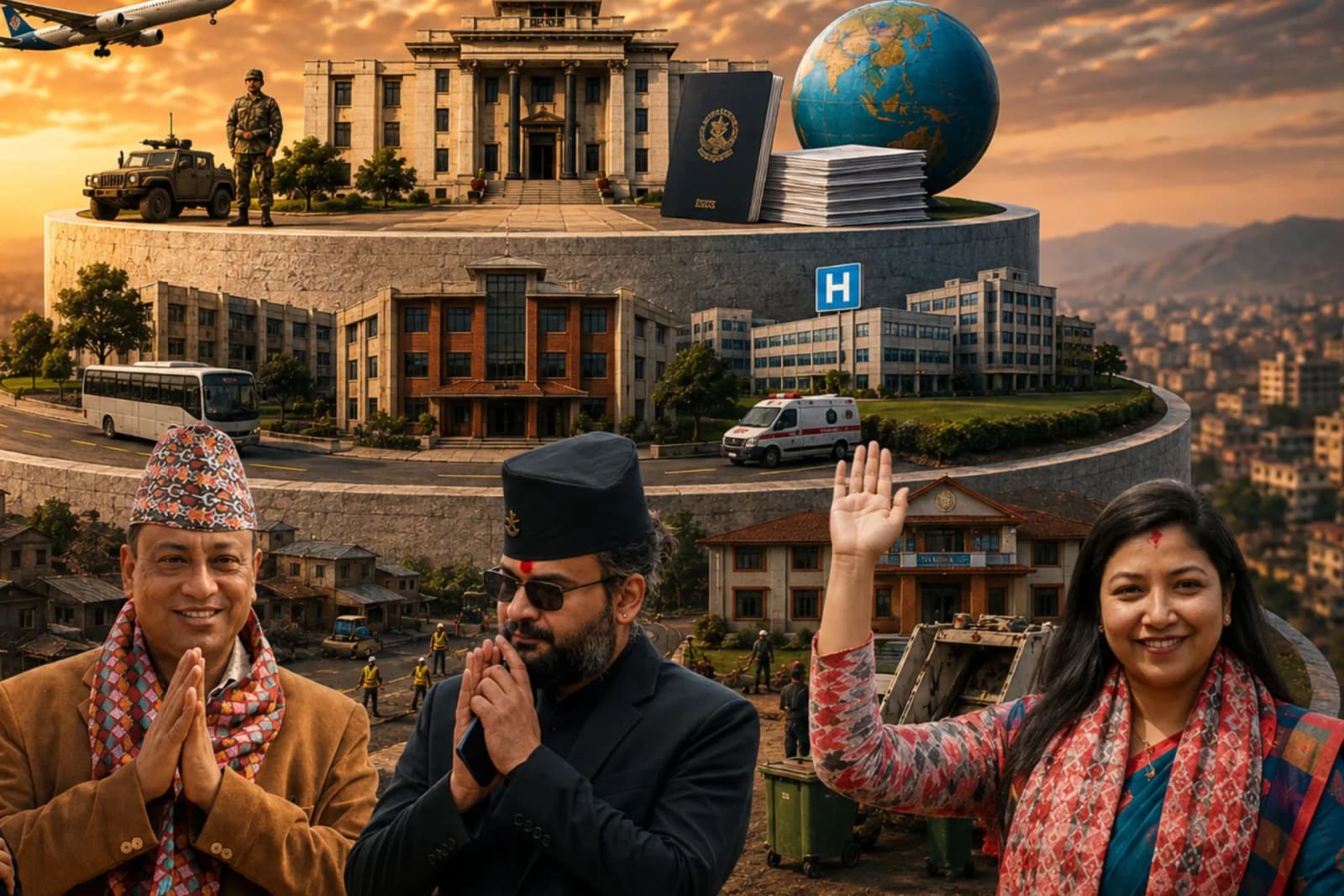
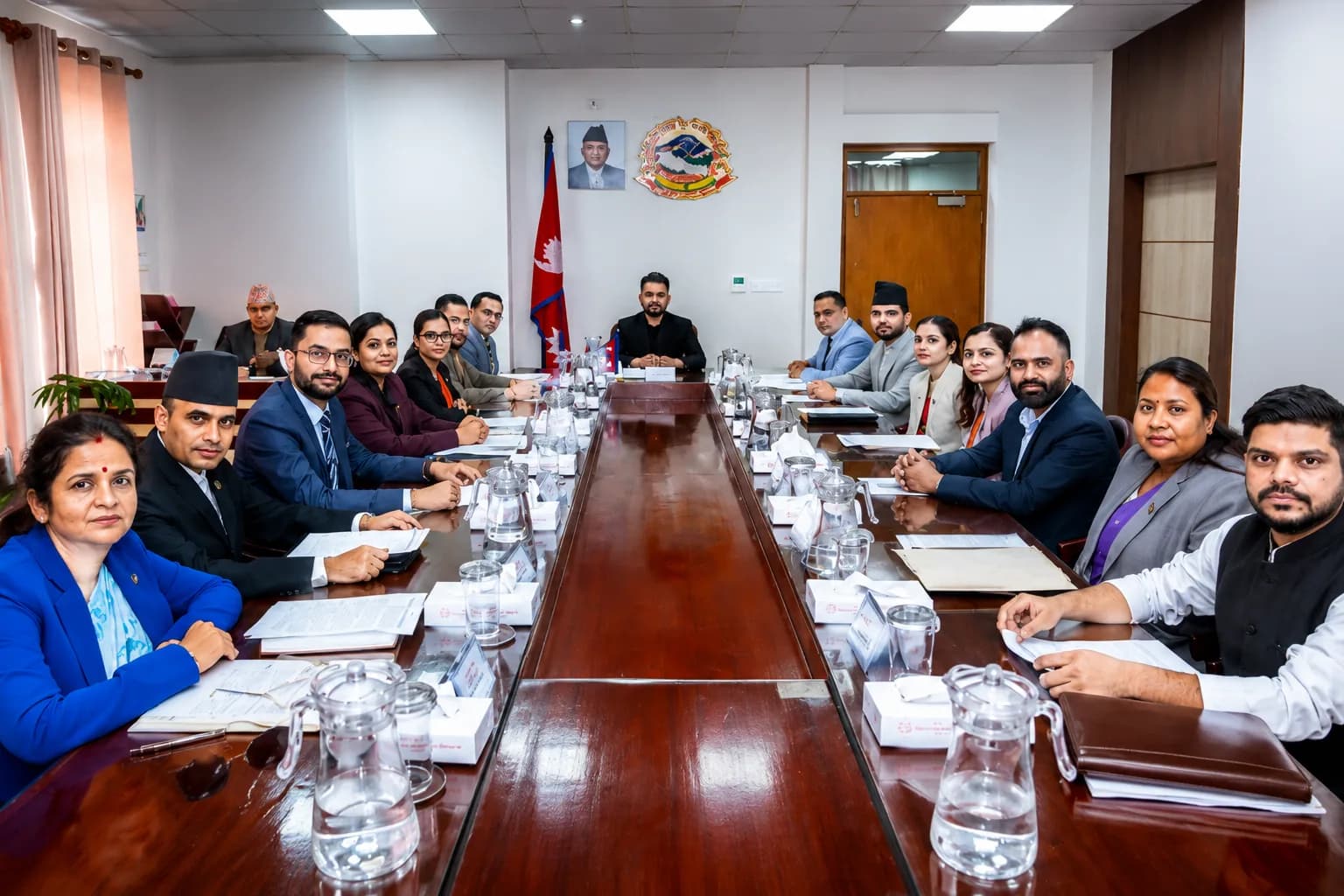
Prime Minister Balendra Shah’s government has completed six months in office, after beginning its term with a 100-point governance reform agenda covering administration, corruption control, public services, laws and the economy. At its first 100-day review, the government claimed 87.2% overall progress and said 70 of the 100 agenda items had been implemented, but six months into the term, several promised legal and institutional reforms remain unfinished.

Sep 28
Balen Government Completes Six Months

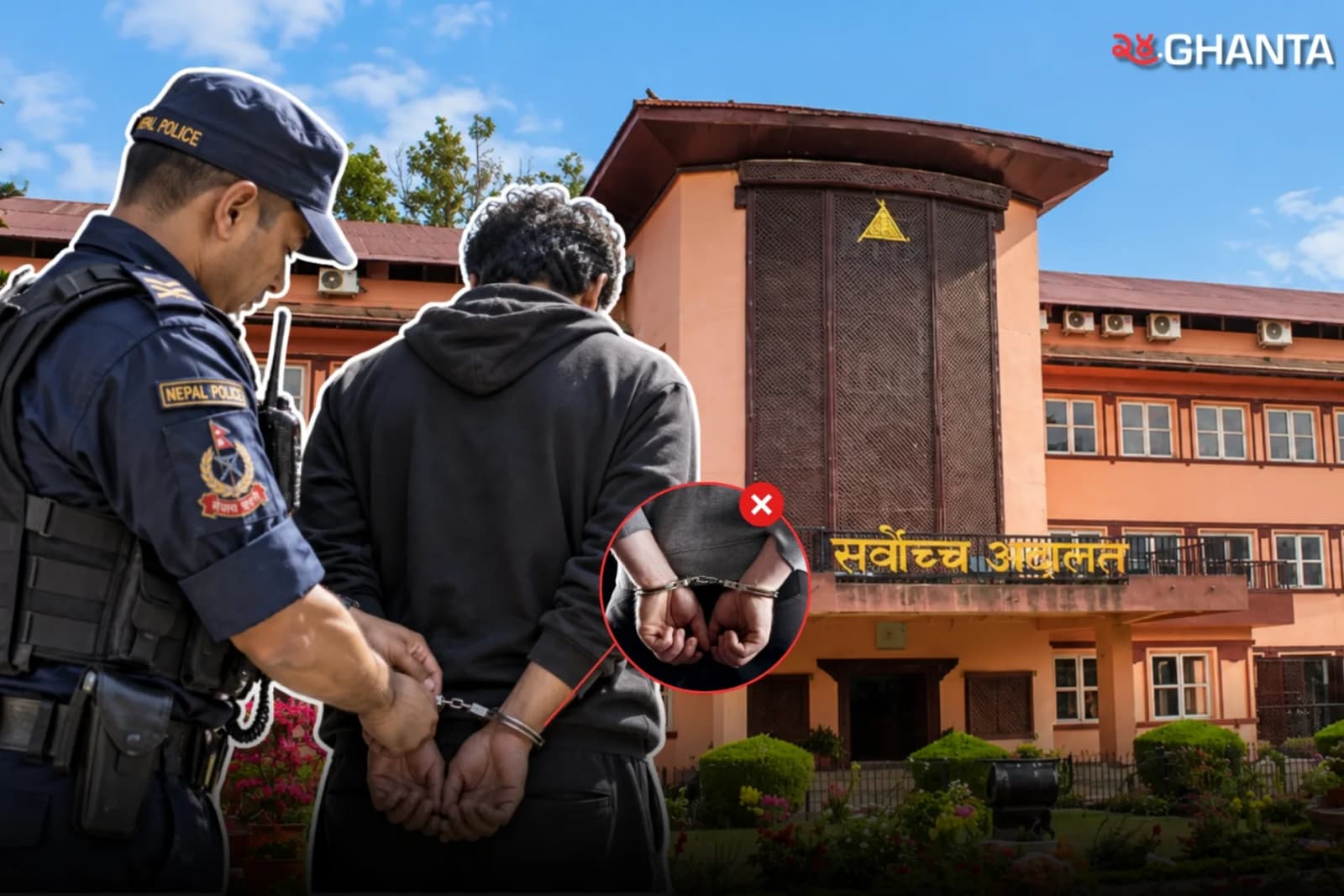
Arrest Does Not Mean Handcuffs: Supreme Court Sets Limits for Nepal Police

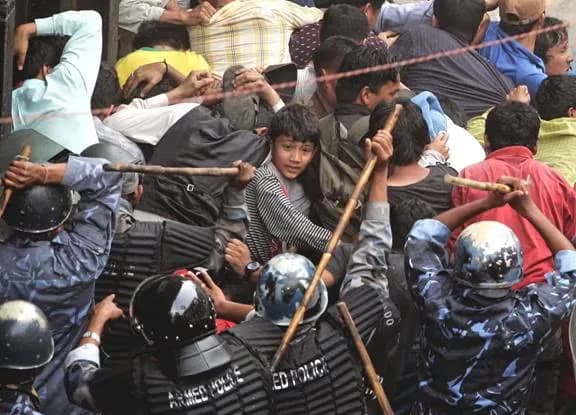
The Supreme Court has ordered Nepal Police to stop routinely handcuffing every person arrested for investigation, ruling that restraints should be used only after an objective assessment finds a genuine risk of escape, violent resistance, or harm to the arrested person or others. The interim order, issued by a joint bench of Justices Nahakul Subedi and Shanti Singh Thapa, also requires police to record why handcuffs were considered necessary in each case.

Sep 22
Court Limits Routine Police Handcuffing

Porn Addiction in Teenagers: What Global Research Reveals, and Why Nepal's Story Is Different

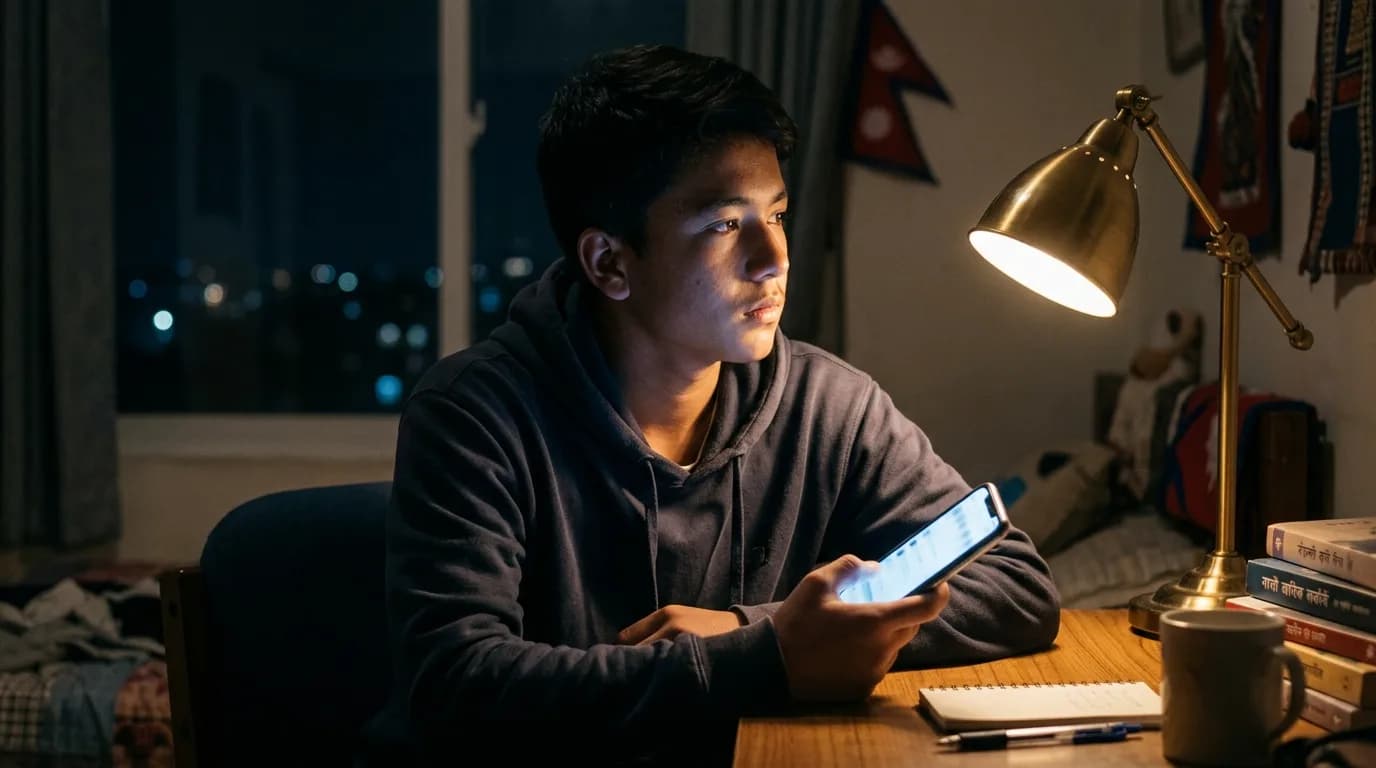
Teen pornography exposure is rising in Nepal despite the country’s 2018 ban. Studies suggest more than half of Nepali adolescents and young people have viewed porn, while a smaller group show signs of problematic use. Experts and research point to early exposure, weak sexuality education, limited parent-child conversations, and growing online risks such as sextortion and image abuse.

Sep 18
Teen Porn Addiction in Nepal

One Year Ago, Nepal Turned to Sushila Karki After Gen Z Protests Changed the Country

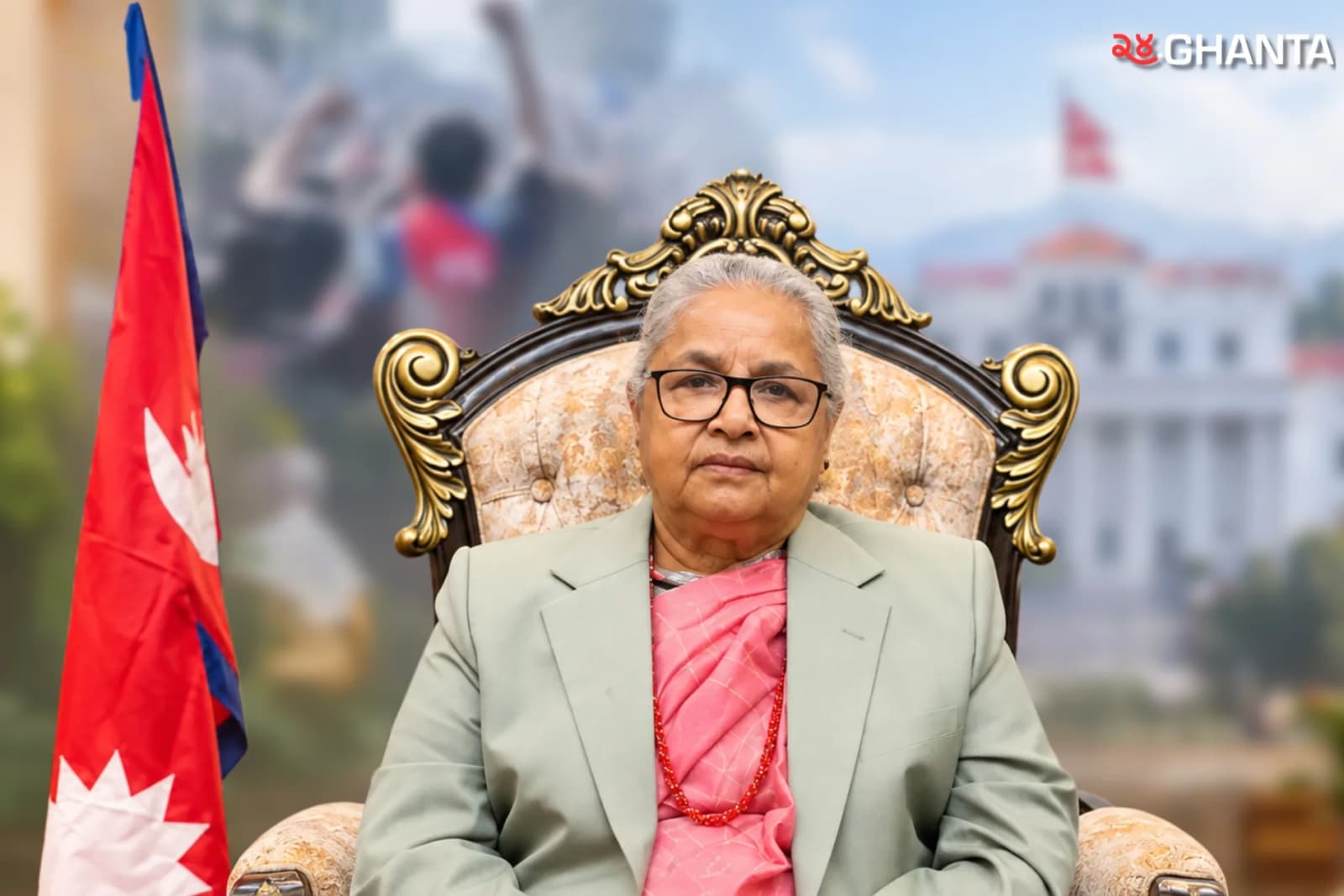
One year ago, on September 12, 2025, former Chief Justice Sushila Karki was sworn in as Nepal’s first woman Prime Minister, taking charge of an interim government after the Gen Z movement, deadly unrest and the resignation of KP Sharma Oli pushed the country into an extraordinary political crisis. Karki, already known as Nepal’s first female Chief Justice and for her strong anti-corruption image, was given the immediate responsibility of restoring stability and taking the country toward a new House of Representatives election within six months.

Sep 13
Gen Z Changed Nepal’s Leadership

Supreme Court Clarifies: An Intact Hymen Does Not Mean a Minor Was Not Raped

Nepal’s Supreme Court has ruled that an intact hymen cannot by itself be used to conclude that a minor was not raped, explaining that even partial penetration or legally sufficient sexual contact can establish the offence under the law applicable to the case. The ruling came in the case of Sanjay Mukhiya Bin, whose rape conviction involving his eight-year-old stepsister was upheld, although the Court reduced the separate incest-related punishment, bringing his total prison sentence from 20 years to 11 years.

Aug 23
Intact Hymen Does Not Disprove Rape

Nepal Police Seeks Call Interception Power, Raising Fresh Privacy Concerns

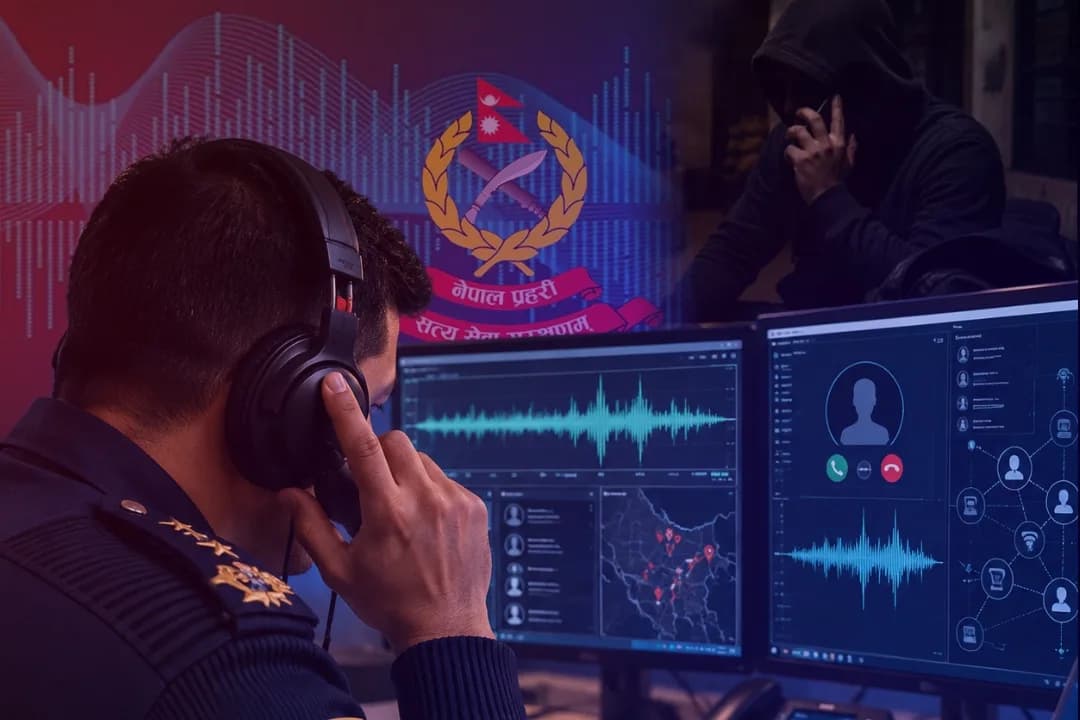
Nepal Police has requested legal powers to intercept telephone calls and digital communications in real time during serious criminal investigations. While police argue the move is necessary to fight technology-based crimes, lawyers and rights advocates warn that such powers could threaten citizens’ constitutional right to privacy without strong safeguards.

Aug 12
Nepal Police Wants Power To Tap Calls

Supreme Court Reopens Congress Power Fight: Is a Party Split Now Less Likely?

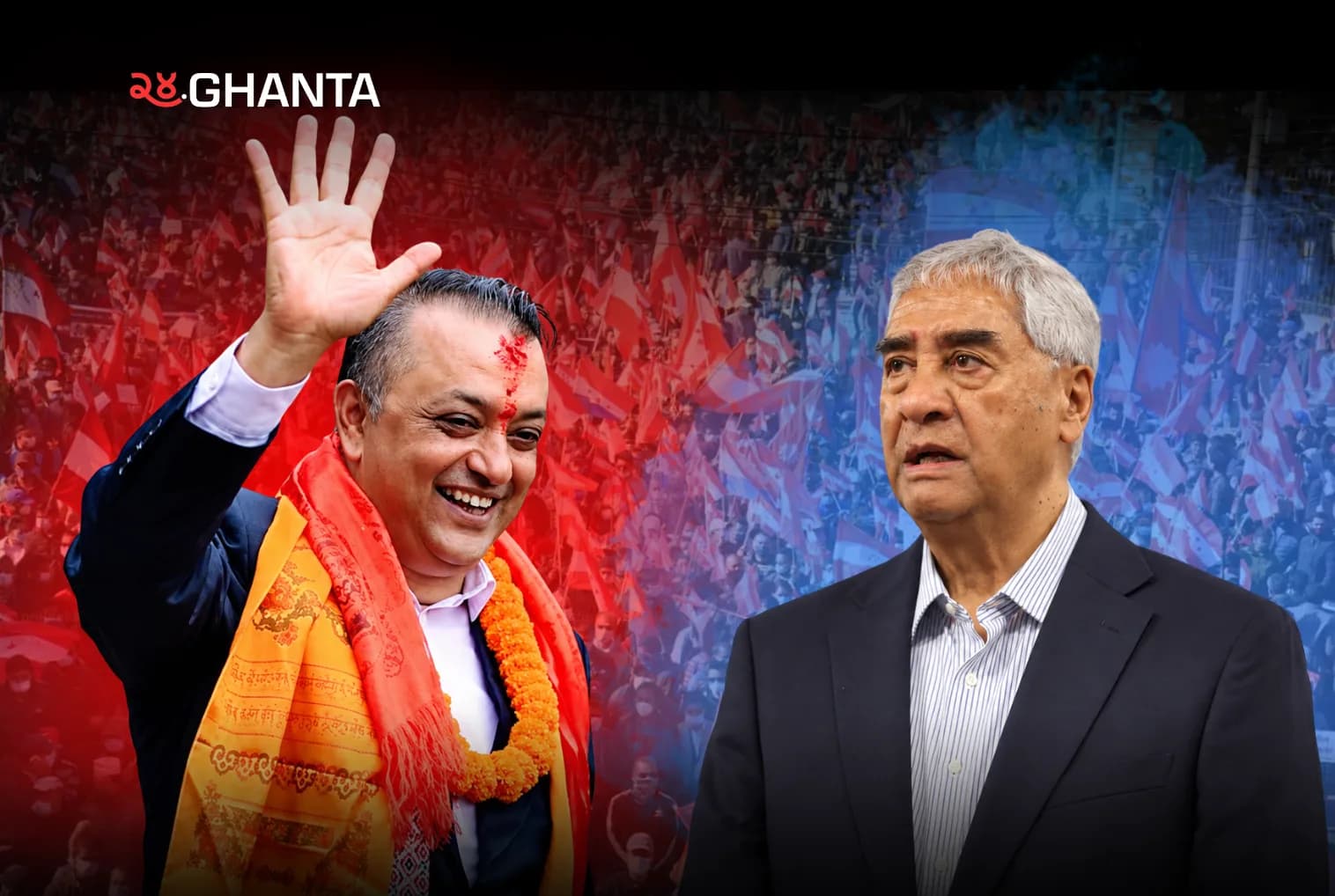
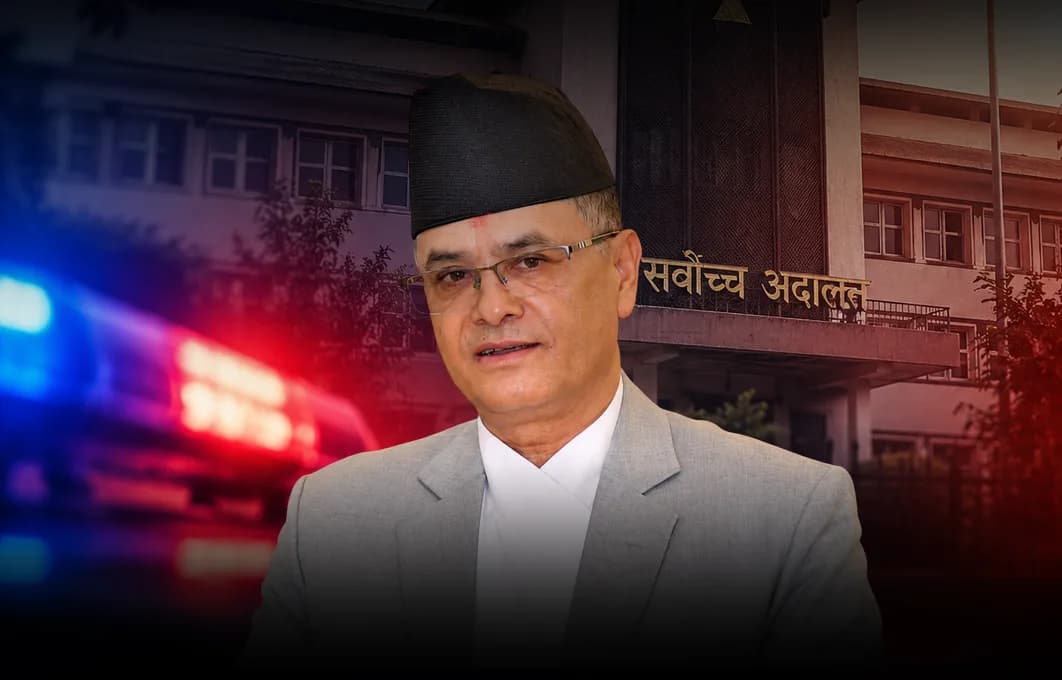
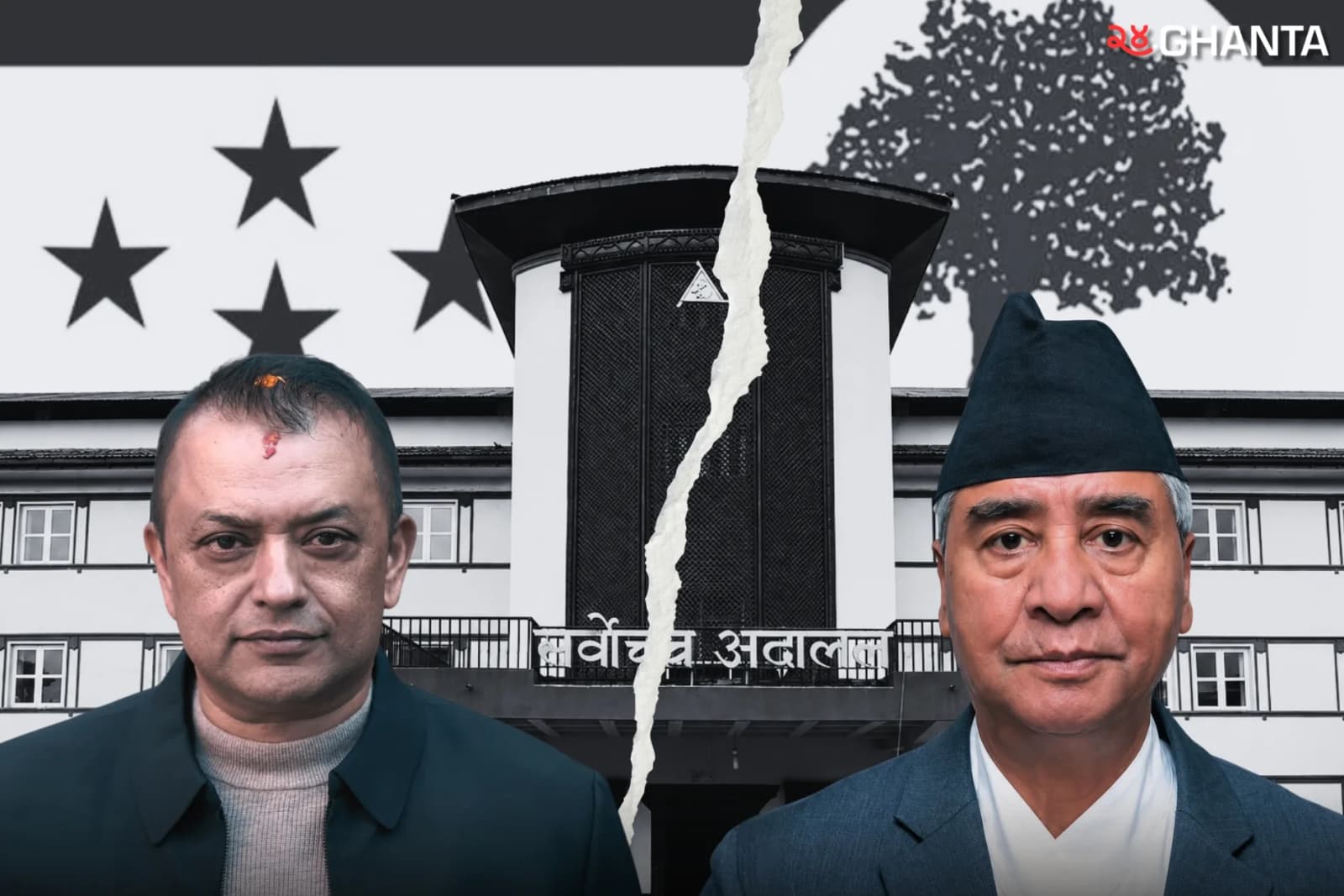
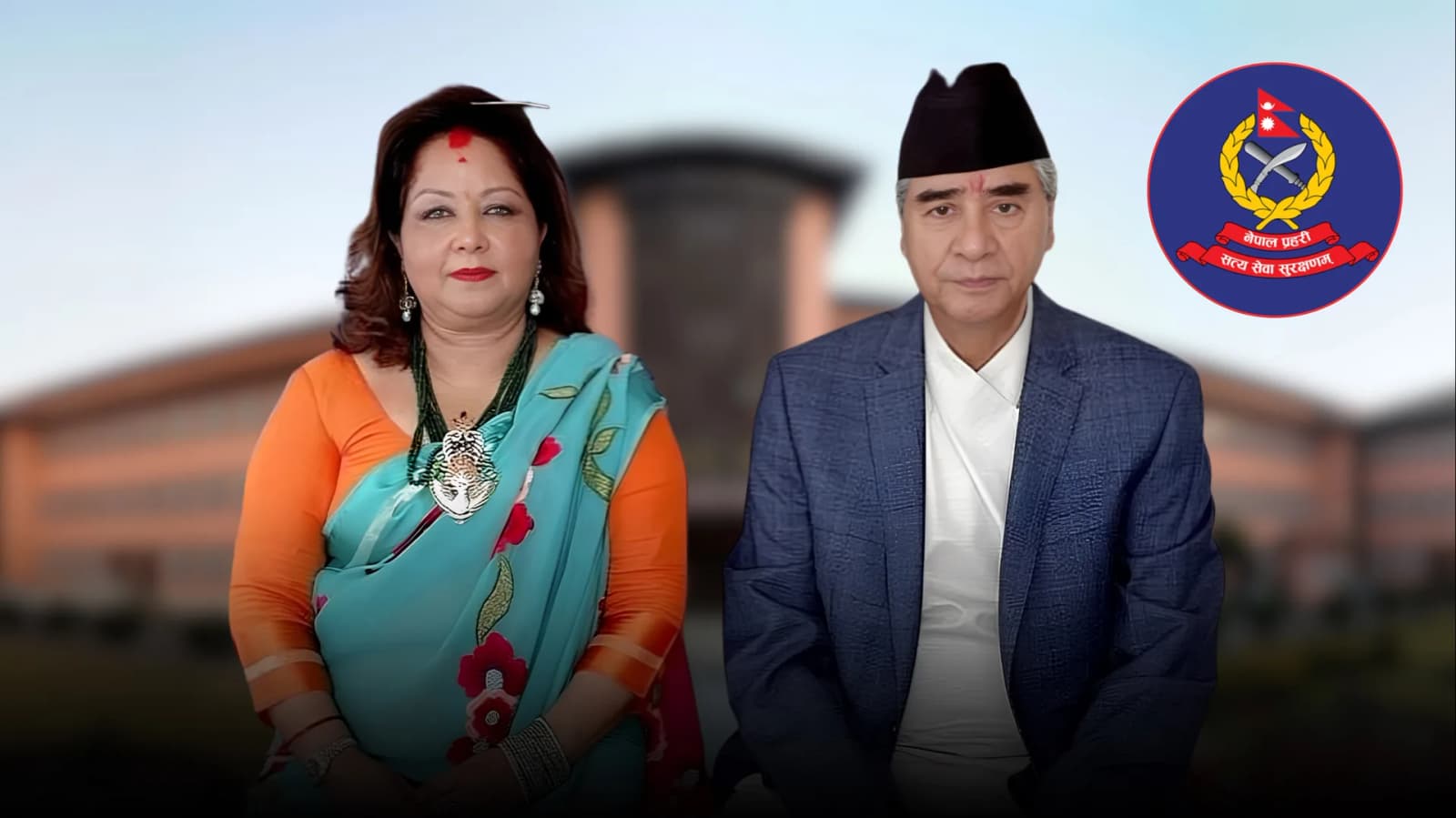
The Supreme Court has reopened the Nepali Congress leadership dispute by allowing Sher Bahadur Deuba and Purna Bahadur Khadka to seek a review of the April 17 ruling that upheld Gagan Thapa’s leadership. Thapa remains the legally recognised party president for now, but the fresh court process has disrupted convention planning and appears to have reduced the immediate possibility of the Deuba camp breaking away to form another party.

Aug 7
Court Reopens Congress Leadership Battle

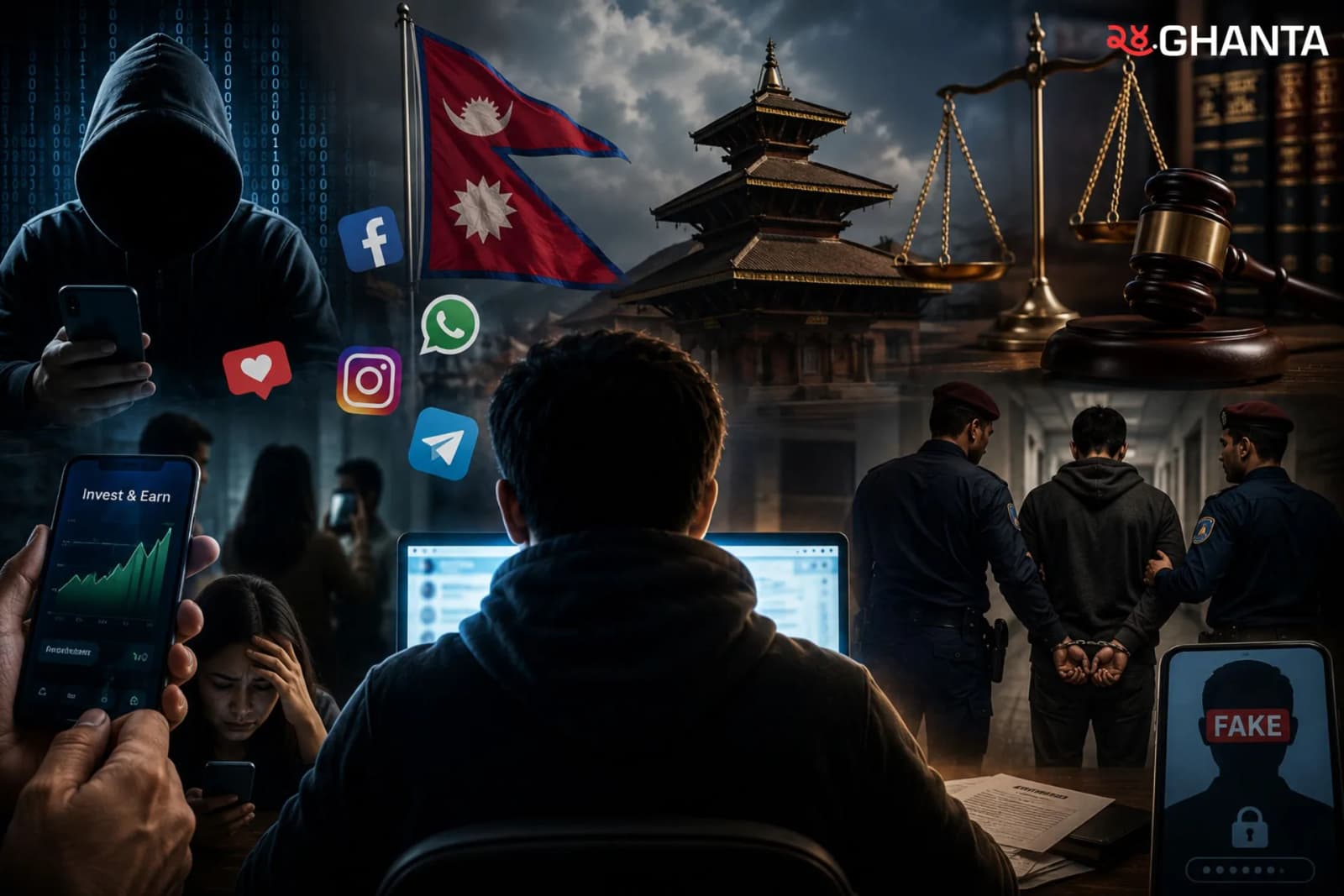
Nepal’s Cybercrime and Social Media Laws: Tested Against Real Cases

As social media becomes a bigger part of everyday life, Nepal faces the challenge of protecting free expression while addressing cybercrime. This article examines how laws on hacking, online fraud, defamation, and privacy are applied through real cases and what they mean for ordinary internet users.

Jul 31
The image shows how social media misuse, online scams, privacy violations, and hacking can lead to police investigations and legal consequences in Nepal

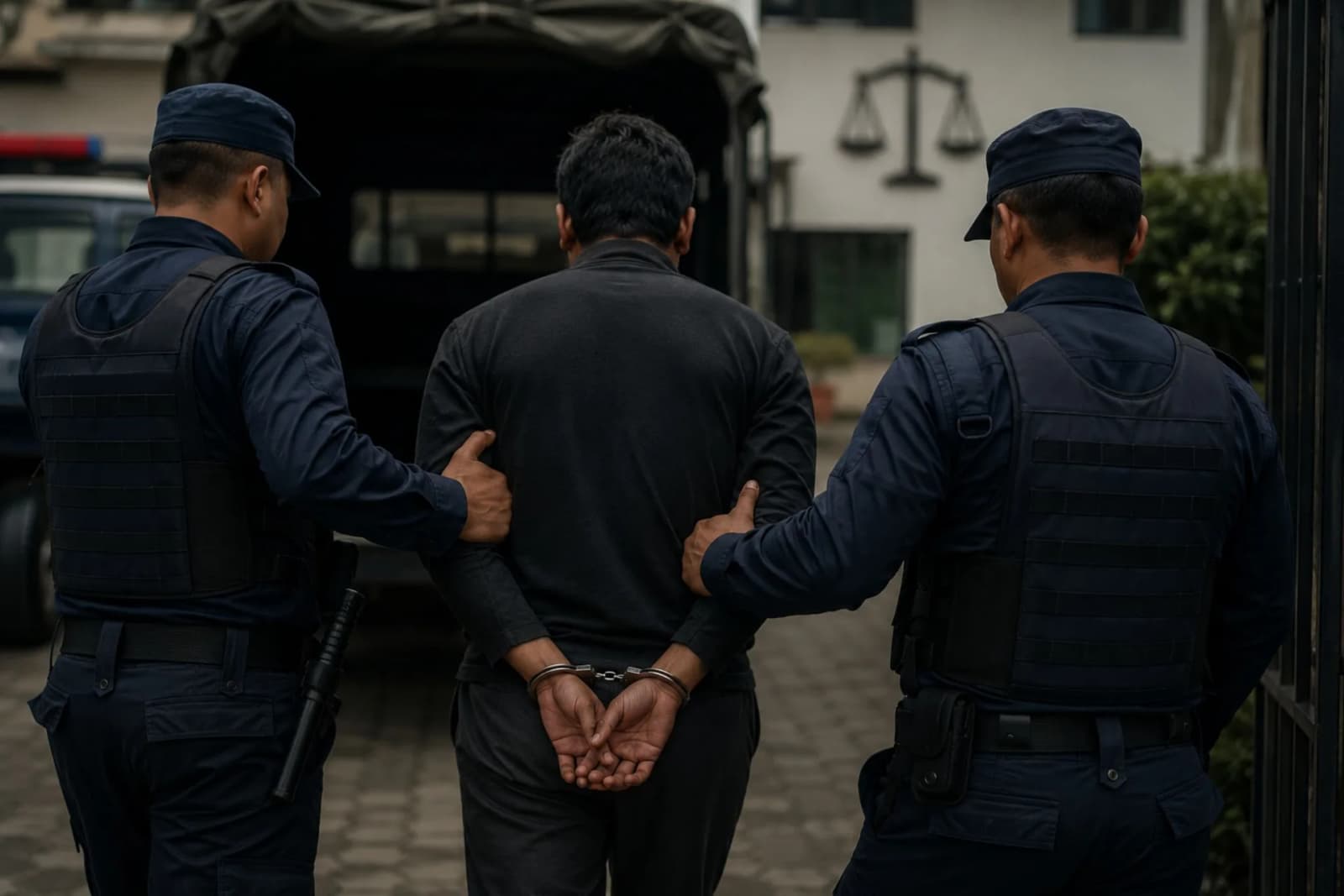
Arrested In Nepal: Know What Police Can And Cannot Legally Do

Being arrested in Nepal does not mean losing your rights or being found guilty. Police must have a lawful reason, explain the arrest, allow access to a lawyer, present the detainee before a judicial authority within 24 hours, and protect them from torture or unlawful detention.

Jul 19
Police escort a handcuffed suspect during an arrest, highlighting the legal procedures and rights guaranteed to every detainee.

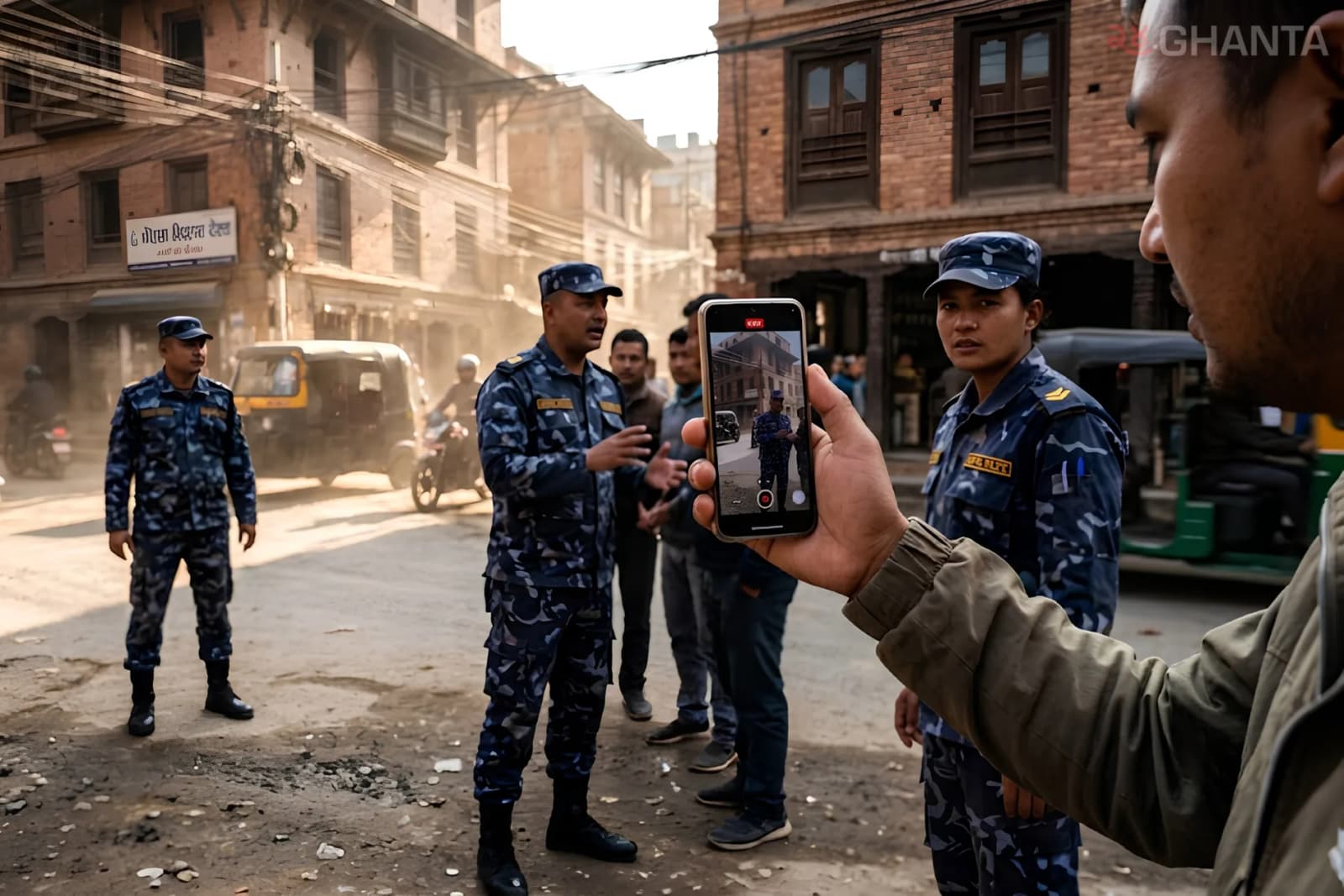
Can Citizens Legally Record Police Officers in Nepal? Constitution and Existing Laws Explained

A legal discussion published by law student Bibek Chaudhary examines whether citizens in Nepal have the constitutional right to record police officers performing official duties in public places. The analysis concludes that no existing law explicitly prohibits such recordings and argues that they are protected under the rights to freedom of expression and access to information.

Jul 15
Can Citizens Legally Record Police Officers in Nepal? Constitution and Existing Laws Explained

Nepal Sent Kids To War; One Never Forgets

In 2002, Maoist guerrillas walked into a school in Kavre and recruited 12 year old Lenin Bista training him to make bombs, spy on army bases, and fight a war where two of his classmates died beside him. Twenty years later, after being labelled disqualified, paid just Rs 10,000 and jailed for his activism, Nepal's Supreme Court finally declared what was done to him and 4,000 other children a heinous war crime.

Jun 17
The Maoists’ Use Of Child Soldiers In Nepal