24 Ghanta

Search

21 results for "Analysis"

Bought It Online, But Who Is Responsible? What Nepal’s E-Commerce Law Means for You

Nepal’s Electronic Commerce Act, 2081 (2025) gives online shoppers clearer rights when products differ from what sellers advertised. Buyers may return goods that do not match their description and can receive a refund if they do not want a replacement. The law also sets responsibilities for sellers and platforms covering product information, delivery, complaints, returns, and misleading practices.

6 days ago
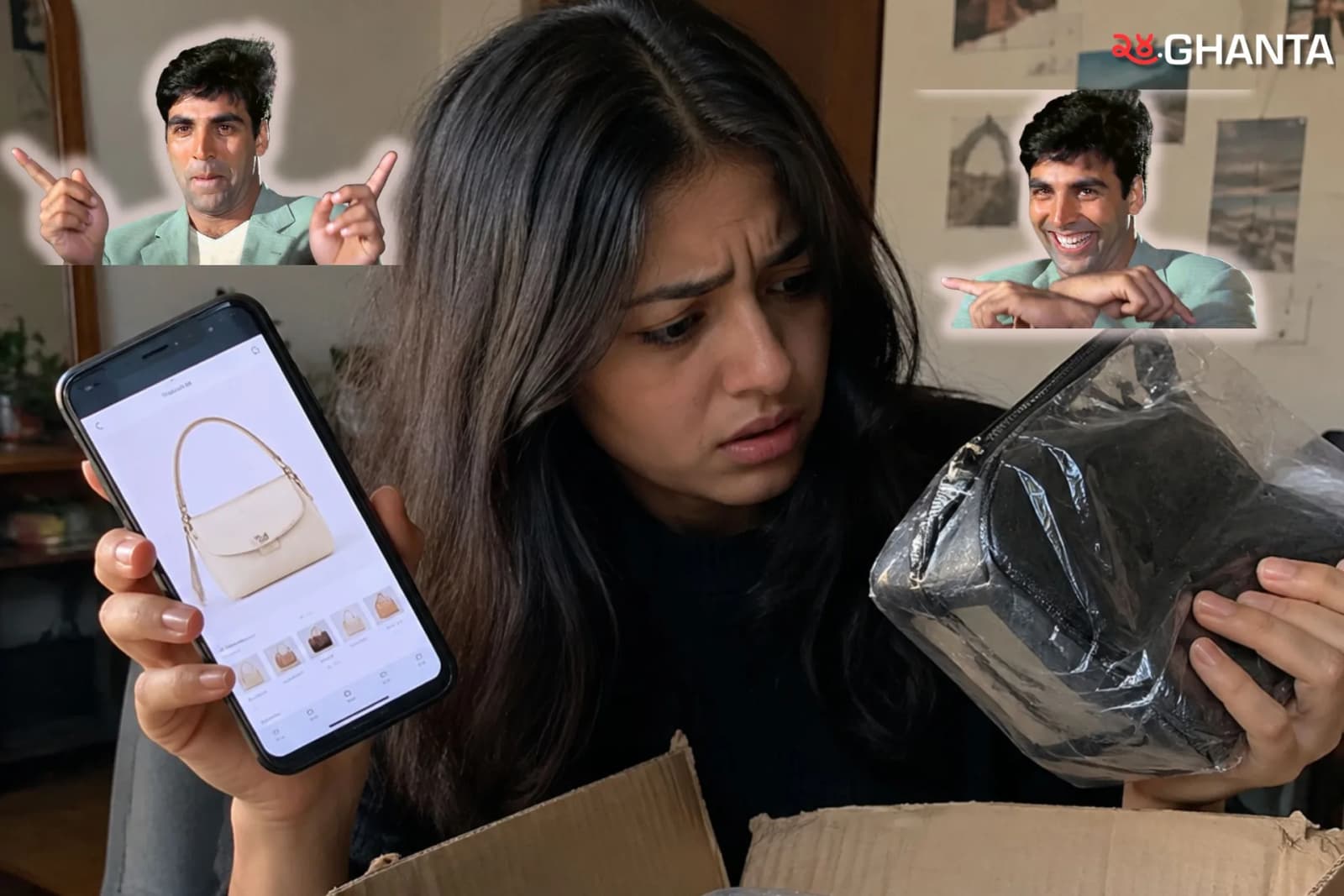
The product received after an online order looks noticeably different from what was advertised, highlighting a common problem faced by digital shoppers.

Why Do We Feel So Lonely When We’re More Connected Than Ever?

Loneliness can exist even when we are constantly connected through phones, social media, and crowded communities. Research suggests meaningful relationships depend less on how many people we contact and more on genuine interaction, presence, and a sense of belonging. Regular face to face activities, shared routines, and honest conversations can help turn everyday contact into deeper connections.

Sep 28
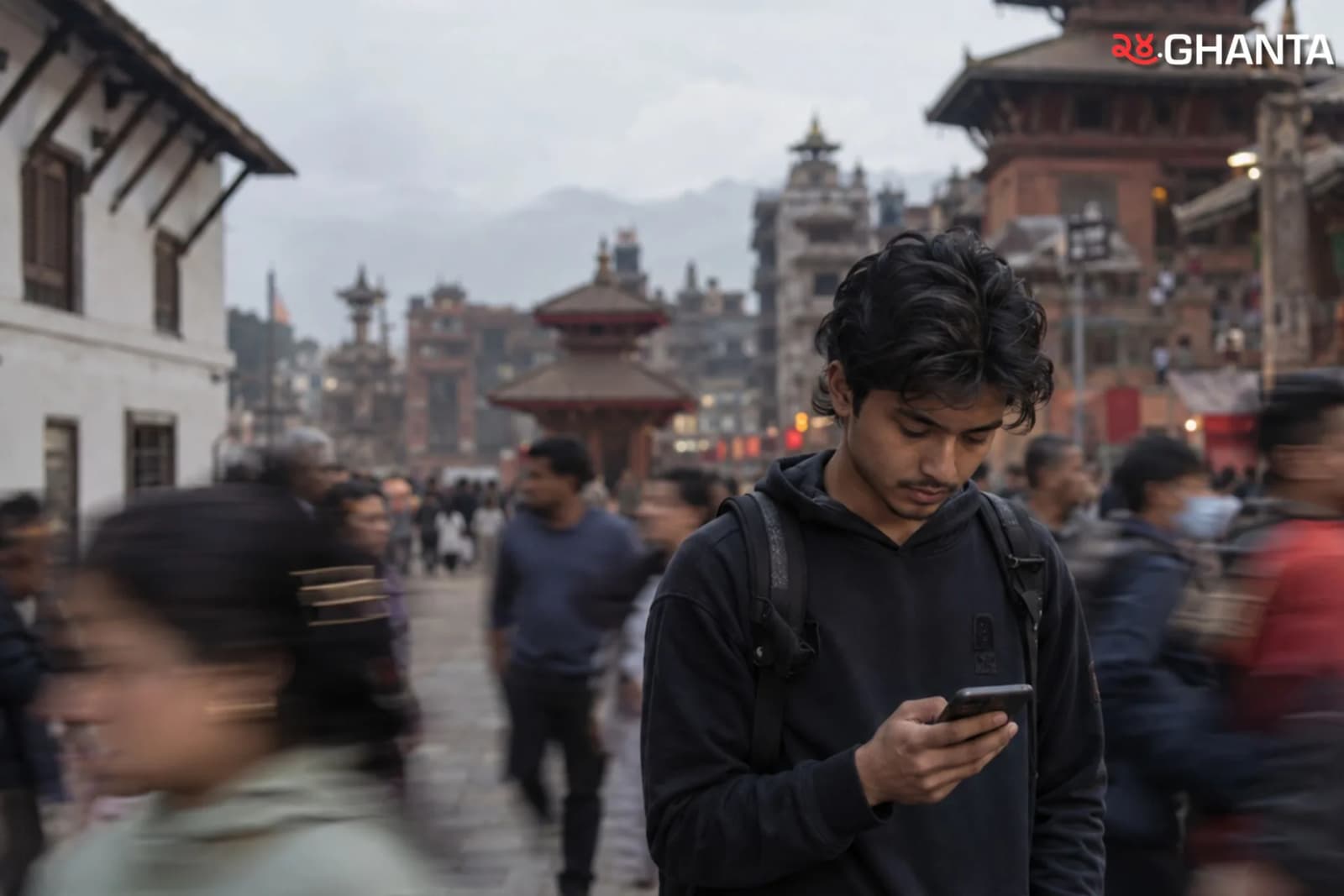
Even when surrounded by people and constantly connected online, a person can still feel deeply alone without meaningful human connection.

Porn Addiction in Teenagers: What Global Research Reveals, and Why Nepal's Story Is Different

Teen pornography exposure is rising in Nepal despite the country’s 2018 ban. Studies suggest more than half of Nepali adolescents and young people have viewed porn, while a smaller group show signs of problematic use. Experts and research point to early exposure, weak sexuality education, limited parent-child conversations, and growing online risks such as sextortion and image abuse.

Sep 18
Teen Porn Addiction in Nepal

Nepal And Japan: Two Nations Shaped By Difficult Geography, Two Tragedies That Entered History

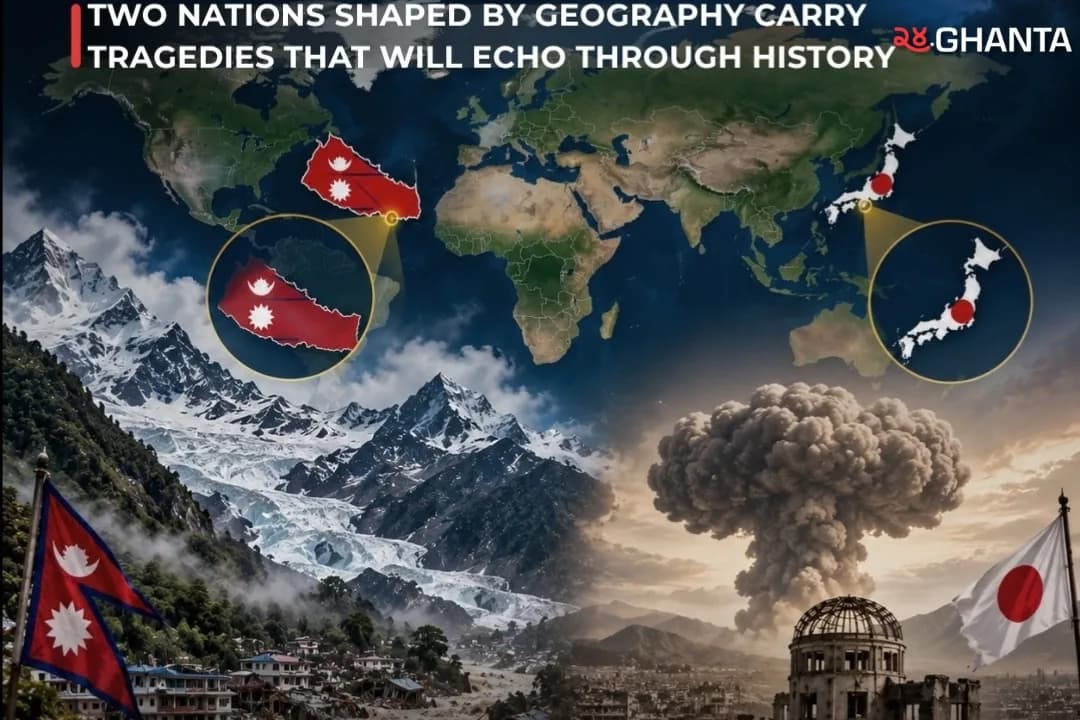
Nepal and Japan face very different but serious geographical risks. Japan is exposed to earthquakes, tsunamis and volcanoes, while Nepal faces landslides, glacial floods and extreme weather. After the August 26 Rasuwa disaster, TU expert Dr. Basanta Raj Adhikari estimated its gravitational energy exceeded that of the Hiroshima atomic bomb. The disaster has so far killed 1,357 people, with 5,326 still missing.

Sep 8
Nepal And Japan: How Geography Shaped Rasuwa And Japan’s Historic Tragedies

After Nepal’s Deadly Floods: How Nepali and Foreign Victims Are Identified and How Families Can Get Their Loved Ones Back

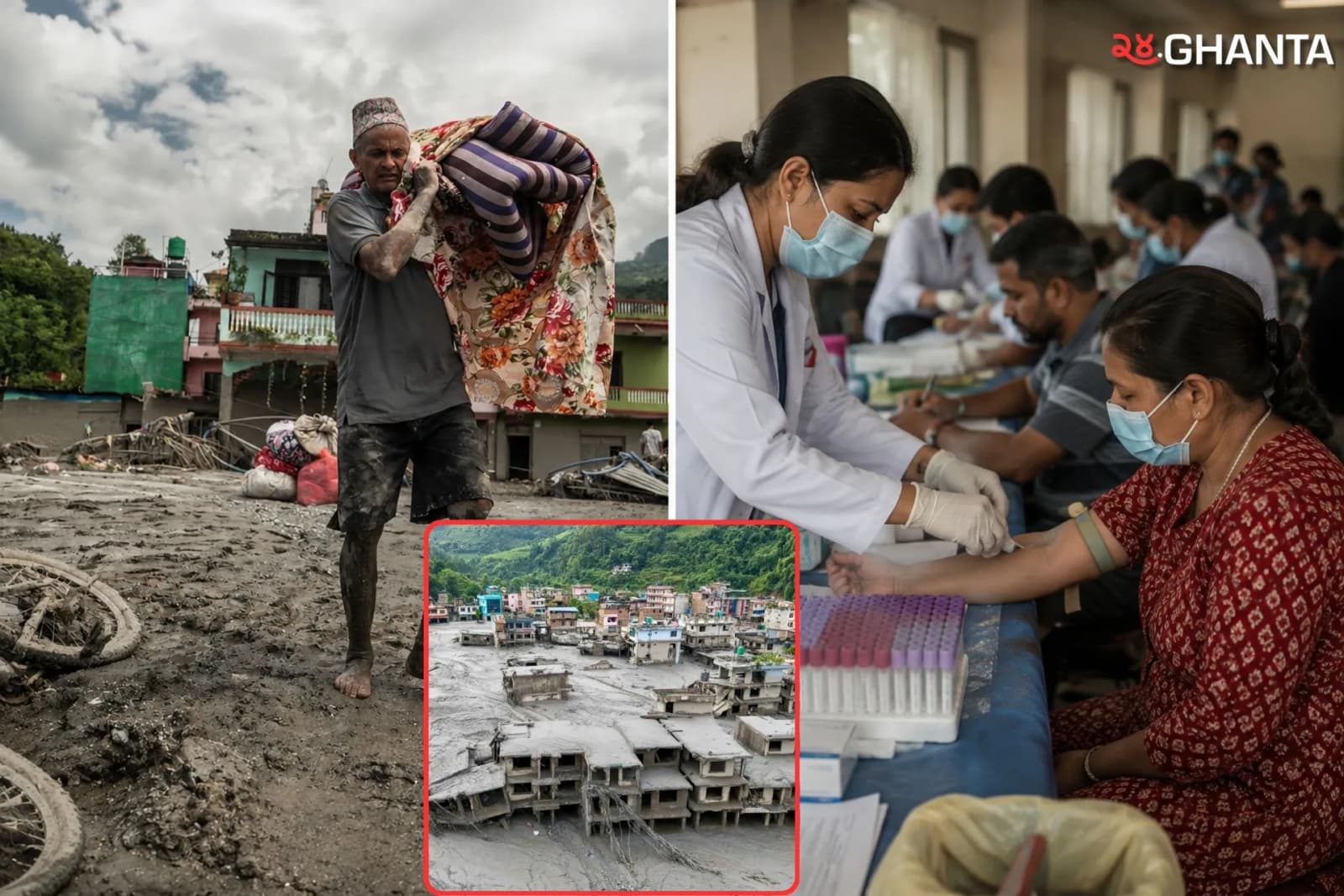
Nepali and foreign victims who cannot be recognized after the Bhote Koshi flood may still be identified through photographs, fingerprints, dental information, personal records and DNA. Even when unidentified remains are temporarily buried, documented reference numbers, forensic evidence and recorded burial locations can allow authorities to identify and return them to families later. For foreign victims, formal identification is followed by ID verification, embassy coordination and repatriation so their remains can be returned home.

Sep 3
A flood survivor walks through the devastation as families provide DNA samples to help identify missing loved ones

Before the Flood Arrived: What Did Nepal Know And When?

Nepal's official timeline shows that authorities began receiving information about the devastating Rasuwa flood around 9 AM, with mass SMS warnings following shortly afterward. While communities farther downstream potentially had more time to react, those near the Tibet border faced a much shorter warning window. The key unanswered question is whether information from upstream could have reached Nepal earlier and provided more time to save lives.

Aug 28
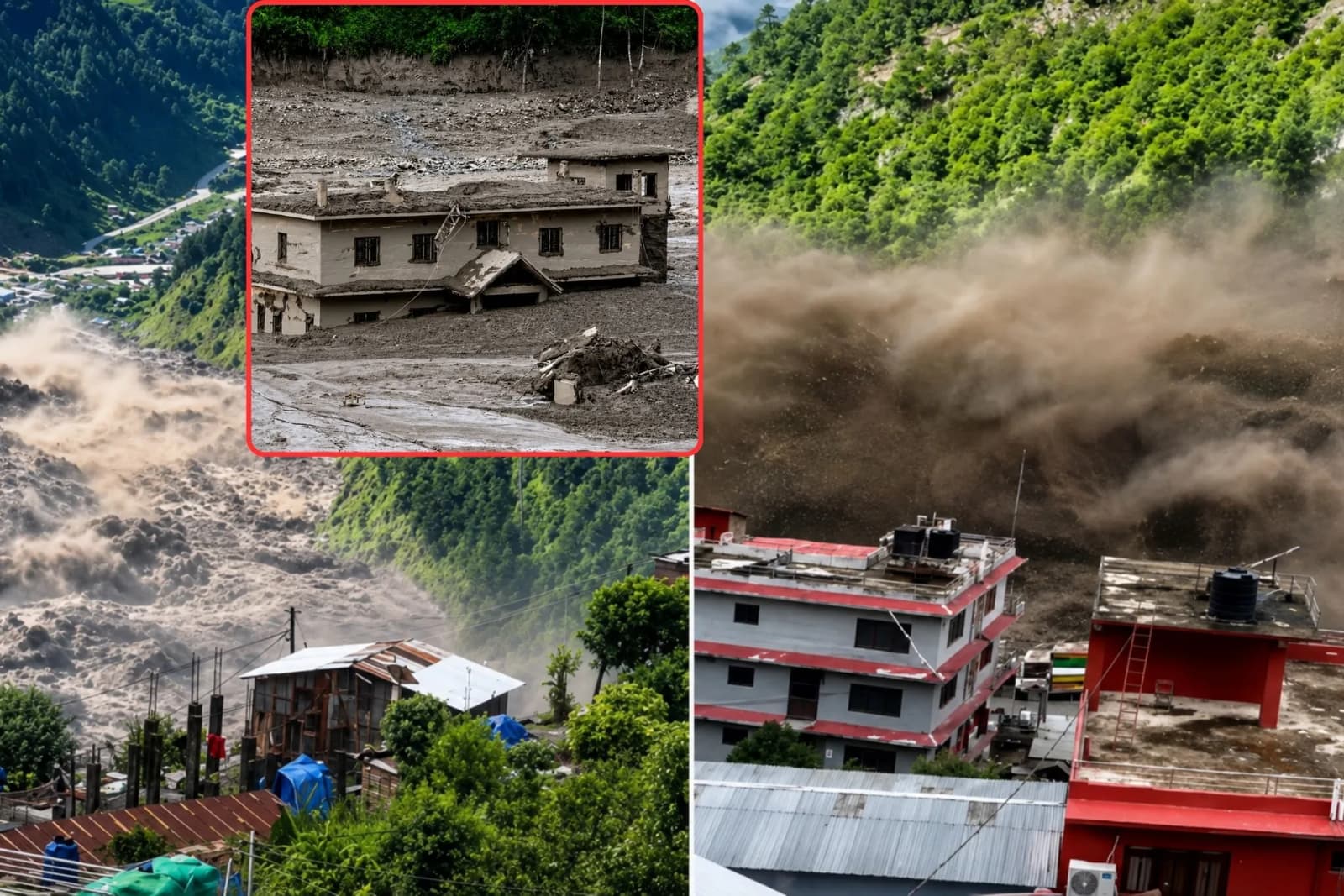
A massive surge of mud, rocks, and debris rushes through a mountain valley toward settlements and homes in its path.

China Rejects Blame Over Rasuwa-Kerung Disaster As Questions Grow Over Warning And Cause

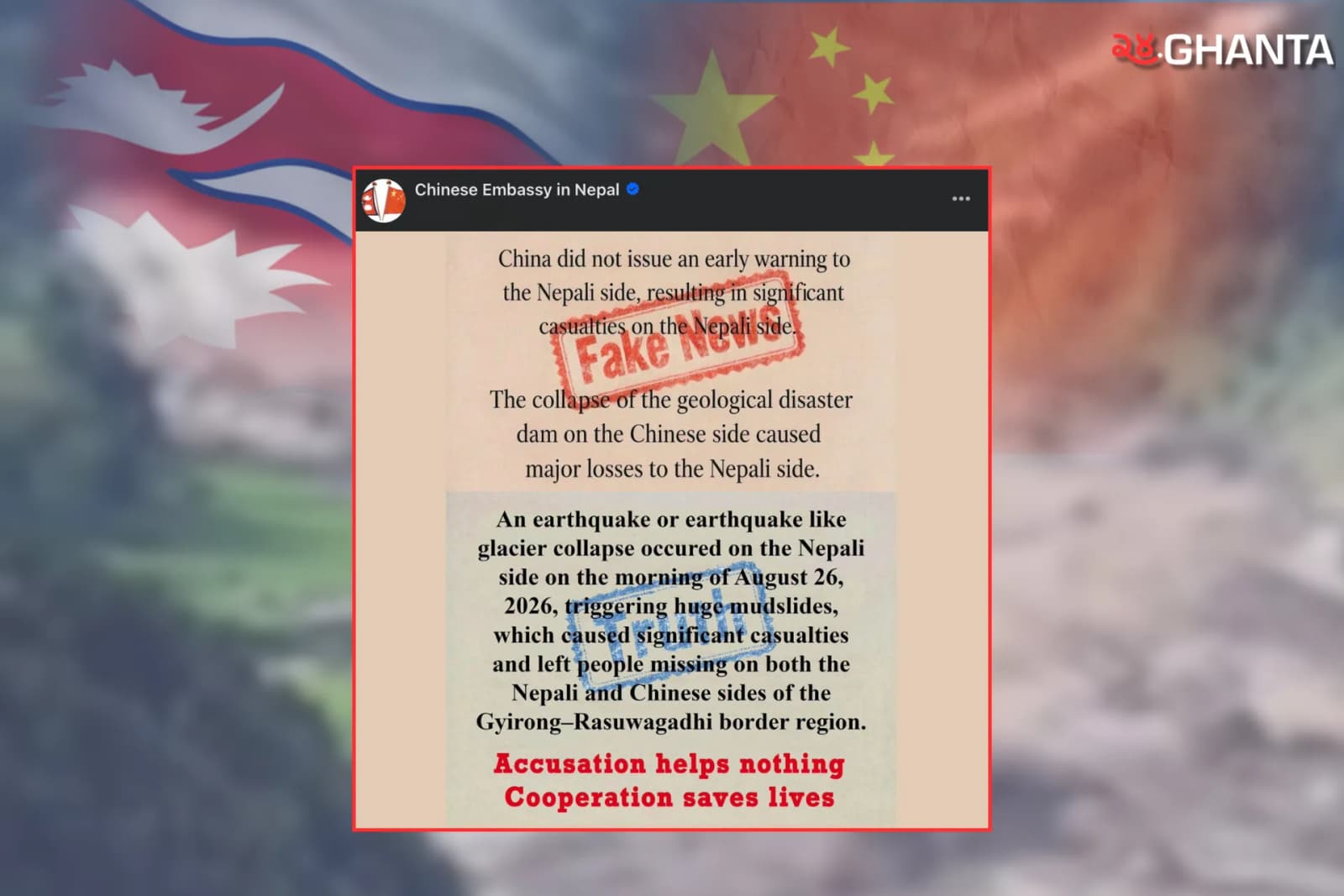
The Chinese Embassy in Nepal has rejected accusations that China failed to warn Nepal before the deadly Rasuwa-Kerung disaster and denied that the flood resulted from the failure of a geological-disaster dam on the Chinese side. However, newer scientific evidence points to a major glacial rock-and-ice collapse, debris flow and temporary upstream river blockage, leaving the exact sequence of events and warning failures under investigation.

Aug 27
China Rejects Rasuwa Flood Blame

Rasuwa Flood: 165 Bodies Recovered, 826 Still Missing As Search Enters Second Day

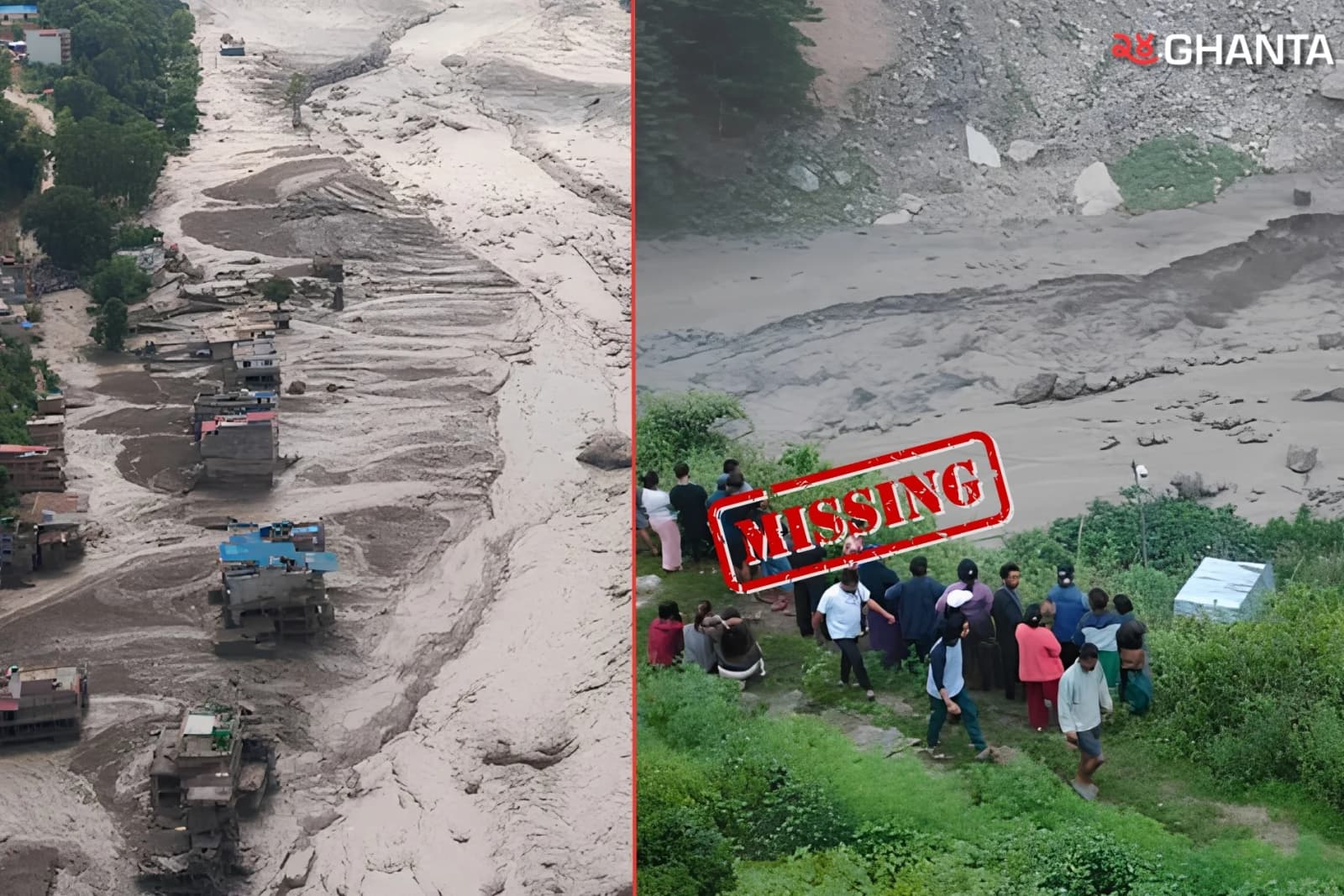
Nepal's Rasuwa flood disaster has left 165 bodies recovered and 826 people missing as of around 8:15 AM Thursday, including 85 security personnel and 579 tourists, while 104 people have been rescued. Search operations continue across the Bhotekoshi-Trishuli-Narayani corridor as authorities work to locate the missing and scientists investigate a major glacial collapse and debris flow believed to have triggered the disaster.

Aug 27
165 Dead, 826 Still Missing

Nepal’s Cybercrime and Social Media Laws: Tested Against Real Cases

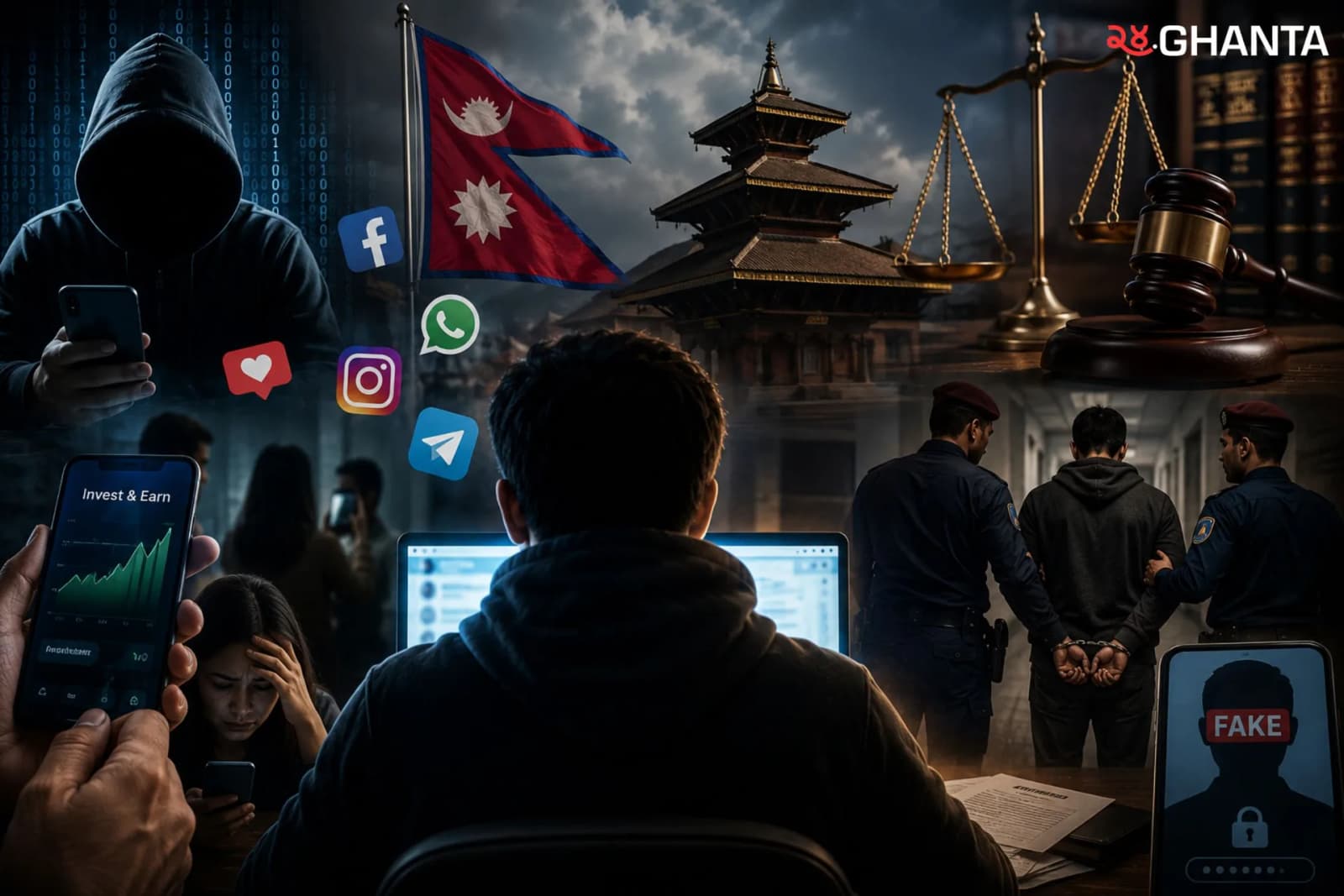
As social media becomes a bigger part of everyday life, Nepal faces the challenge of protecting free expression while addressing cybercrime. This article examines how laws on hacking, online fraud, defamation, and privacy are applied through real cases and what they mean for ordinary internet users.

Jul 31
The image shows how social media misuse, online scams, privacy violations, and hacking can lead to police investigations and legal consequences in Nepal

The Story Behind Nepal's Chuchche Map And The Debate Over Nepal's New Coins

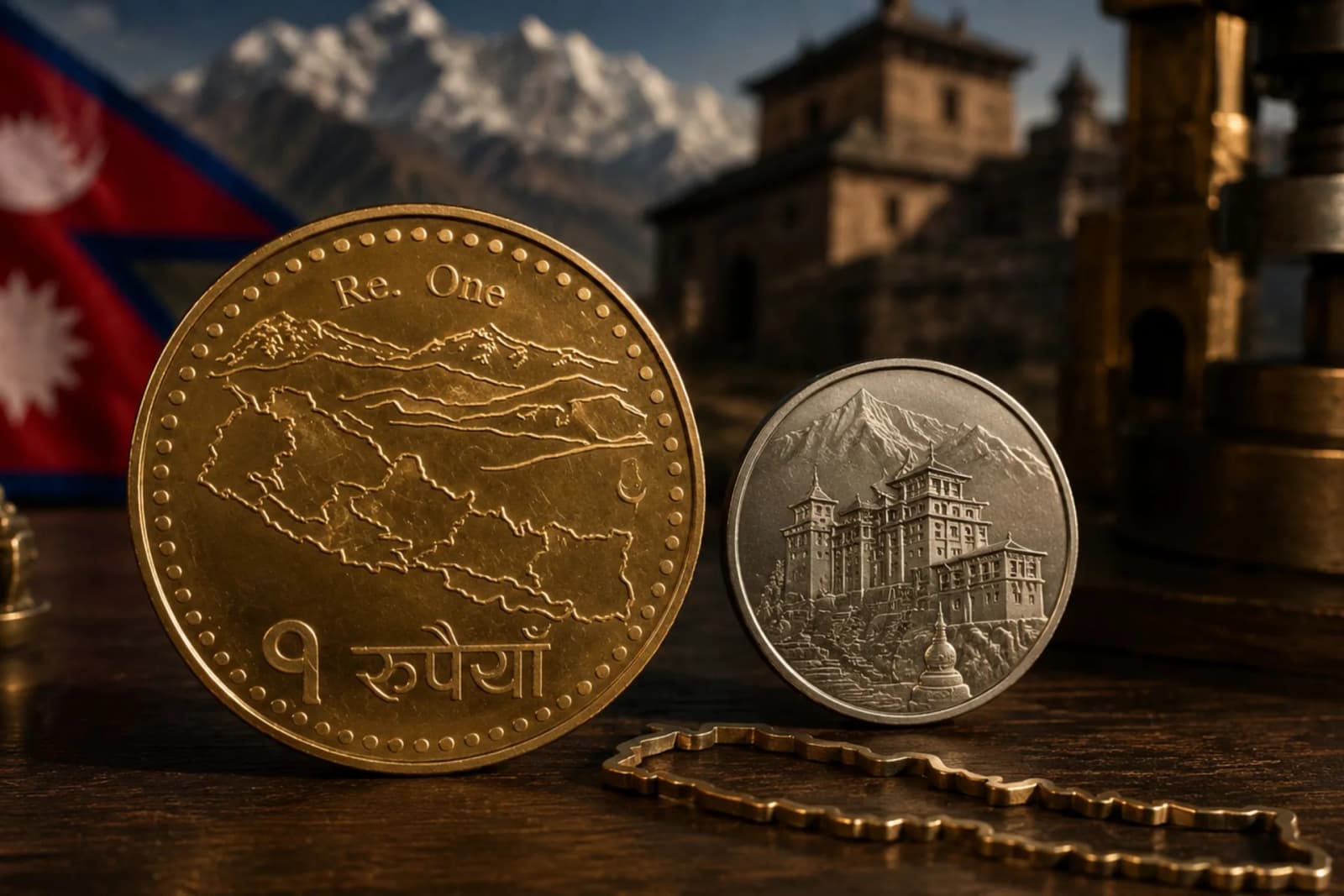
Nepal's Cabinet has approved a redesign of the Re. 1 and Rs. 2 coins, with reports that the Re. 1 coin will feature Lo Ghyakar Monastery instead of the country's map. Critics call it a sidelining of a national symbol, while officials call it a cost-driven technical update. The move has revived debate over how national identity is represented on Nepal's currency.

Jul 22
The image represents Nepal’s current map bearing Re. 1 coin, its proposed monastery based redesign, and the wider debate over cost, heritage and national symbolism.

Four Noodle Batches Recalled: What Consumers Need to Check Before Eating

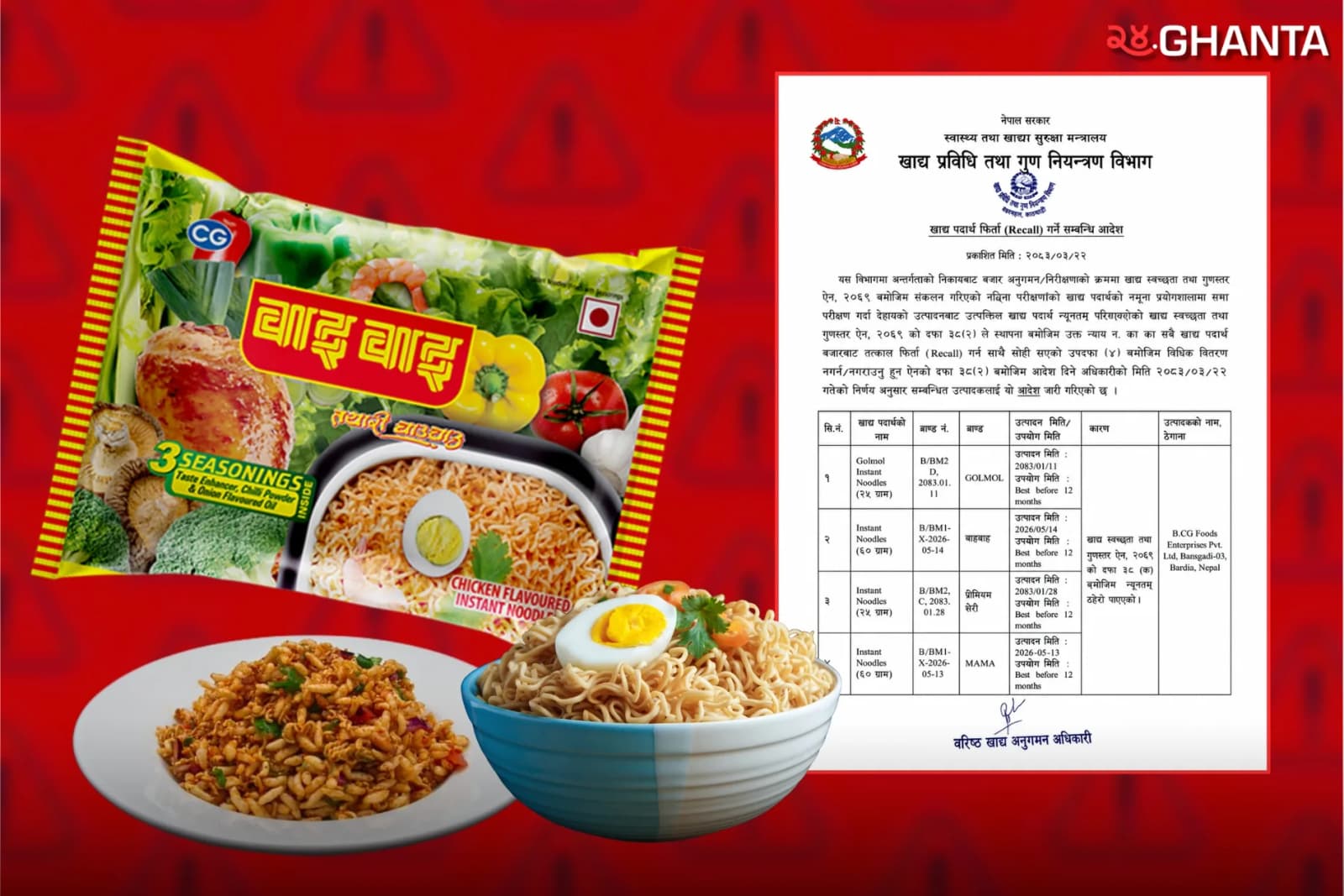
Nepal’s food-safety regulator has ordered the immediate recall of specified batches of Golmol, Wai Wai, Premium Piro and MAMA instant noodles after laboratory testing found that they did not meet required quality standards. The order applies only to the listed batches manufactured at CG Foods Enterprises’ Bansgadhi facility in Bardiya, while sellers and distributors have been instructed to stop their sale and distribution.

Jul 21
Four Noodle Batches Recalled Nationwide

Nepal's Economy In Mid-2026: What The Latest NRB Macroeconomic Update Really Means

Nepal Rastra Bank's latest macroeconomic report paints a picture of an economy that is financially stable but still faces long-term structural challenges. Foreign exchange reserves have reached record levels, remittances continue to grow strongly and inflation remains relatively moderate. At the same time, imports continue to outpace exports, private sector lending remains weak and government capital spending has slowed. This feature explains the latest economic indicators—including inflation, foreign exchange reserves, trade, remittances, banking, interest rates, and government finances in simple language, helping readers understand what the numbers really mean for Nepal's economy and for everyday life.

Jul 15
Nepal's Economy In Mid-2026: What The Latest NRB Macroeconomic Update Really Means

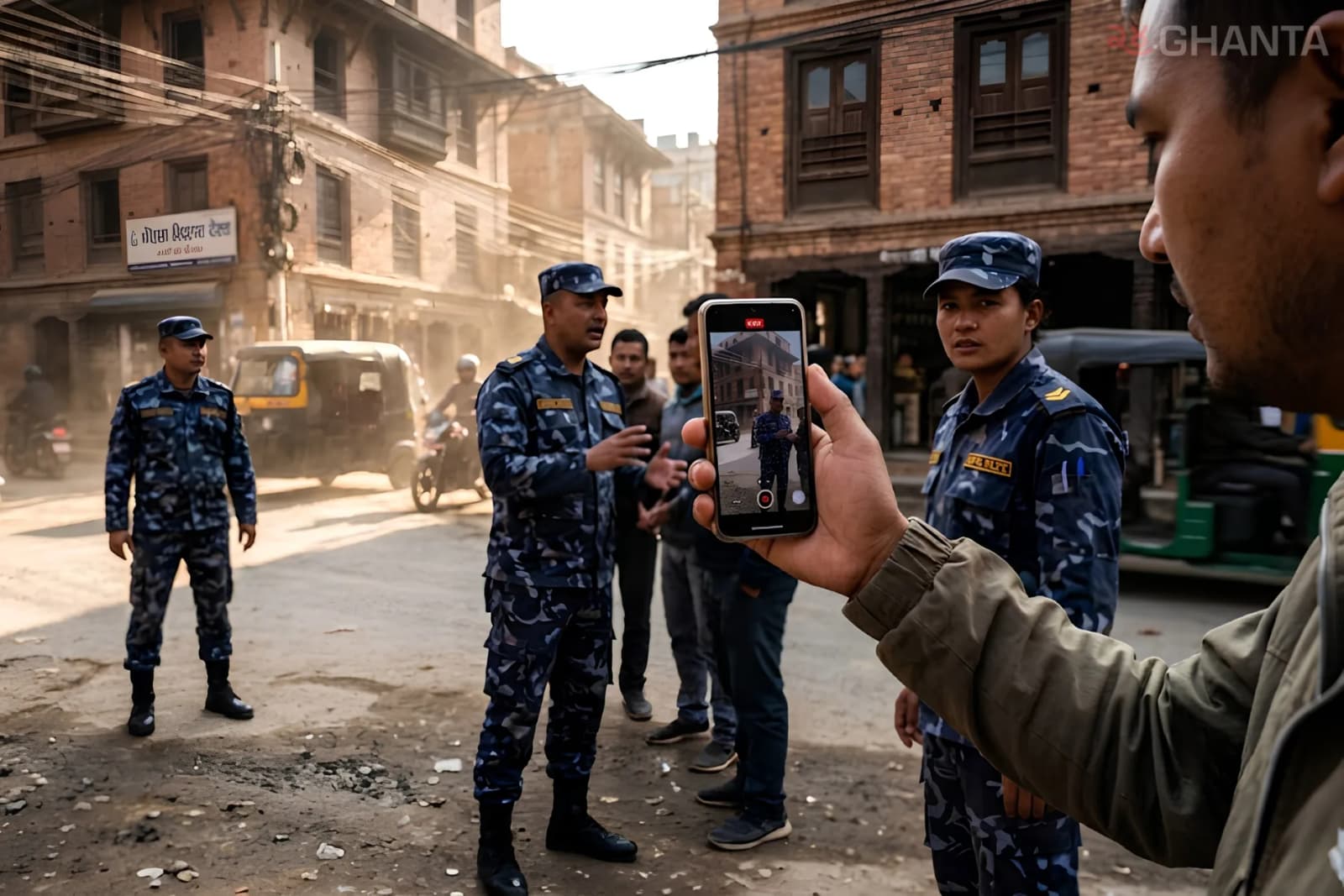
Can Citizens Legally Record Police Officers in Nepal? Constitution and Existing Laws Explained

A legal discussion published by law student Bibek Chaudhary examines whether citizens in Nepal have the constitutional right to record police officers performing official duties in public places. The analysis concludes that no existing law explicitly prohibits such recordings and argues that they are protected under the rights to freedom of expression and access to information.

Jul 15
Can Citizens Legally Record Police Officers in Nepal? Constitution and Existing Laws Explained

The Hidden Victims: Why Male Domestic Abuse Is Rarely Discussed

This article explores why male victims of domestic abuse are rarely discussed, using survivor stories, data from Nepal, the UK and the US, and Nepal’s gender-neutral legal framework to show that abuse can affect anyone, but stigma, shame and fear of not being believed often keep male victims silent.

Jul 10
The image shows a man silently suffering from domestic abuse, highlighting that victims can be men too.