24 Ghanta

Search

40 results for "Health"

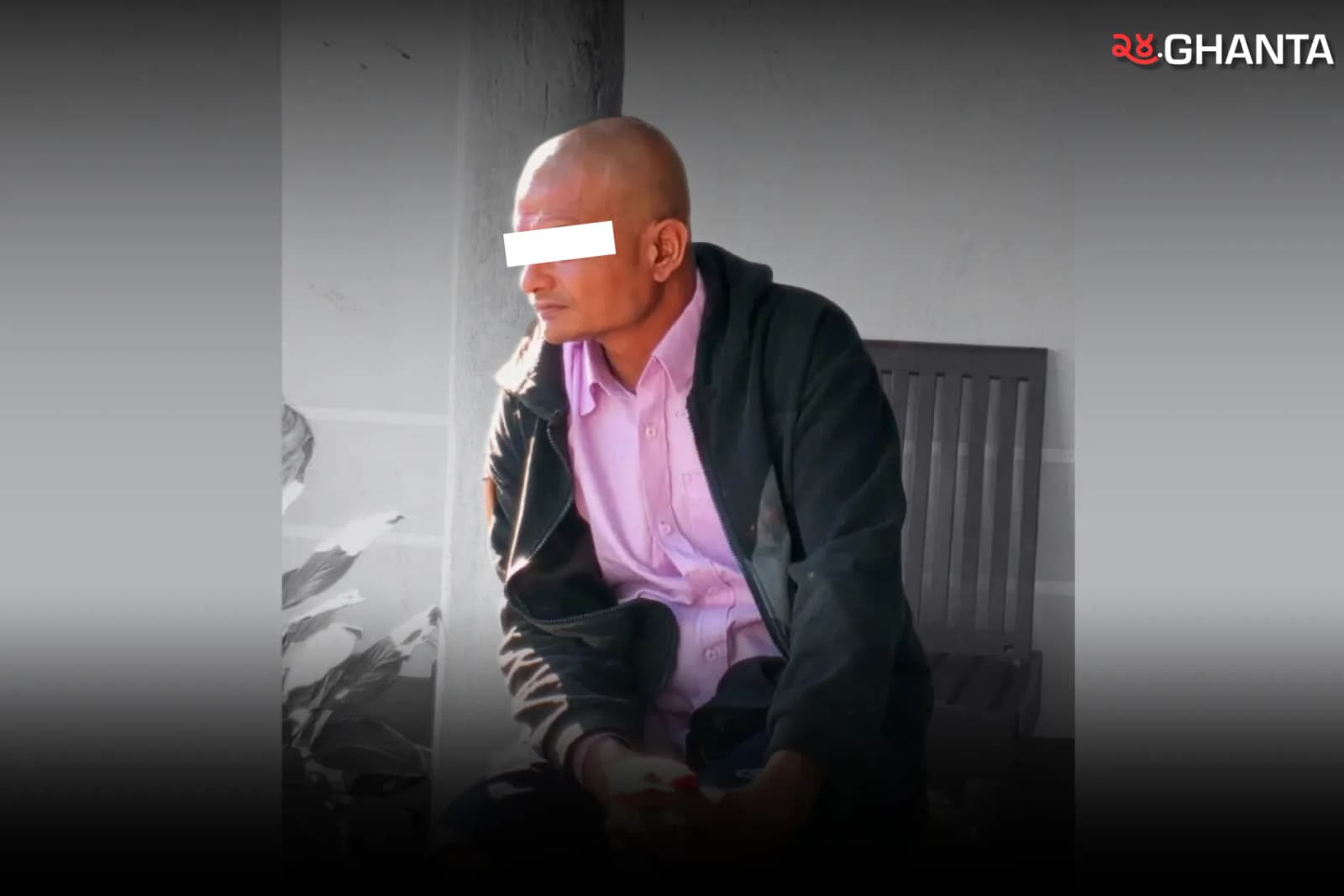
Declared Dead, Cremated, And Mourned: A Nepali Man Returns Home Alive, Leaving Police With A Mystery!

A 36-year-old man from Morang, Padam Bahadur Rai, returned home alive months after his family mistakenly identified and cremated an unidentified accident victim, believing the body was his. His unexpected return has prompted police to reopen the identification process, investigate the real victim's identity, and initiate steps to recover the accident insurance compensation paid to his family.
Oct 29
Cremated Man Returns Home Alive

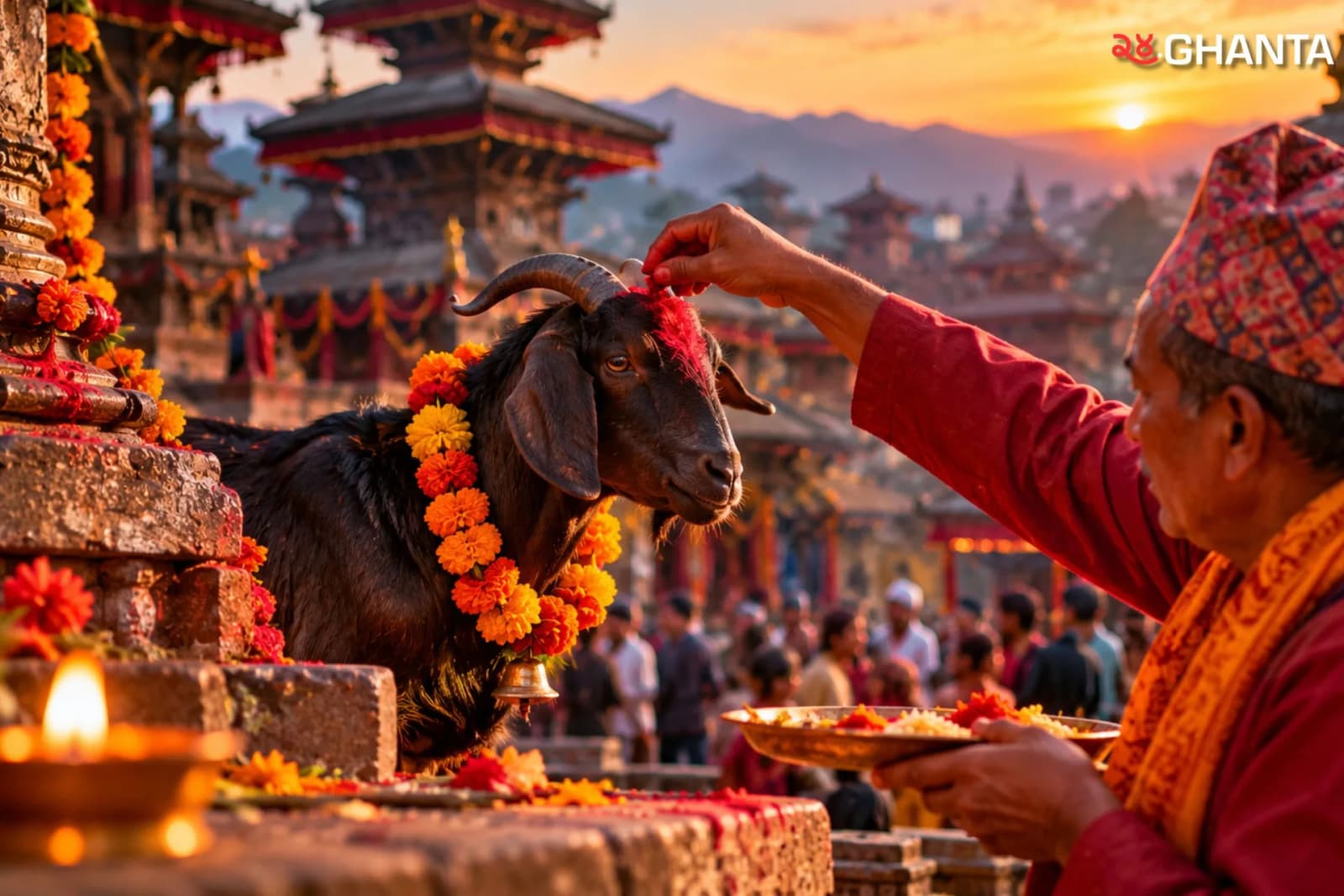
Is Animal Sacrifice Legal in Nepal? Tradition vs Law

Animal sacrifice remains legal under certain traditional religious practices in Nepal, but laws restrict where and how it can take place. The National Penal Code prohibits animal cruelty, requires available alternatives to sacrifice, and provides special protection for cows and oxen. In 2016, the Supreme Court directed the government to gradually end animal sacrifice, raising questions about religious traditions, animal welfare, and legal enforcement.

Oct 27
A man offers tika to a goat at a temple during a traditional animal sacrifice ritual in Nepal

Pretty Enough to Post? How Social Media Is Changing Beauty Standards in Nepal

Social media is exposing young Nepalis to edited faces, flawless skin, and beauty standards that can be difficult to match in real life. A Kathmandu study found that nearly one in four adolescents experienced body image dissatisfaction, with body shaming among the associated factors. Researchers and experts say the conversation needs to focus on healthier self image, realistic expectations, and greater acceptance of natural appearances.

Oct 27
A young woman compares her natural appearance in the mirror with her filtered selfies and beauty images on social media, reflecting the pressure to meet unrealistic beauty standards.

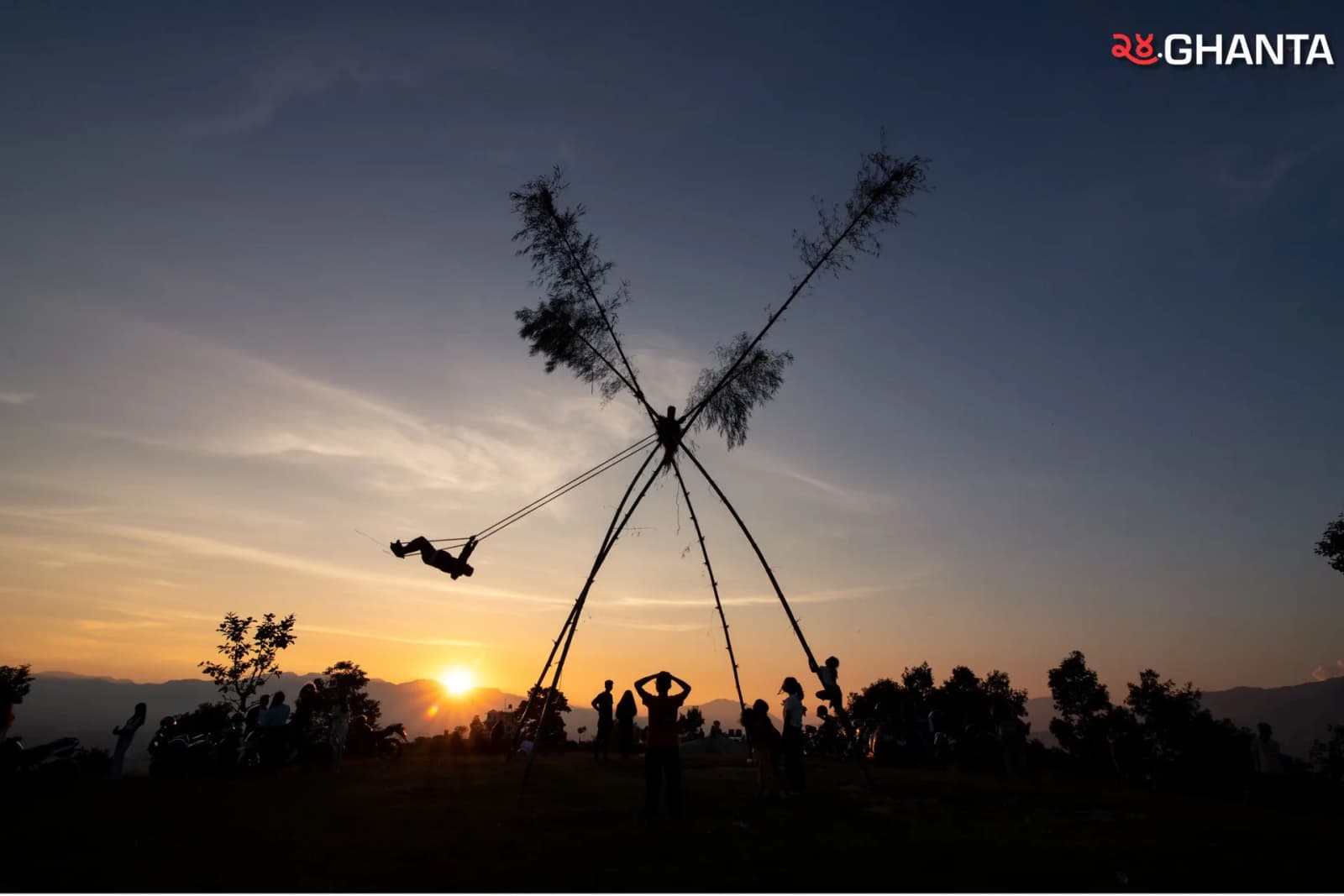
Why Do We Celebrate Dashain? The Story Behind Nepal’s Biggest Festival

Dashain is one of Nepal's most important festivals, celebrating Goddess Durga's victory over evil while bringing families together for tika, jamara, and blessings. Its history dates back centuries, with Malla and Shah rulers helping shape its religious, cultural, and royal traditions. Beyond religious beliefs, Dashain reflects Nepal's farming heritage, diverse communities, family reunions, and the joy of returning home.

Oct 16
People enjoying Dashain by playing on traditional bamboo swings, celebrating the festival with joy and togetherness.

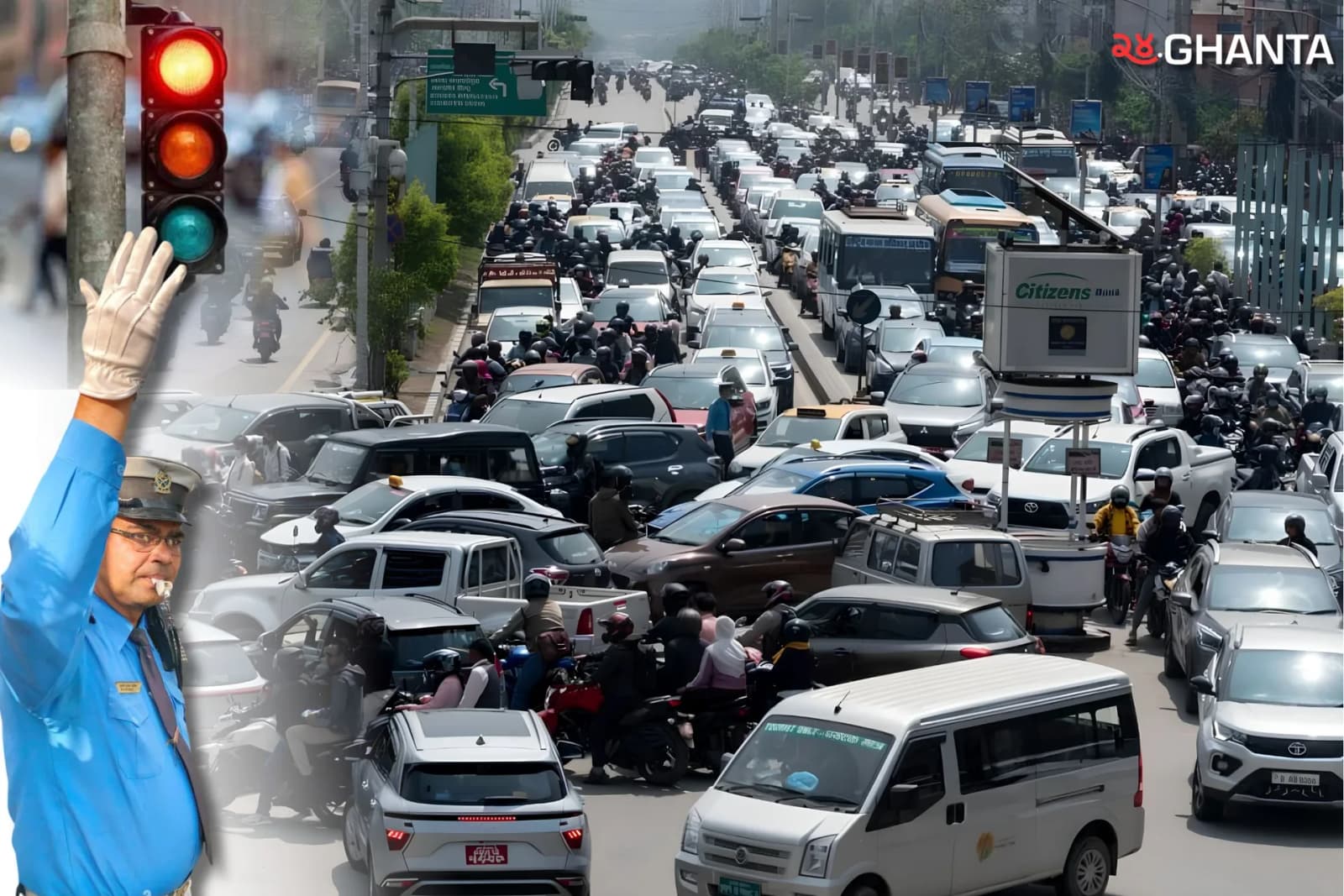
Kathmandu Launches Bike Ambulances to Reach Patients Trapped by Traffic and Narrow Streets

Kathmandu Metropolitan City launched a bike ambulance service on Friday, October 16, to help emergency responders reach patients in narrow streets and traffic-congested areas where regular ambulances face delays. Acting Mayor Sunita Dangol announced the service as part of the city's efforts to improve access to emergency healthcare, alongside its existing free 102 ambulance service.

Oct 16
Bike Ambulances Tackle Kathmandu Traffic

How Safe Is the Water You Drink Every Day?

A national survey found E. coli contamination in drinking water at the point of use among 60.4% of the household population represented by the water quality indicator. Public health tests also detected fecal contamination in parts of Kathmandu, while 589 KUKL monitoring records reviewed showed satisfactory results. The findings raise concerns about leaking pipelines, household storage, and whether water remains safe from its source to the glass.

Oct 14
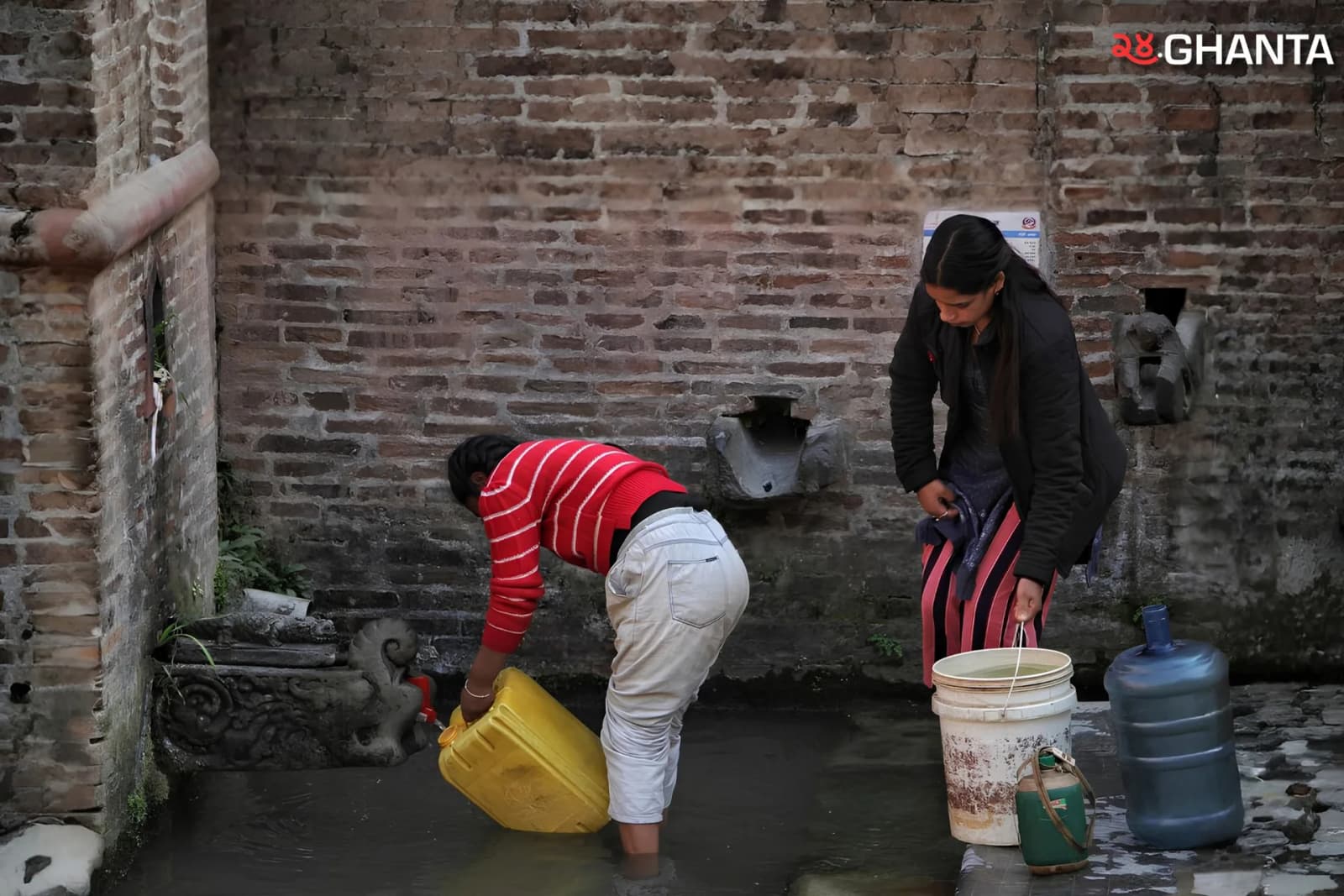
People collecting water in jars, highlighting growing concerns over how safe the water really is.

That Samosa on a Newspaper? Why Food Safety Authorities Say Stop

Serving hot or oily foods such as samosas and pakodas on newspaper may expose the food to substances from printing ink as well as contamination collected by the paper during handling and distribution. Food safety authorities recommend avoiding newspapers for serving, wrapping or absorbing oil from food and using clean, food-grade materials instead.

Oct 5
Newspapers Don’t Belong Under Food

Nepal Proposes Menstrual Leave for Female Civil Servants Under New Federal Bill

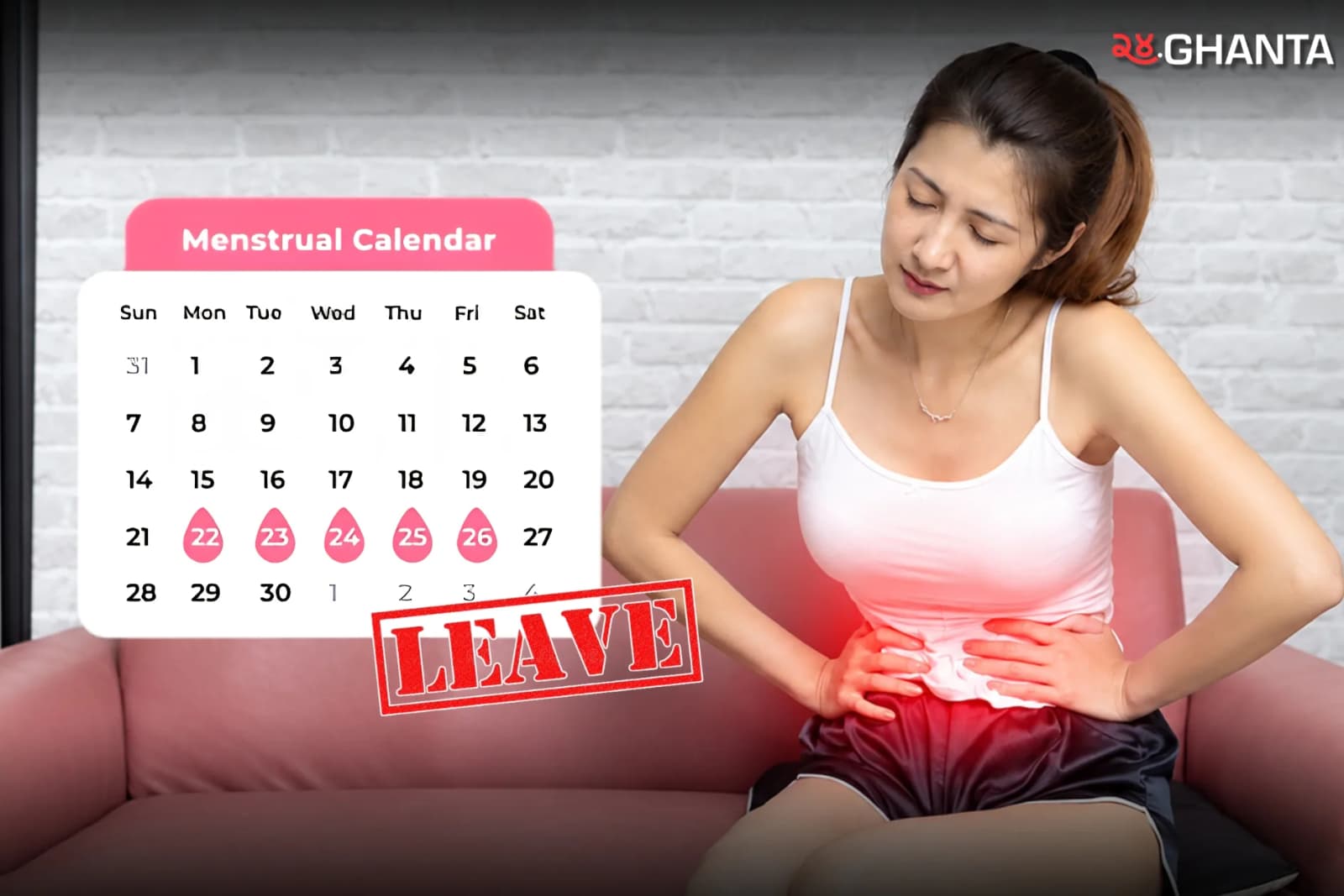
The Government of Nepal has introduced the Federal Civil Service Bill, 2083, proposing menstrual leave for female civil servants as part of broader reforms to government employment. The bill provides for nine categories of employee leave, although the exact duration, eligibility requirements and payment conditions for menstrual leave have not yet been confirmed.

Oct 1
Nepal Proposes Menstrual Leave Benefits

Why Are More Nepalis in Their 30s and 40s Facing Heart Disease? The Lifestyle Changes Behind the Rising Risk

Heart disease cases are increasing in Nepal, with doctors warning that coronary heart disease is now affecting more younger adults due to changing lifestyles, unhealthy diets, stress, smoking, lack of exercise, high blood pressure and diabetes. Cardiologists say early screening, regular physical activity and controlling risk factors can play a major role in preventing serious heart problems among Nepal’s younger population.

Sep 30
Heart Disease Risk Rising Among Youth

Cabinet Clears Path for Major Reforms: Health Aid, Civil Service and Infrastructure Decisions

The Government of Nepal has approved several key decisions from the Cabinet meeting, including accepting USD 20.7 million in US government health assistance, allowing national forest land use for major infrastructure and security projects, and forwarding three important amendment bills to the Federal Parliament. The meeting also approved senior civil service promotions and announced plans to strengthen sports infrastructure and restart domestic leagues.

Sep 29
Cabinet Approves Major National Reforms

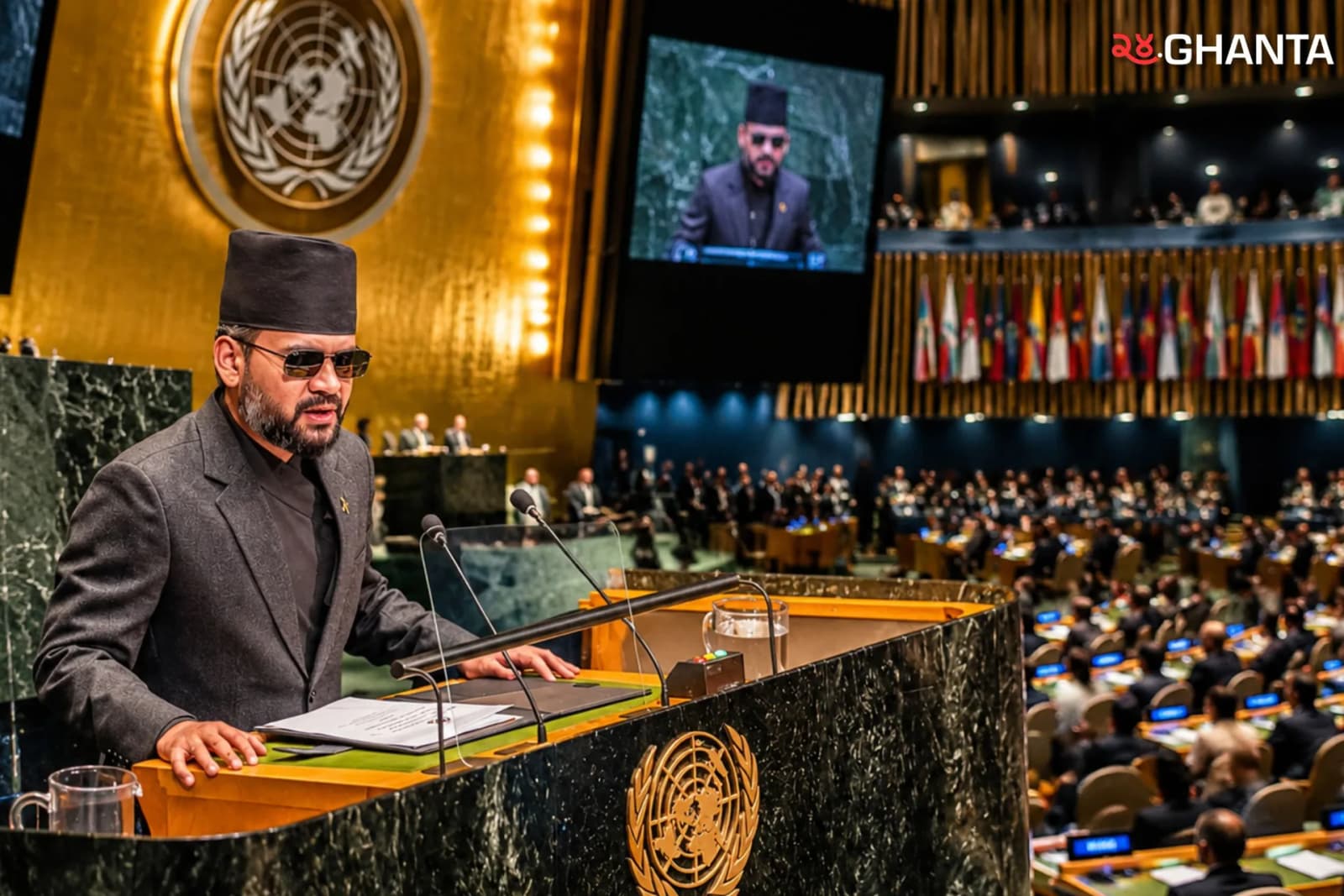
Why Do World Leaders Gather at the UN Every Year, And Does Anything Actually Change?

The United Nations General Assembly gives world leaders a platform to discuss global challenges, build cooperation, and bring national concerns to international attention. For Nepal, the UN offers an important space to highlight issues such as climate risks, Himalayan disasters, and the need for regional cooperation. Prime Minister Balendra Shah used the 81st UN General Assembly to bring Nepal’s climate concerns before a global audience.

Sep 28
Prime Minister Balendra Shah addresses world leaders from the UN podium, presenting Nepal’s concerns and priorities on the global stage.

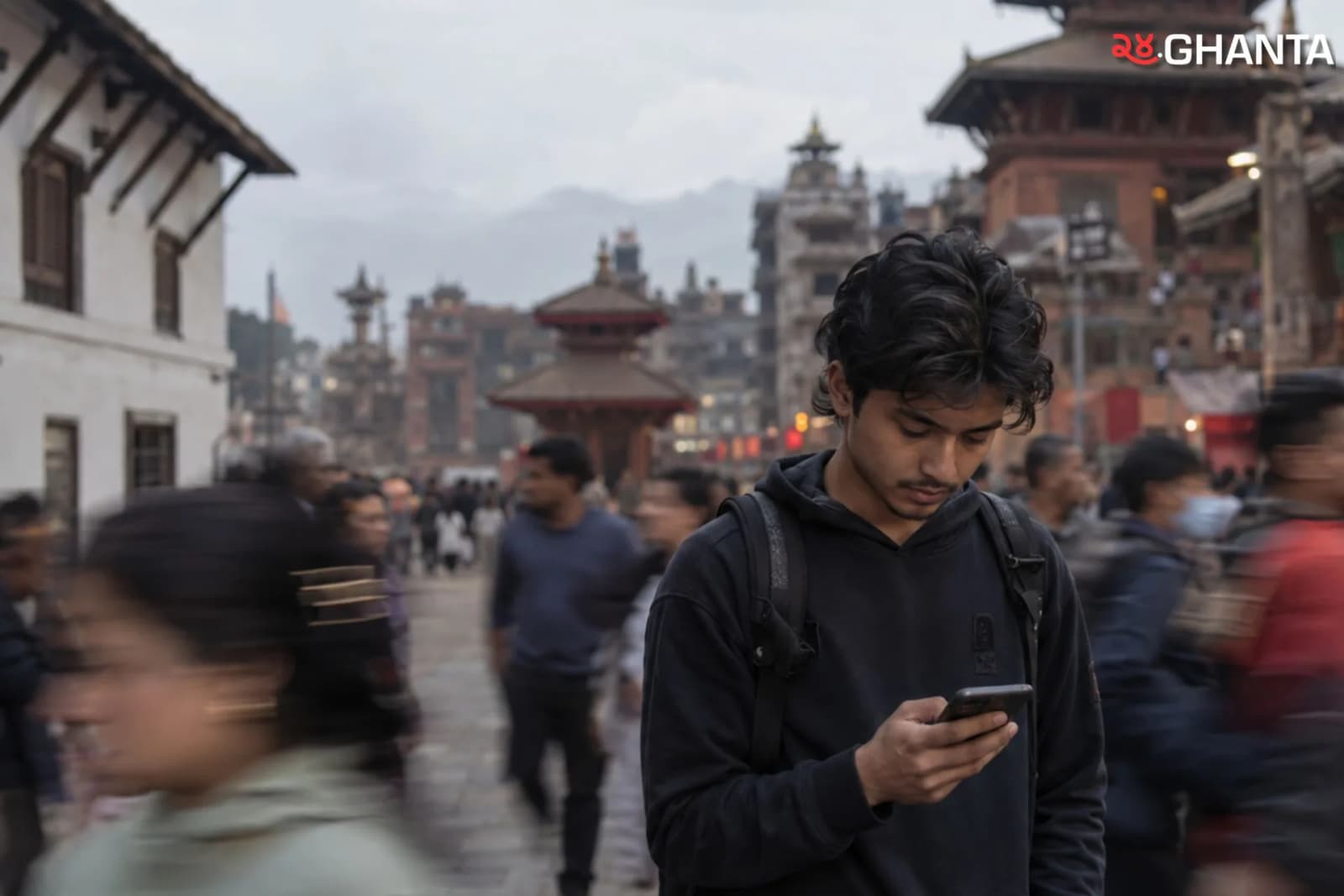
Why Do We Feel So Lonely When We’re More Connected Than Ever?

Loneliness can exist even when we are constantly connected through phones, social media, and crowded communities. Research suggests meaningful relationships depend less on how many people we contact and more on genuine interaction, presence, and a sense of belonging. Regular face to face activities, shared routines, and honest conversations can help turn everyday contact into deeper connections.

Sep 28
Even when surrounded by people and constantly connected online, a person can still feel deeply alone without meaningful human connection.

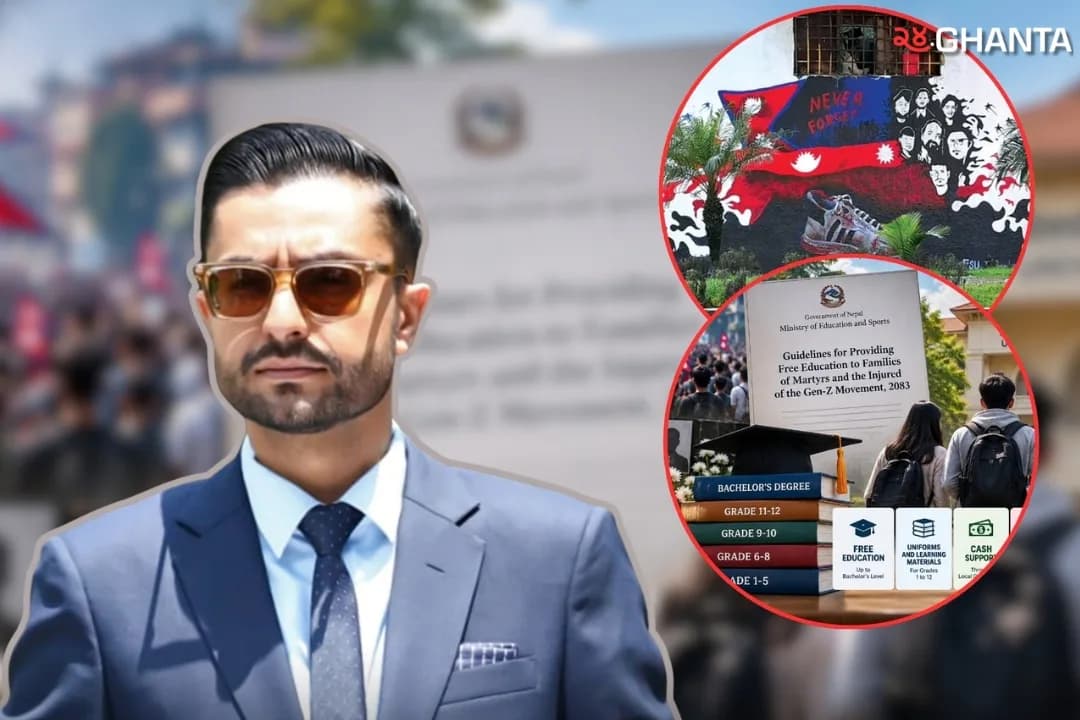
Nepal Introduces Free Education Up To Bachelor’s Level For Gen Z Martyrs’ Families And Seriously Injured Protesters

Nepal has introduced guidelines providing educational support from basic school through bachelor’s level for eligible families of Gen Z martyrs and seriously or critically injured beneficiaries. Universities will reserve scholarship quotas, while eligible bachelor’s students who are not selected can receive up to Rs 30,000 annually through the UGC, or the prescribed tuition fee, whichever is lower.

Sep 24
Free education programme for families of Gen Z martyrs and seriously injured people in Nepal

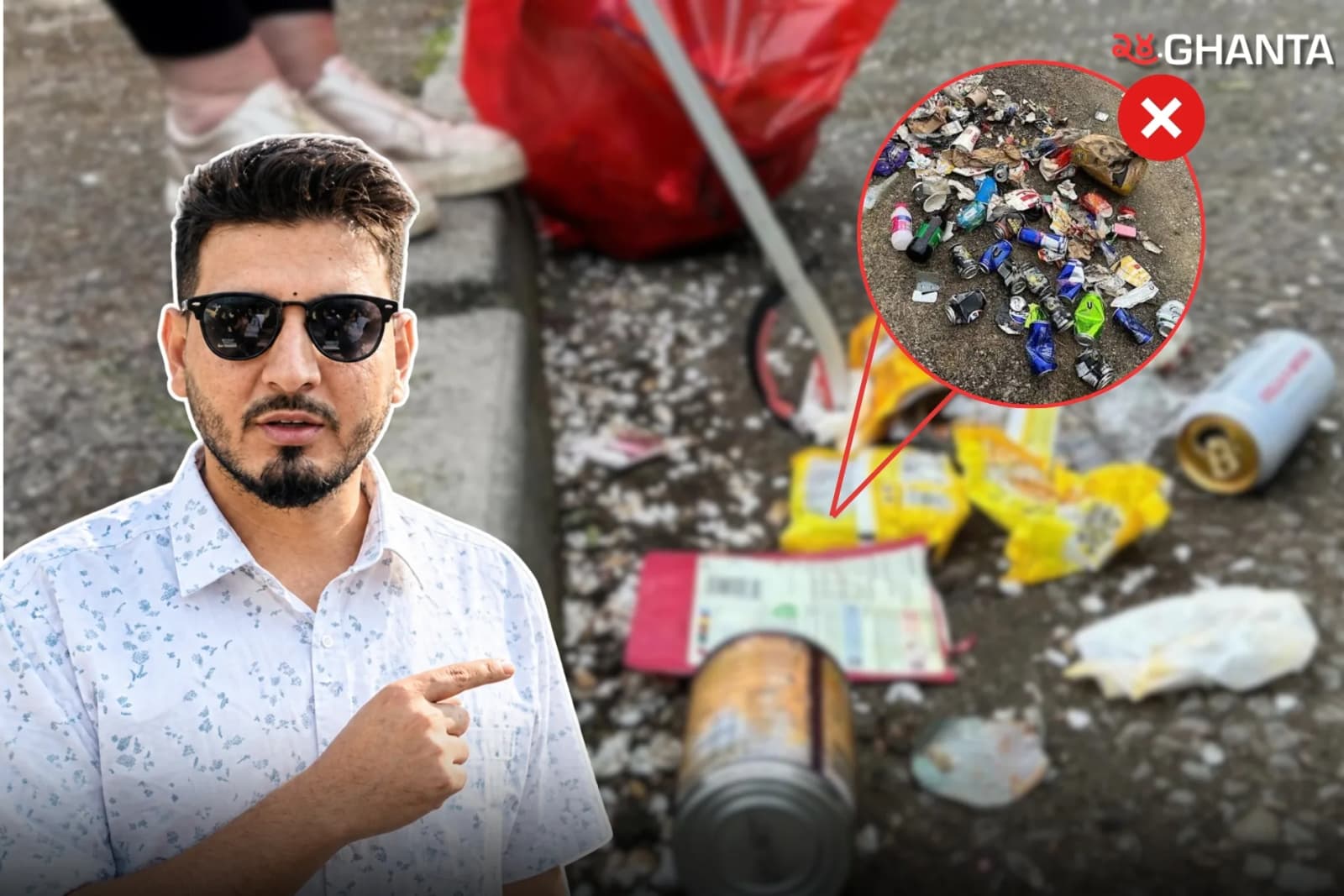
Nepal's New Waste Bill Proposes Fines for Littering and Damaging Public Dustbins

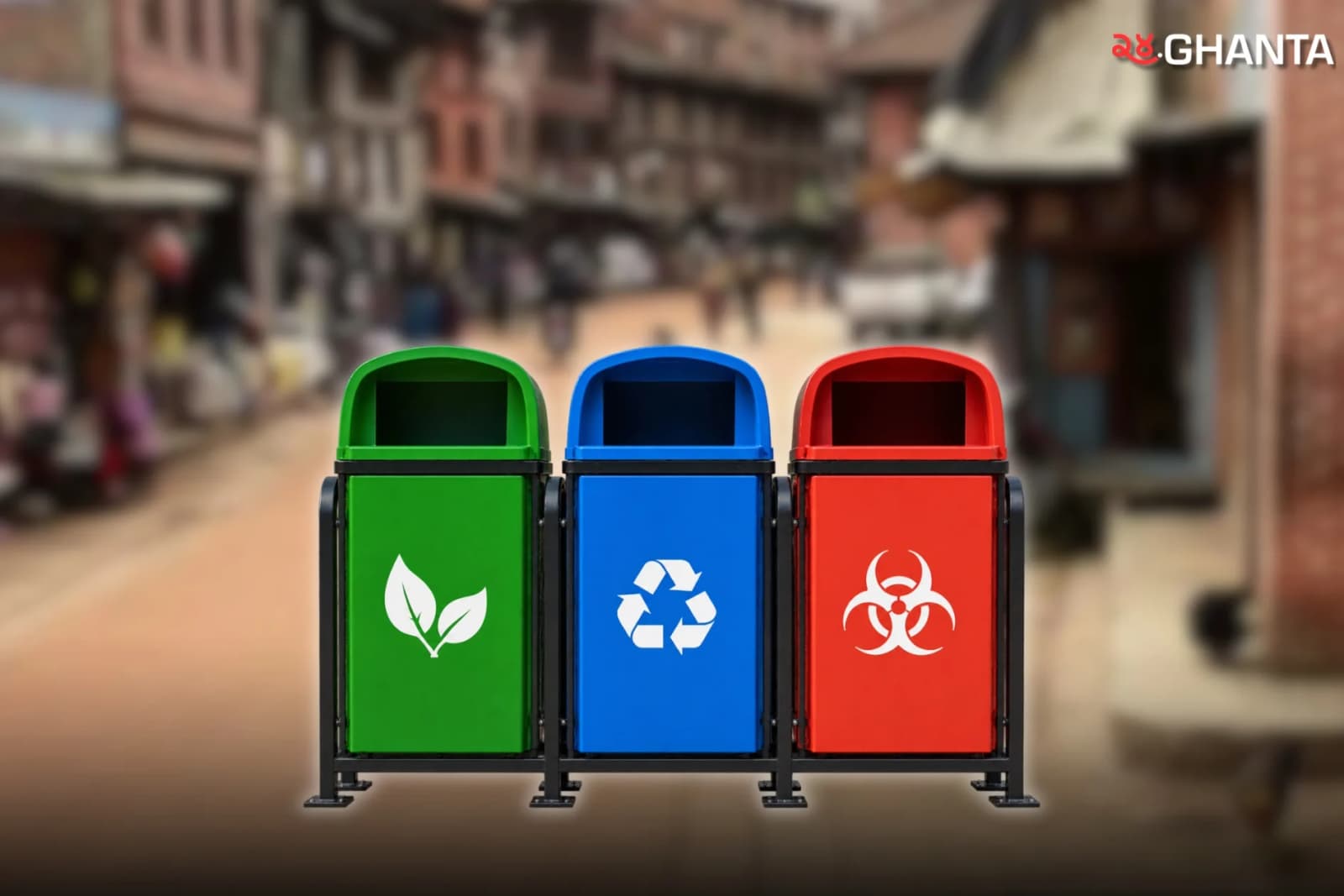
Nepal’s proposed Waste Management Bill, 2083 seeks tougher rules for public waste disposal, including fines that can reach Rs 15,000 for repeated improper disposal of waste and Rs 15,000 to Rs 50,000 for damaging or removing public dustbins. It also proposes requiring local governments to install covered public bins that separate biodegradable, non-biodegradable and hazardous waste.

Sep 23
Nepal Proposes Tougher Waste Rules

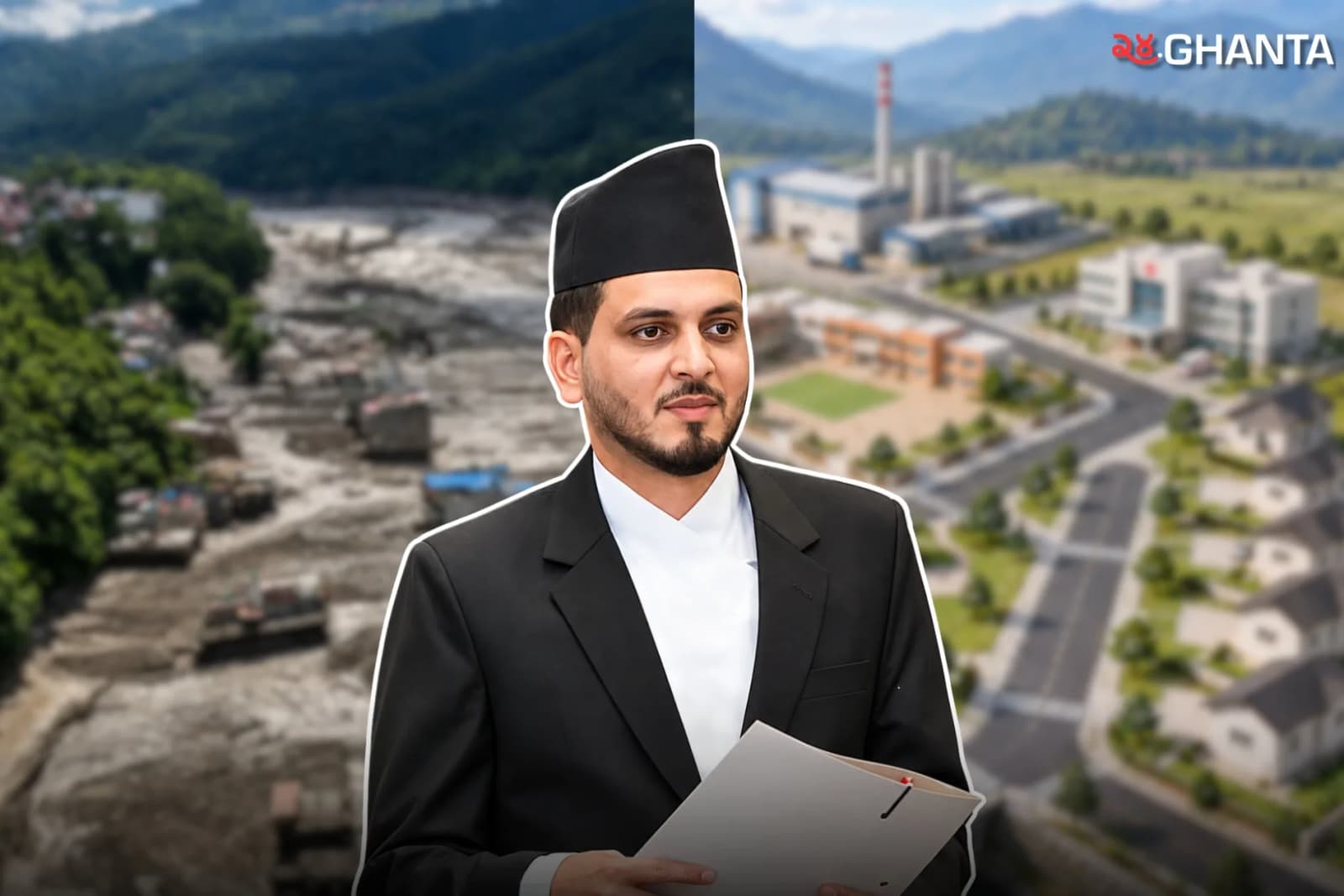
Nepal Plans New City for Flood-Displaced Families Instead of Rebuilding in Devastated Areas

Nepal’s government plans to develop a new organized settlement on safer land for families displaced by the recent floods instead of returning them to some of the worst-hit locations. Infrastructure Minister Sunil Lamsal said the proposed settlement would include schools, hospitals and industries, although its location, budget and construction timeline have not yet been announced.

Sep 21
Nepal Plans New Flood Settlement

Porn Addiction in Teenagers: What Global Research Reveals, and Why Nepal's Story Is Different

Teen pornography exposure is rising in Nepal despite the country’s 2018 ban. Studies suggest more than half of Nepali adolescents and young people have viewed porn, while a smaller group show signs of problematic use. Experts and research point to early exposure, weak sexuality education, limited parent-child conversations, and growing online risks such as sextortion and image abuse.

Sep 18
Teen Porn Addiction in Nepal

Leave Your Posters Behind? It Could Cost Up to Rs 2 Lakh Under Nepal’s Proposed Waste Law

Nepal’s proposed waste-management law could fine individuals, groups and organizations Rs 50,000 to Rs 2 lakh if they fail to remove posters, pamphlets, leaflets, wall writings, flags and similar materials placed for public programs. The provision is part of a wider bill registered in Parliament to strengthen accountability for waste and keep public spaces cleaner.

Sep 18
Clean Up Or Face Fines

No More Open Trash In Public Places? Nepal Proposes To Make Covered Dustbins Mandatory Within 3 Months

The Government of Nepal has registered a new Waste Management Bill in the House of Representatives that proposes mandatory covered dustbins in public places within three months after the law comes into effect. The bill aims to improve waste management by defining the responsibilities of individuals, local governments and other authorities while promoting waste segregation and cleaner public spaces.

Sep 17
Nepal Plans Cleaner Public Spaces

After Floods Destroy Classrooms, UNICEF and EU Bring Learning Back to Nepal’s Children

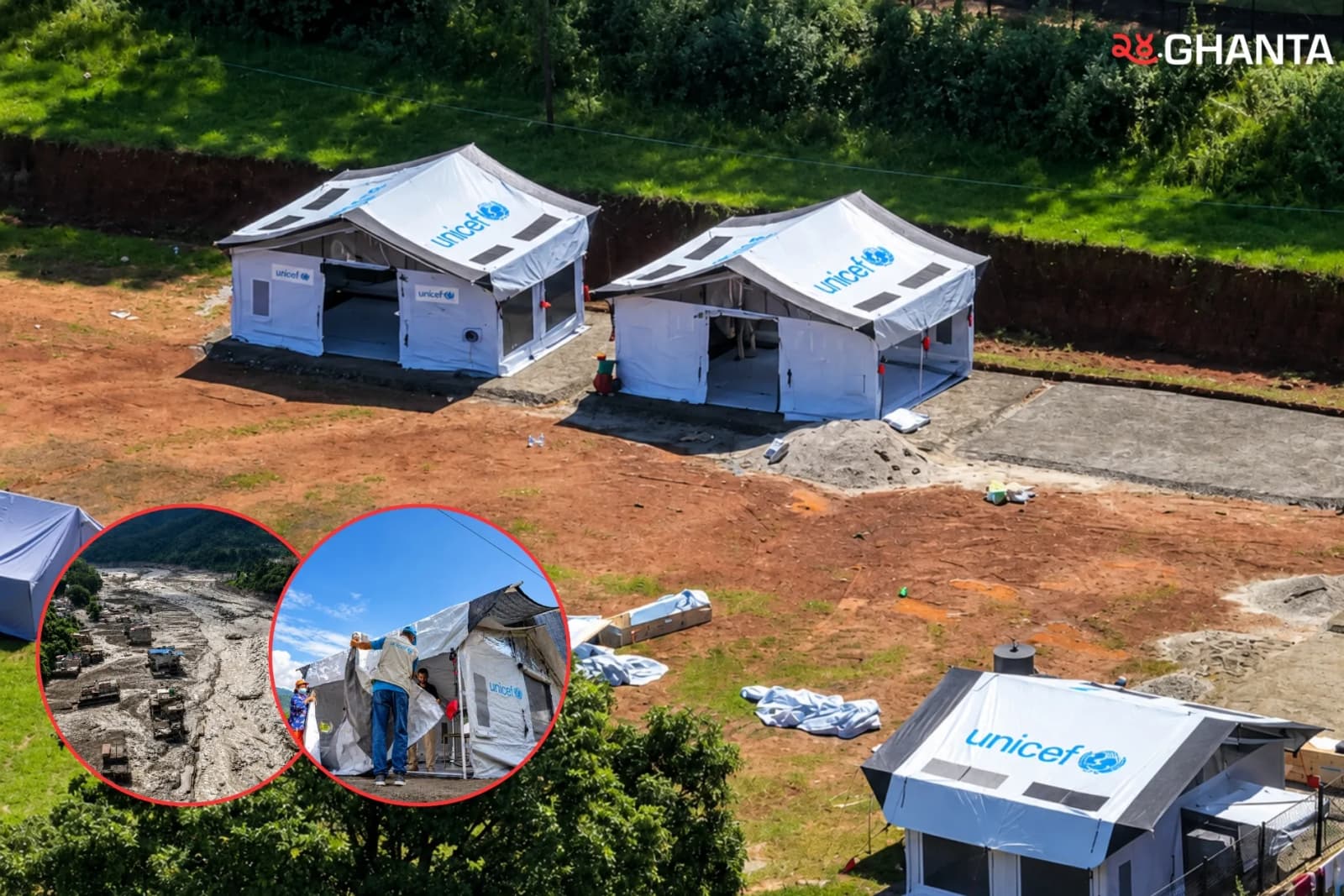
UNICEF, with financial support from the European Union, is helping establish temporary learning centres for children whose education has been disrupted by Nepal’s devastating August floods, giving them safe places to learn while damaged schools and communities recover. The initiative is part of a wider emergency response as thousands of children face damaged classrooms, displacement and emotional distress following the disaster.

Sep 16
Learning Returns After Nepal Floods

Bhotekoshi Flood Leaves Nepal Facing Rs. 7 Kharba 23 Arba Reconstruction Challenge As Energy, Roads, Bridges, Homes And Businesses Suffer Massive Damage

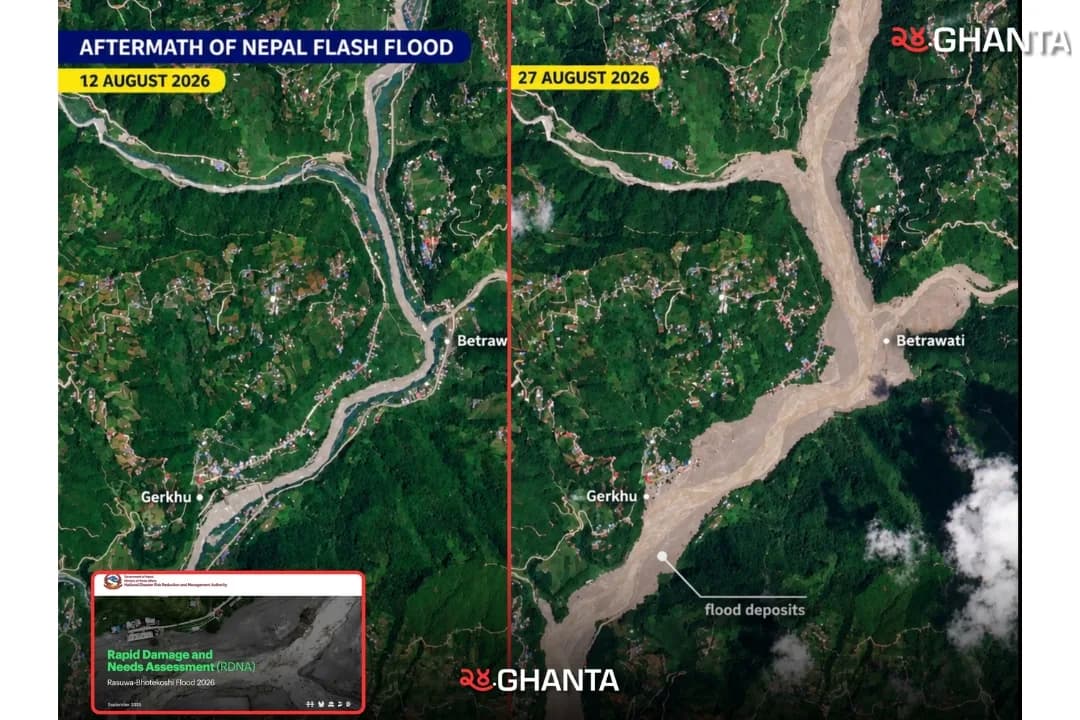
Nepal estimates Rs. 7 Kharba 23 Arba 31 Crore 52 Lakh will be needed for recovery and reconstruction after the Bhotekoshi flood. The disaster damaged hydropower and solar projects, roads, bridges, thousands of homes, schools, health institutions, businesses, and farmland across five districts, making long-term rebuilding a major national challenge.

Sep 11
Bhotekoshi Flood Reconstruction Cost Reaches Rs. 7 Kharba 23 Arba

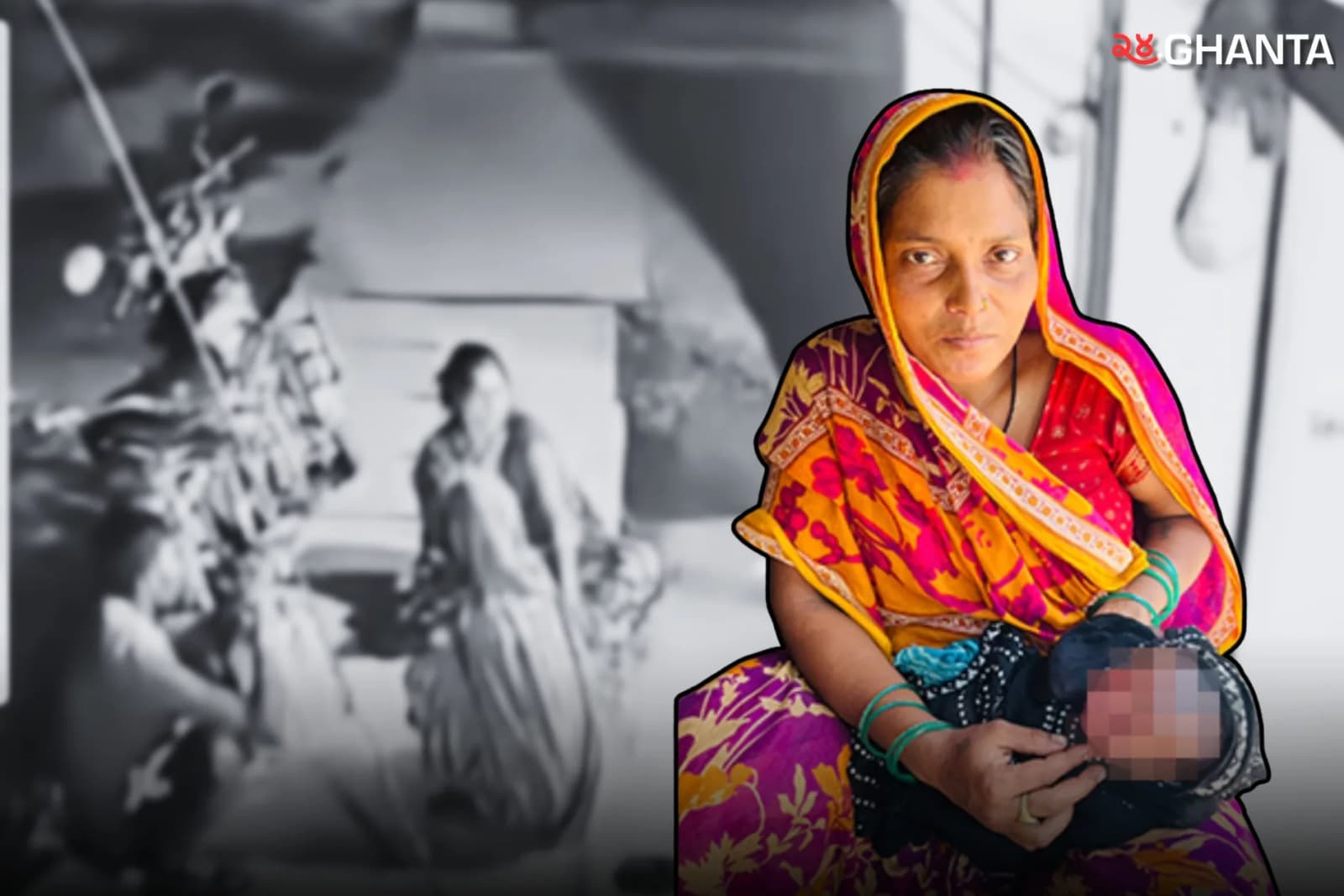
Mother Gives Birth On Footpath Outside Rajbiraj Hospital As Family Alleges She Was Refused Admission Over Tests

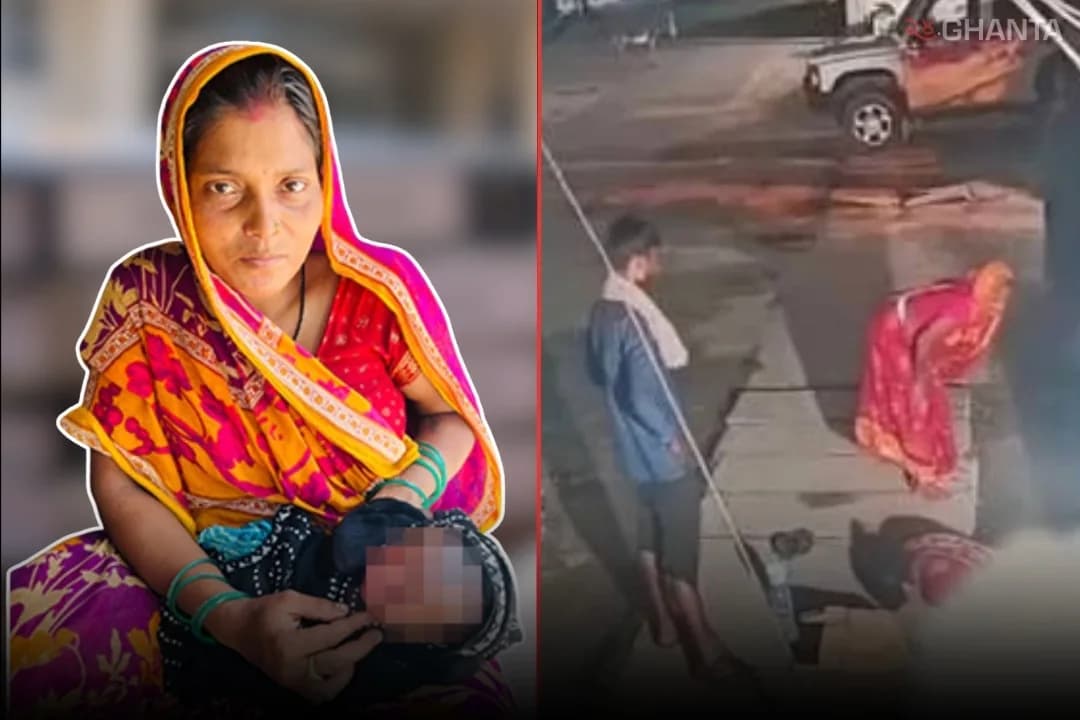
Babita Paswan gave birth to a baby boy on a footpath outside Gajendra Narayan Singh Sagarmatha Hospital in Rajbiraj after her family alleges she was not allowed to remain for delivery because she could not immediately afford around Rs 2,500 in medical tests. Hospital officials dispute her account, saying she had been admitted and later left after being sent for tests, while the hospital has announced an investigation into the incident.

Sep 10
Mother Gives Birth Outside Hospital

US-Iran War Moves Into The Strait Of Hormuz, Raising New Fears For Global Oil, Shipping And Marine Life

The US Iran war has expanded into the Strait of Hormuz, one of the world’s most important energy routes, as attacks on oil tankers increase risks to global shipping and oil supplies. The growing conflict also threatens the Persian Gulf’s marine ecosystems, fishing communities and desalination systems, raising fears that a major oil spill could turn the military crisis into a long term environmental disaster.

Sep 9
US Iran War: Hormuz Oil And Marine Crisis

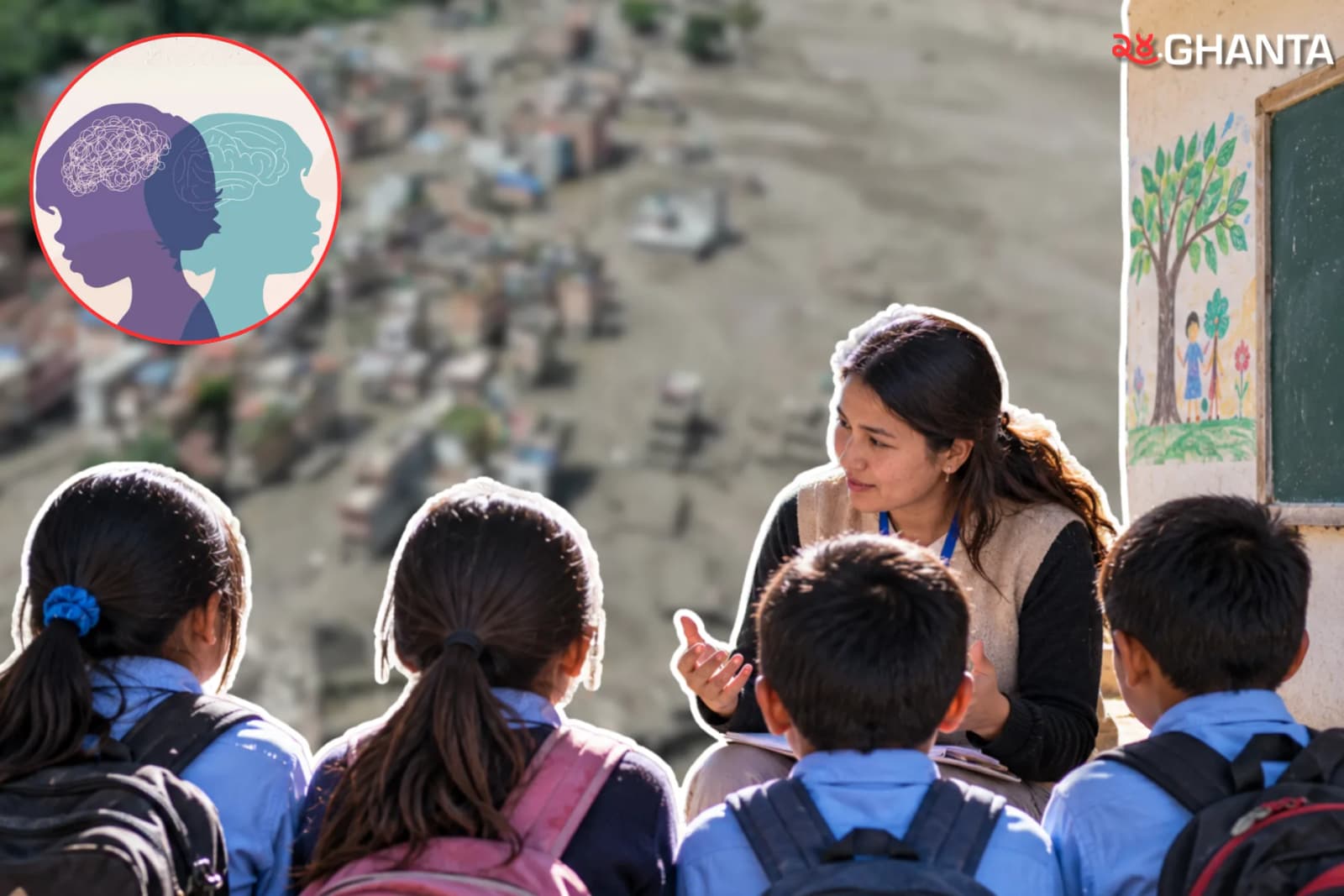
Before Books and Classrooms, Nepal Says Flood-Affected Children Need Time to Heal

The government has instructed schools and local authorities in areas affected by the Rasuwa-Bhotekoshi flood to address students’ psychological and emotional needs before returning them to regular classrooms. Schools have been asked to coordinate with health workers, provide psychosocial counselling where needed, and resume normal teaching only when affected children are mentally prepared and a safe, child-friendly learning environment can be ensured.

Sep 9
Healing First, Classrooms Come Later

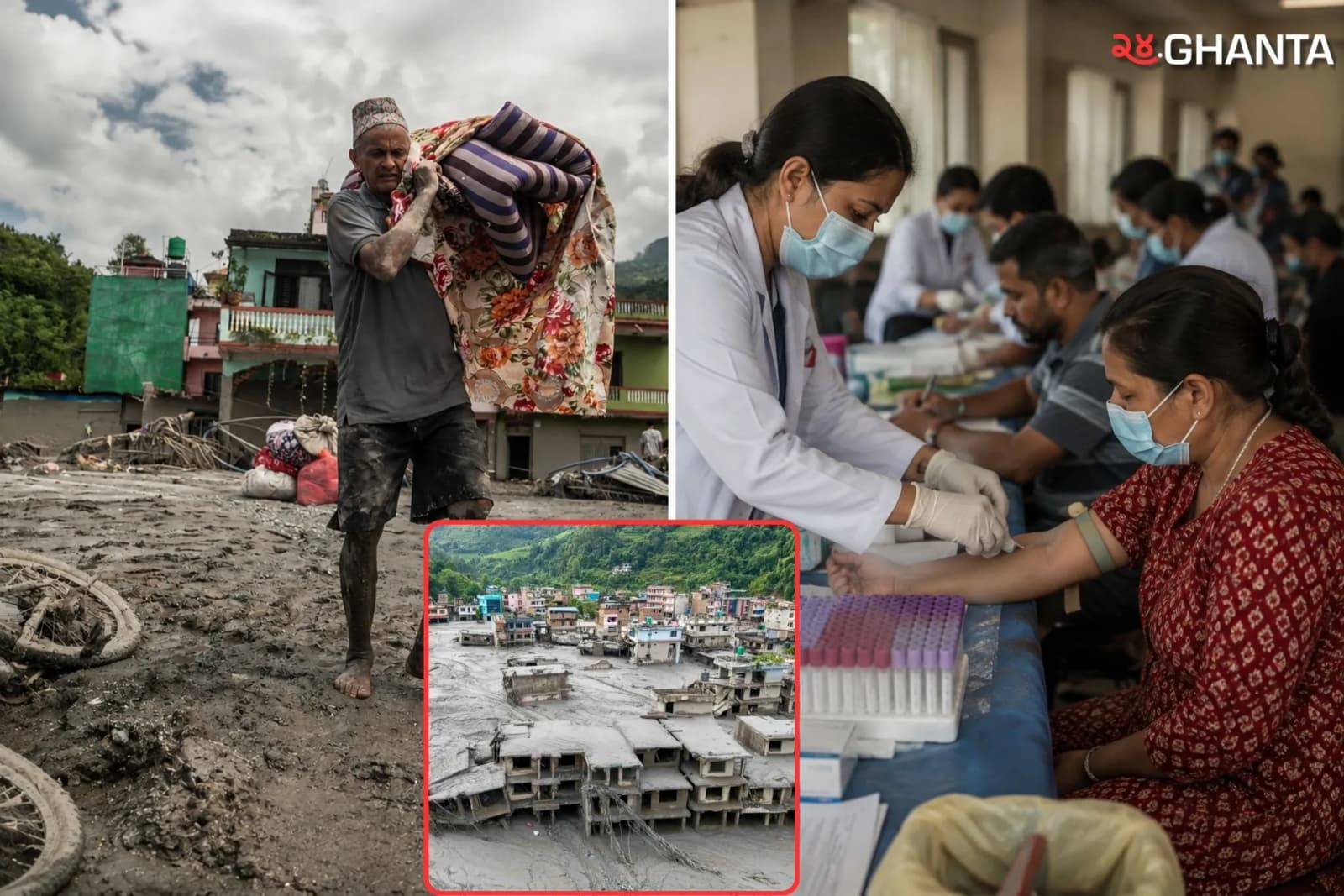
After Nepal’s Deadly Floods: How Nepali and Foreign Victims Are Identified and How Families Can Get Their Loved Ones Back

Nepali and foreign victims who cannot be recognized after the Bhote Koshi flood may still be identified through photographs, fingerprints, dental information, personal records and DNA. Even when unidentified remains are temporarily buried, documented reference numbers, forensic evidence and recorded burial locations can allow authorities to identify and return them to families later. For foreign victims, formal identification is followed by ID verification, embassy coordination and repatriation so their remains can be returned home.

Sep 3
A flood survivor walks through the devastation as families provide DNA samples to help identify missing loved ones

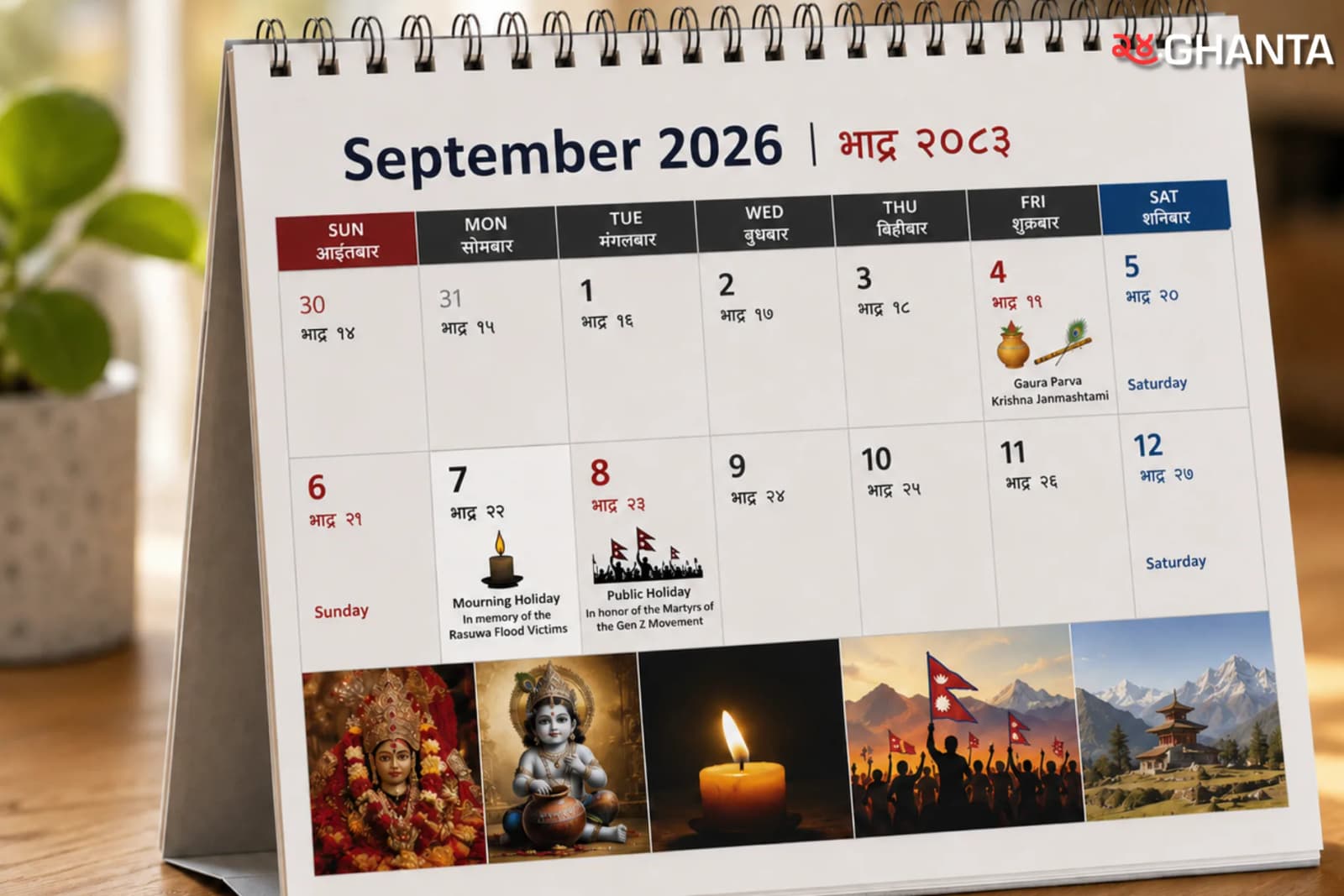
Nepal’s September 4–8 Calendar: Festivals, Weekend, Mourning and Remembrance

Nepal will observe five consecutive significant days from September 4 to 8, beginning with Krishna Janmashtami and Gaura Parva, followed by the regular weekend, a national mourning day for Rasuwa flood victims, and Gen Z Martyrs’ Day. September 7 is a national mourning day, not a public holiday, while September 8 has been declared a nationwide public holiday.

Sep 3
Four Days With Different Meanings

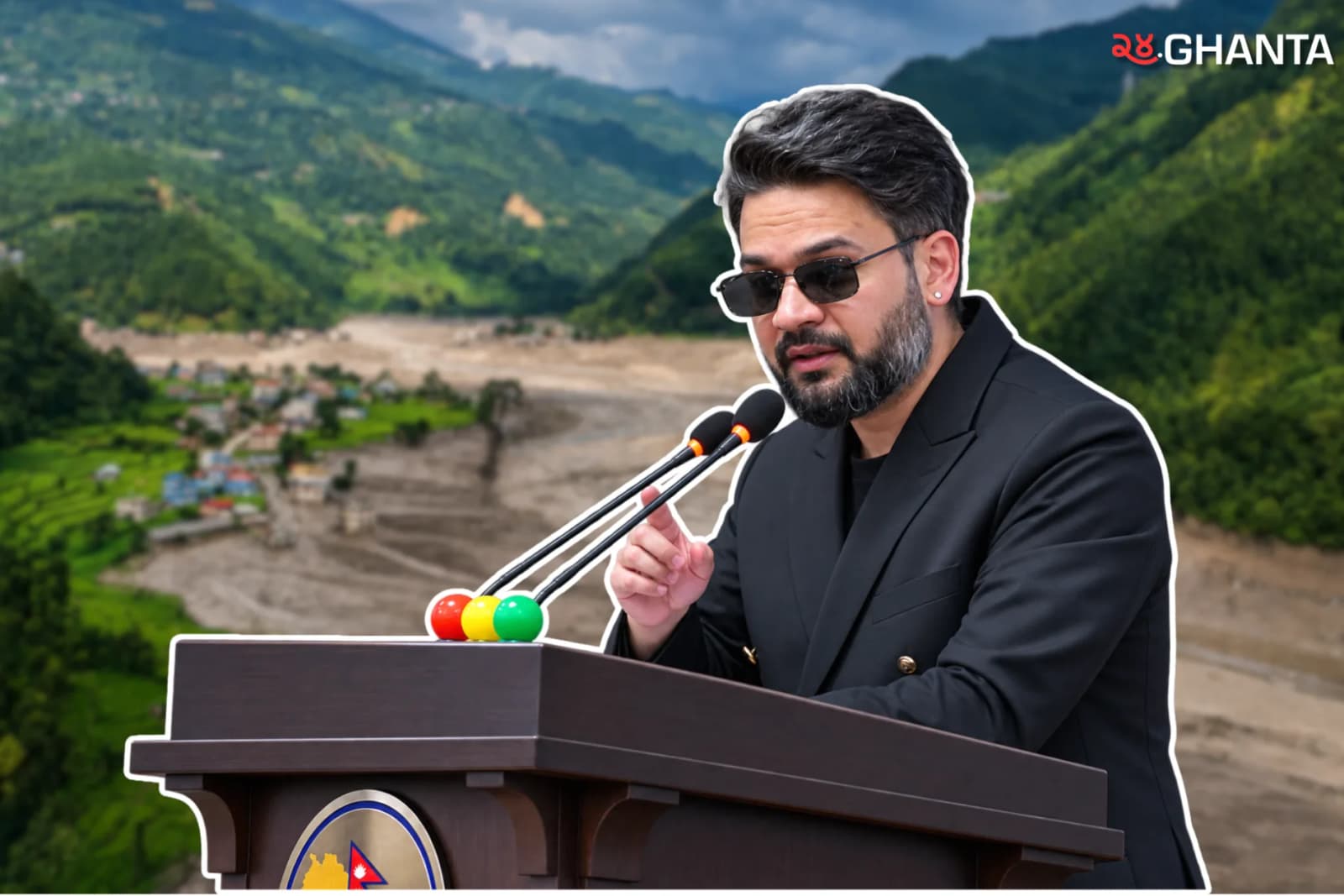
Seven Days After Rasuwa Flood: What Did the Government Actually Do?

Prime Minister Balen Shah has presented Parliament with a detailed account of the government’s response following the August 26 Bhote Koshi flood, including helicopter rescues, free treatment, relief funding, evacuation, road restoration and emergency coordination. The government also allocated additional disaster funds, declared affected local levels crisis zones for three months and continued coordinating with provincial, local and international partners as rescue and recovery operations continued.

Sep 2
Rescue, Relief, Recovery After Rasuwa