24 Ghanta

Search

40 results for "Nepal Police"

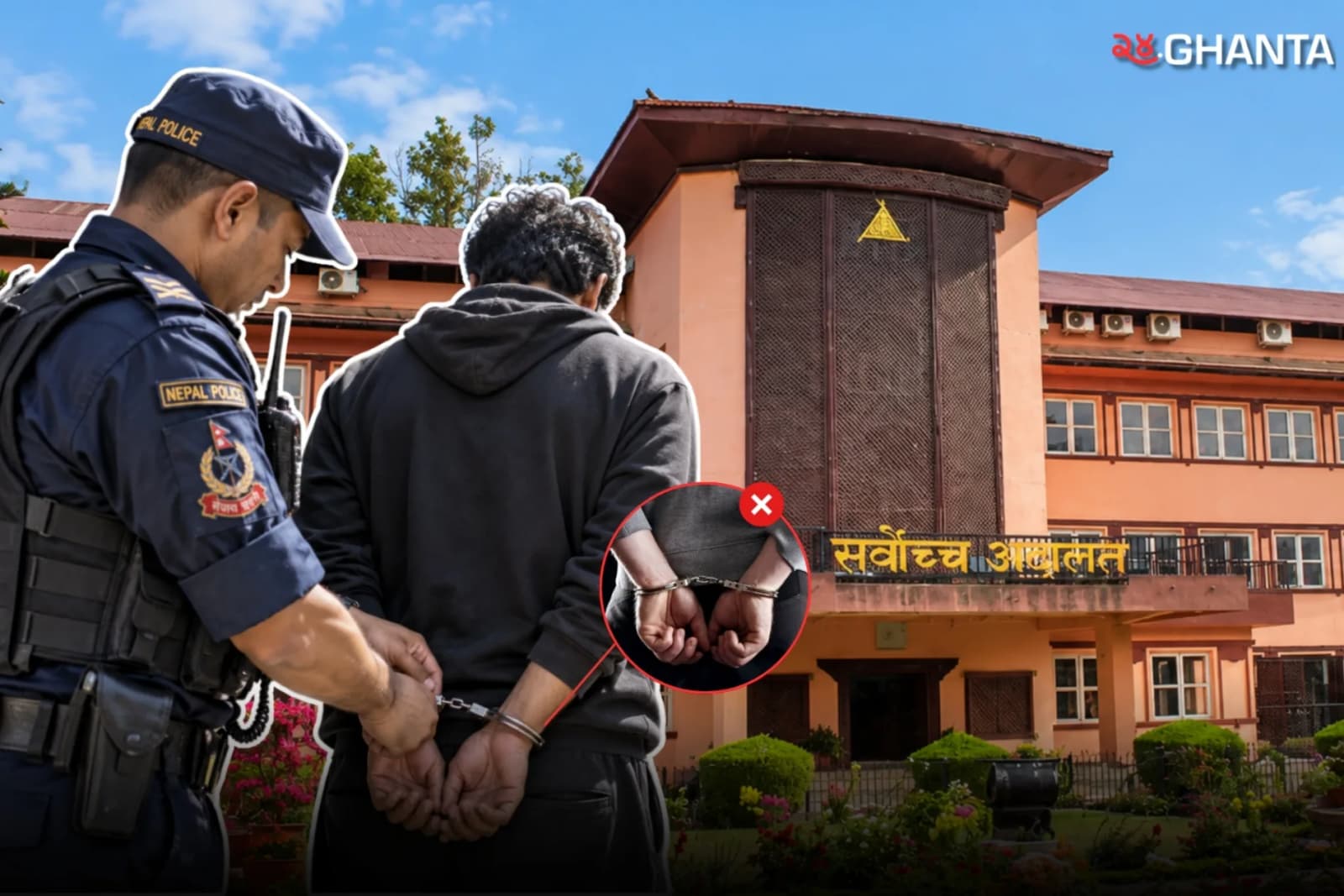
Arrest Does Not Mean Handcuffs: Supreme Court Sets Limits for Nepal Police

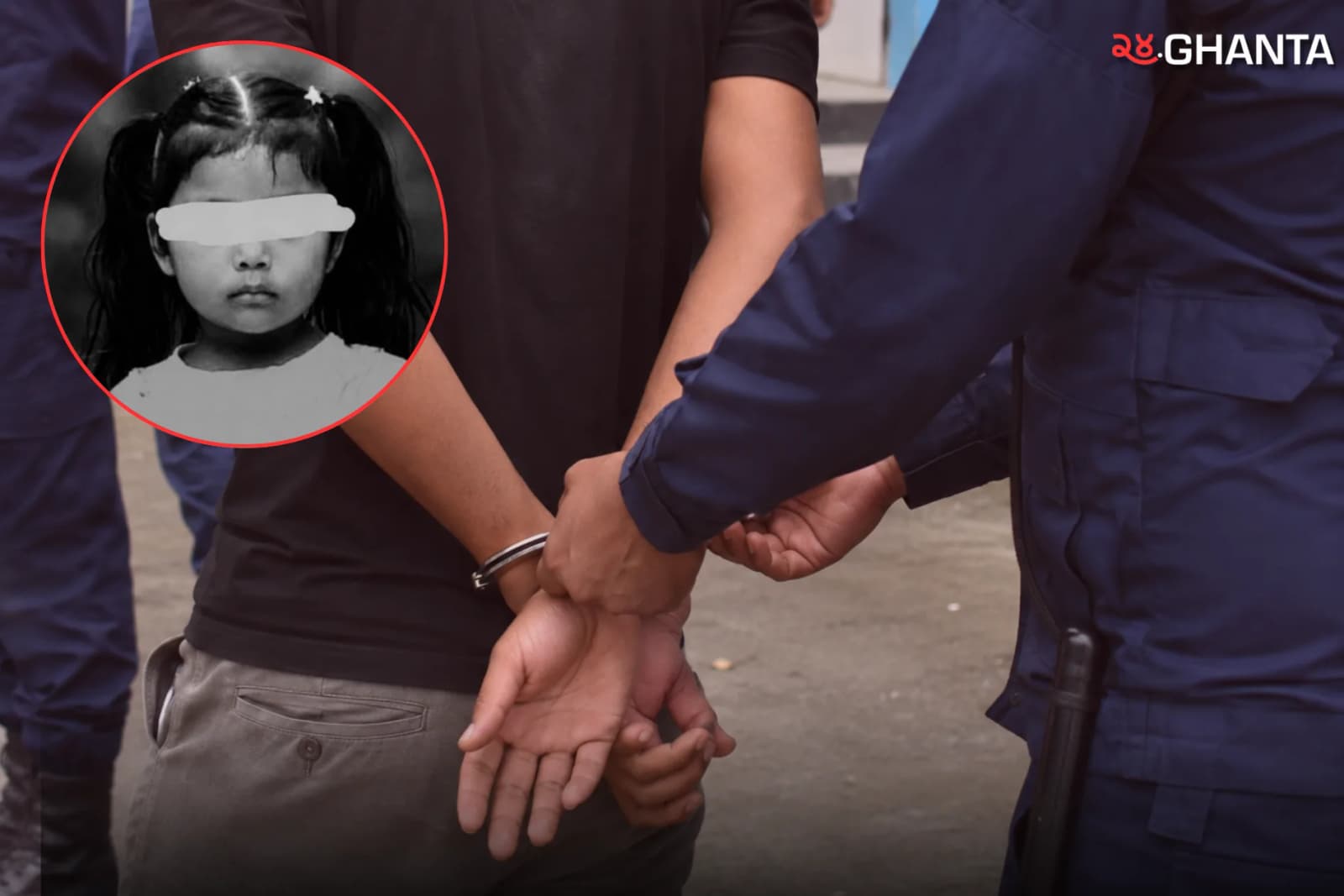
The Supreme Court has ordered Nepal Police to stop routinely handcuffing every person arrested for investigation, ruling that restraints should be used only after an objective assessment finds a genuine risk of escape, violent resistance, or harm to the arrested person or others. The interim order, issued by a joint bench of Justices Nahakul Subedi and Shanti Singh Thapa, also requires police to record why handcuffs were considered necessary in each case.

Sep 22
Court Limits Routine Police Handcuffing

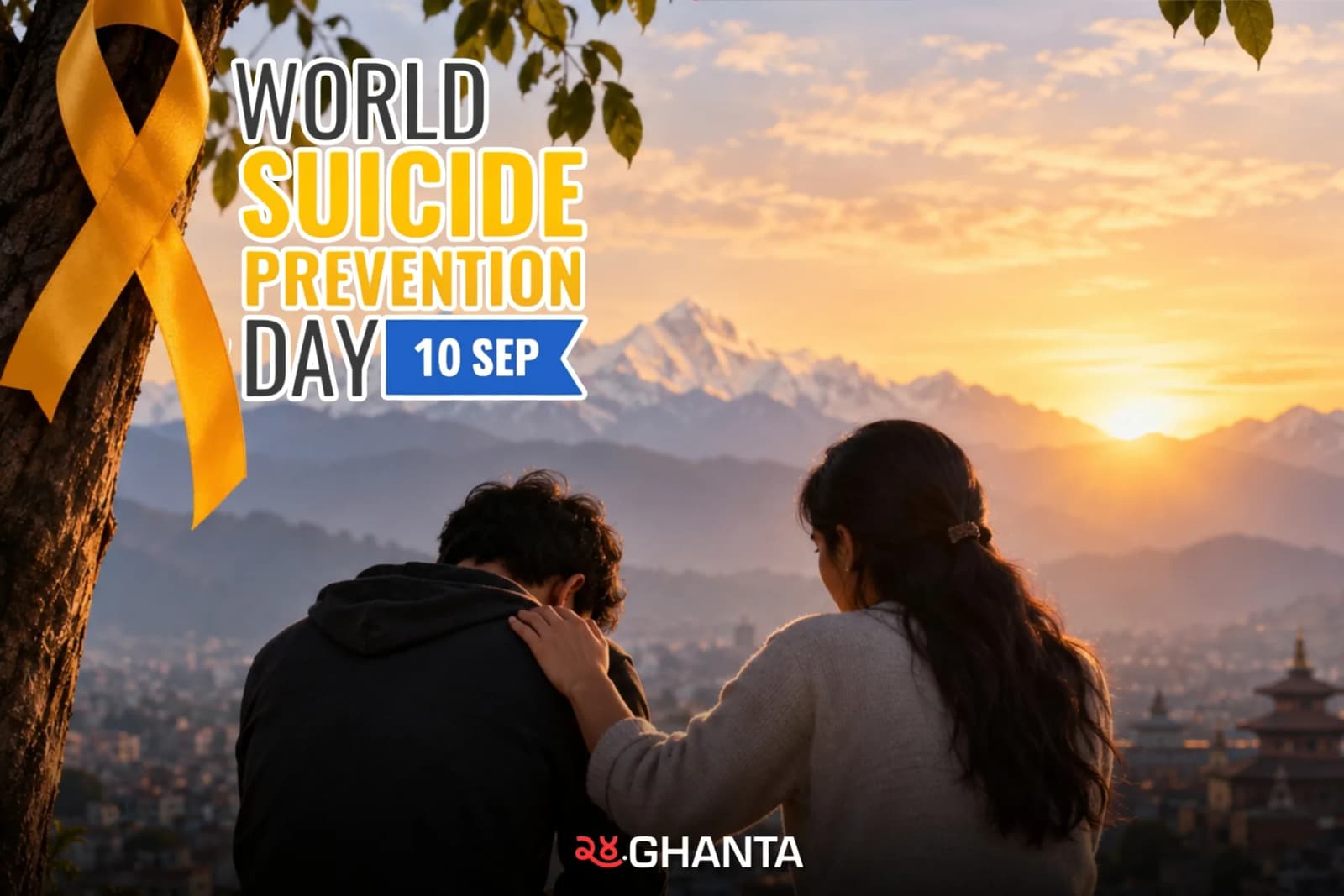
Porn Addiction in Teenagers: What Global Research Reveals, and Why Nepal's Story Is Different

Teen pornography exposure is rising in Nepal despite the country’s 2018 ban. Studies suggest more than half of Nepali adolescents and young people have viewed porn, while a smaller group show signs of problematic use. Experts and research point to early exposure, weak sexuality education, limited parent-child conversations, and growing online risks such as sextortion and image abuse.

Sep 18
Teen Porn Addiction in Nepal

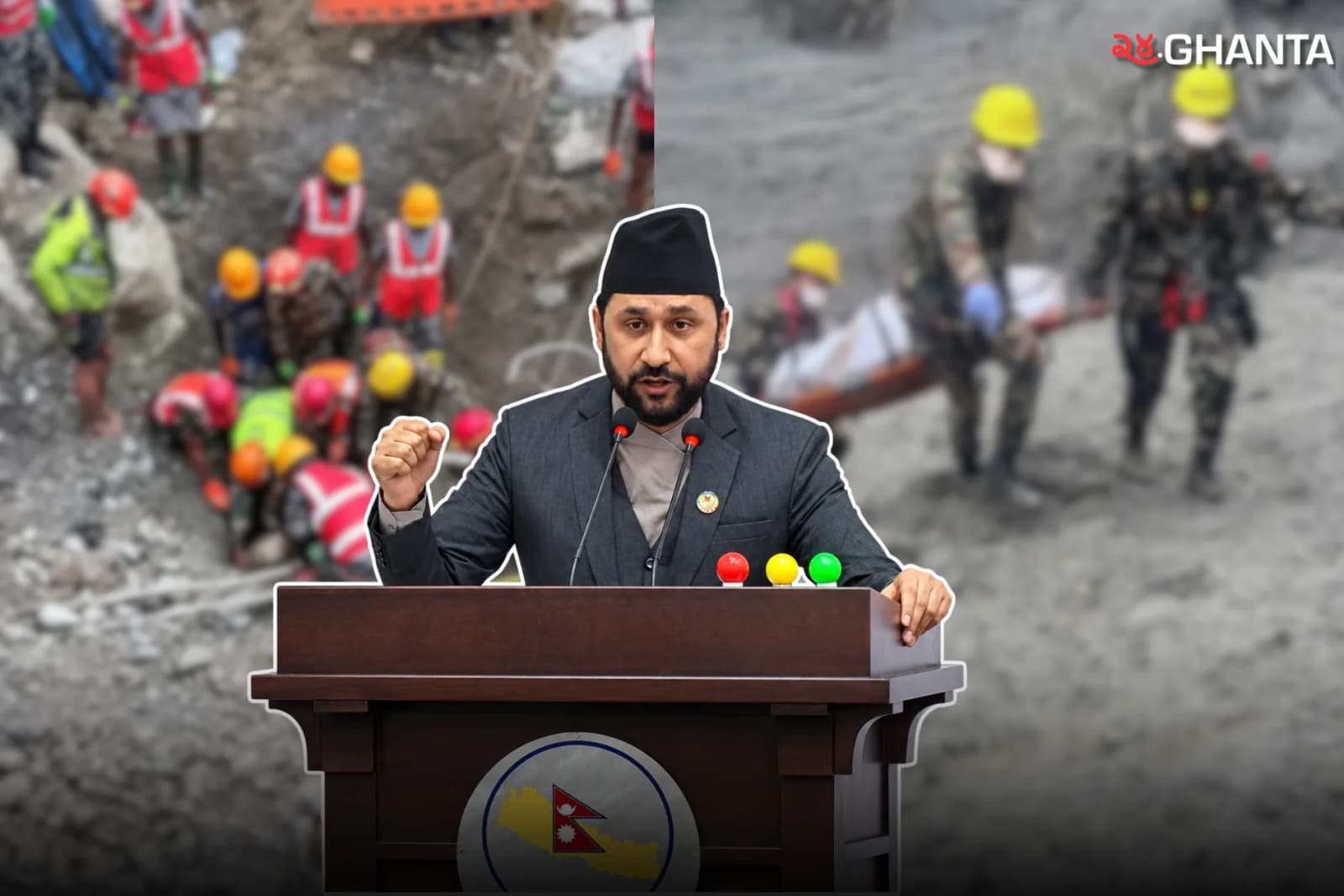
“Where Is the State?” Rabi Lamichhane Says It Is Inside the Ruins, Searching for Lives and Rebuilding People’s Trust

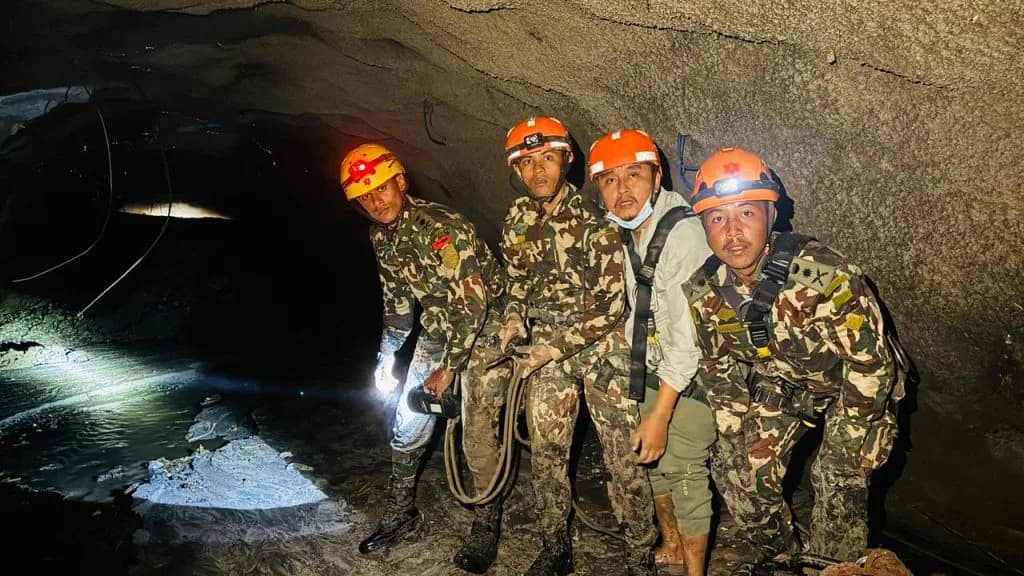
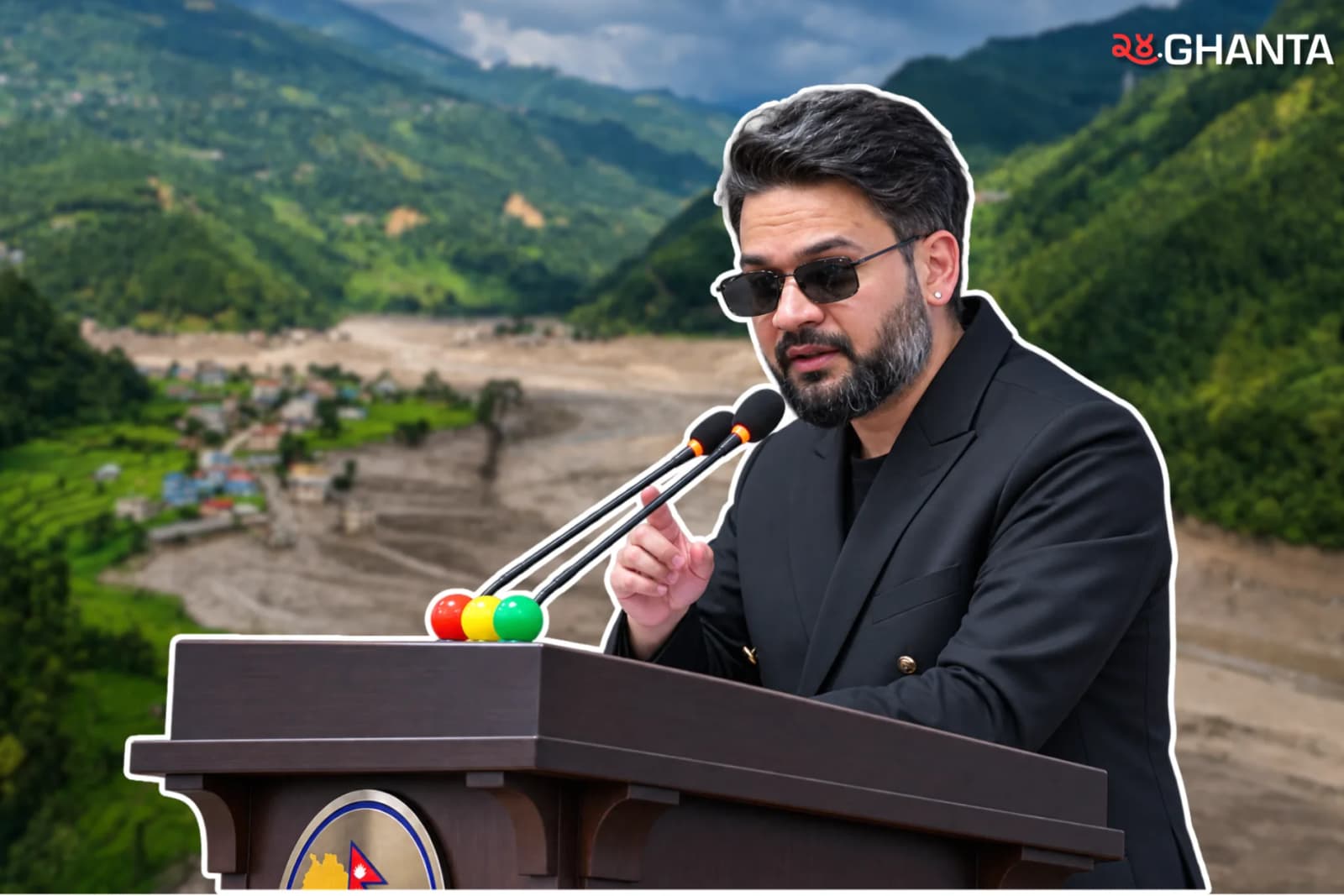
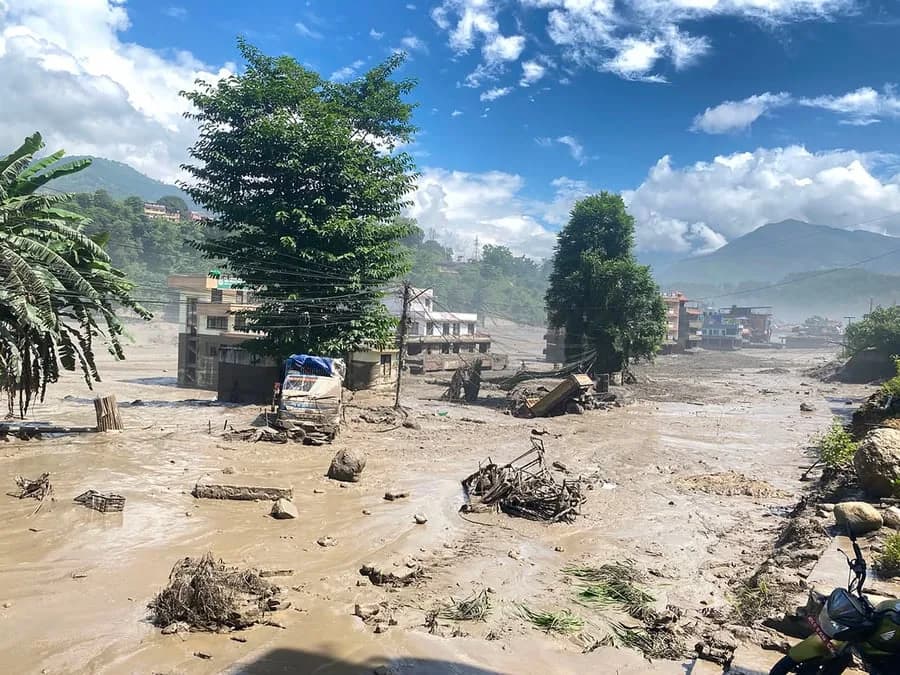
RSP Chair Rabi Lamichhane told Parliament that the strongest response to people asking “Where is the state?” is to visibly show the rescue, relief and recovery work being carried out after the devastating Bhotekoshi disaster. He said the state is searching for missing citizens in dangerous ruins and tunnels, supporting displaced families, restoring damaged infrastructure and must now rebuild public trust while preparing Nepal better for future disasters.

Sep 9
State Searches, Rescues, Rebuilds Trust

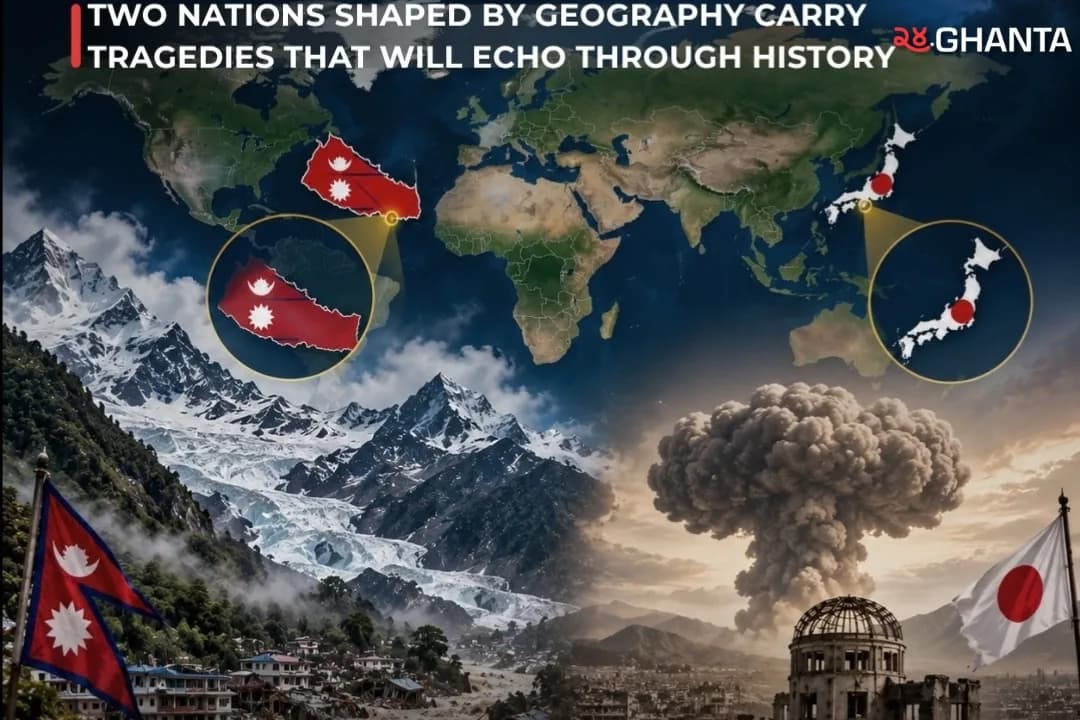
Nepal And Japan: Two Nations Shaped By Difficult Geography, Two Tragedies That Entered History

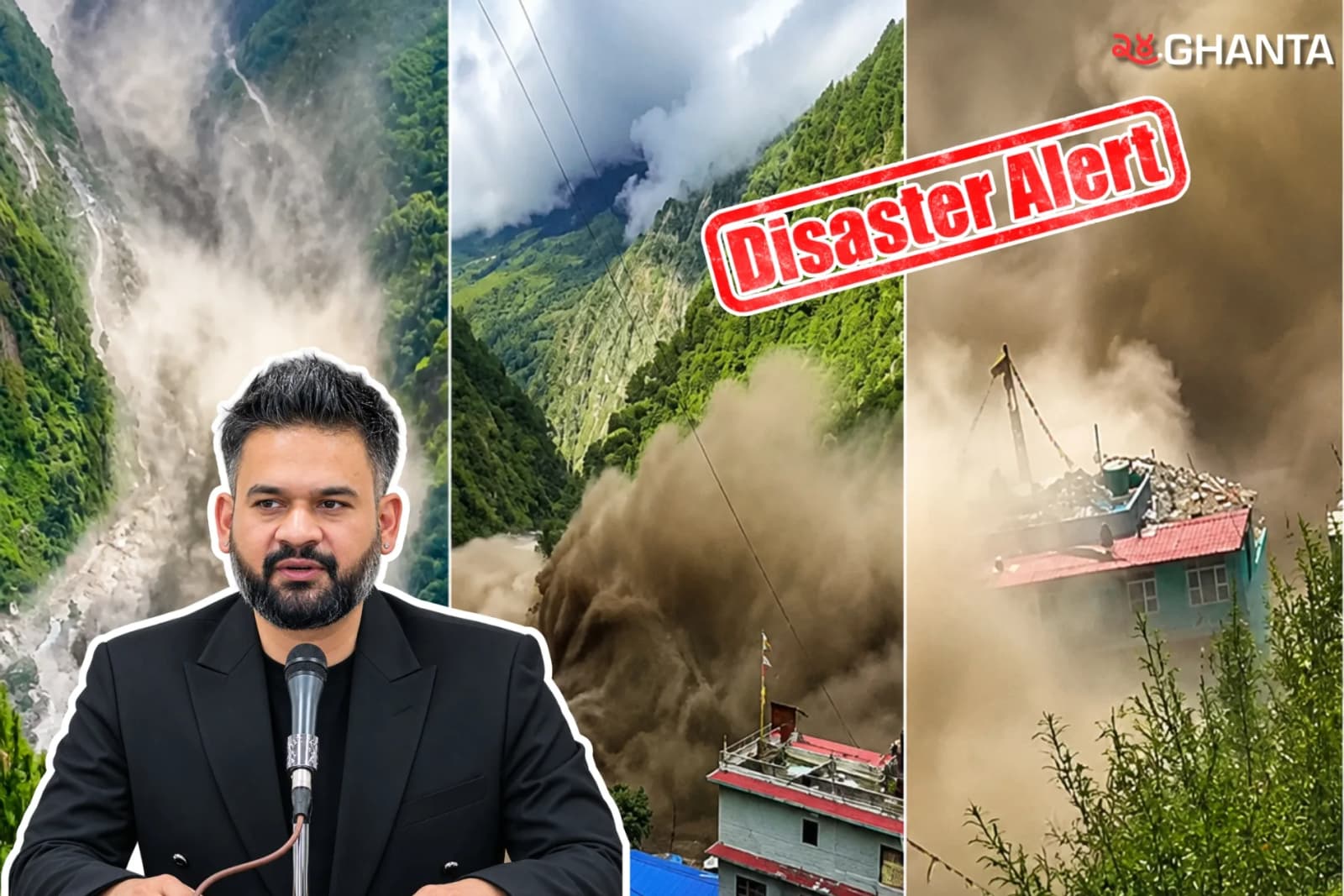
Nepal and Japan face very different but serious geographical risks. Japan is exposed to earthquakes, tsunamis and volcanoes, while Nepal faces landslides, glacial floods and extreme weather. After the August 26 Rasuwa disaster, TU expert Dr. Basanta Raj Adhikari estimated its gravitational energy exceeded that of the Hiroshima atomic bomb. The disaster has so far killed 1,357 people, with 5,326 still missing.

Sep 8
Nepal And Japan: How Geography Shaped Rasuwa And Japan’s Historic Tragedies

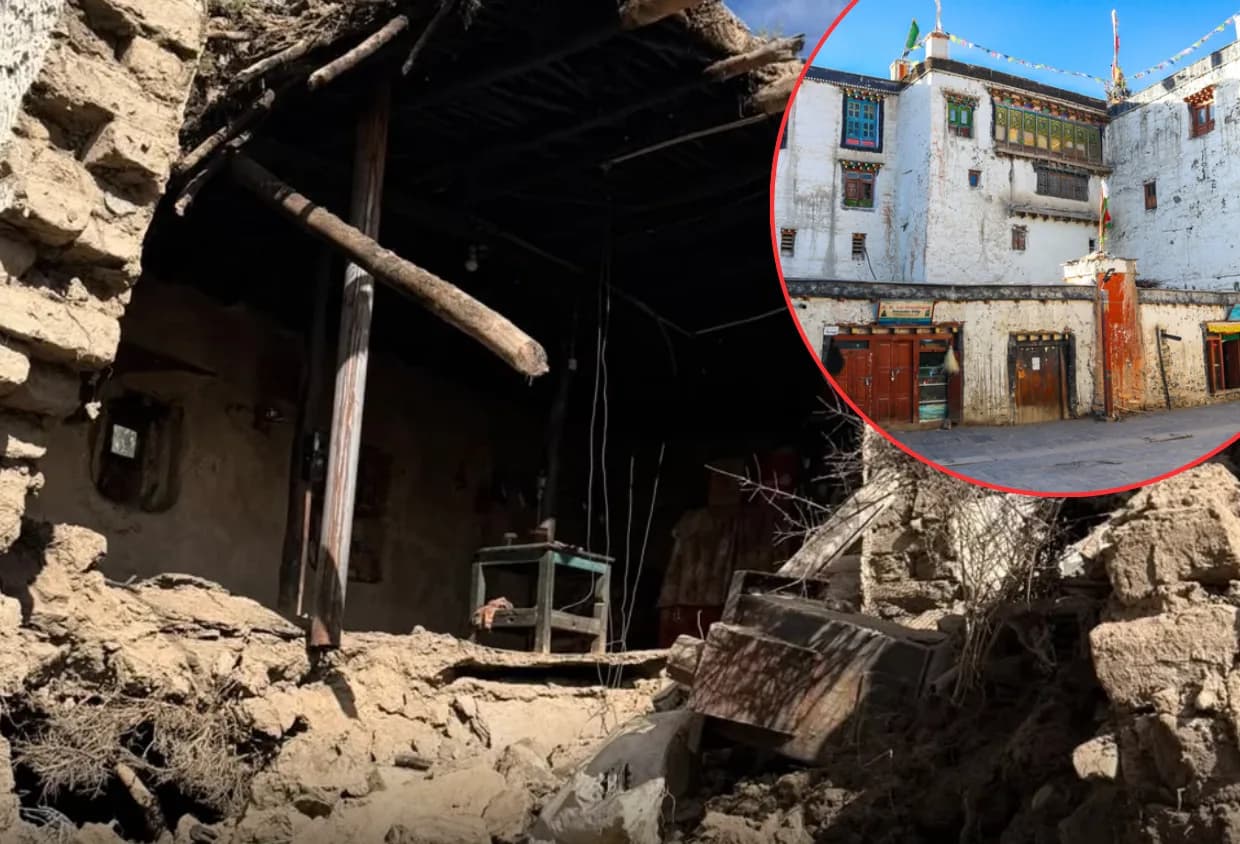
After Nepal’s Deadly Floods: How Nepali and Foreign Victims Are Identified and How Families Can Get Their Loved Ones Back

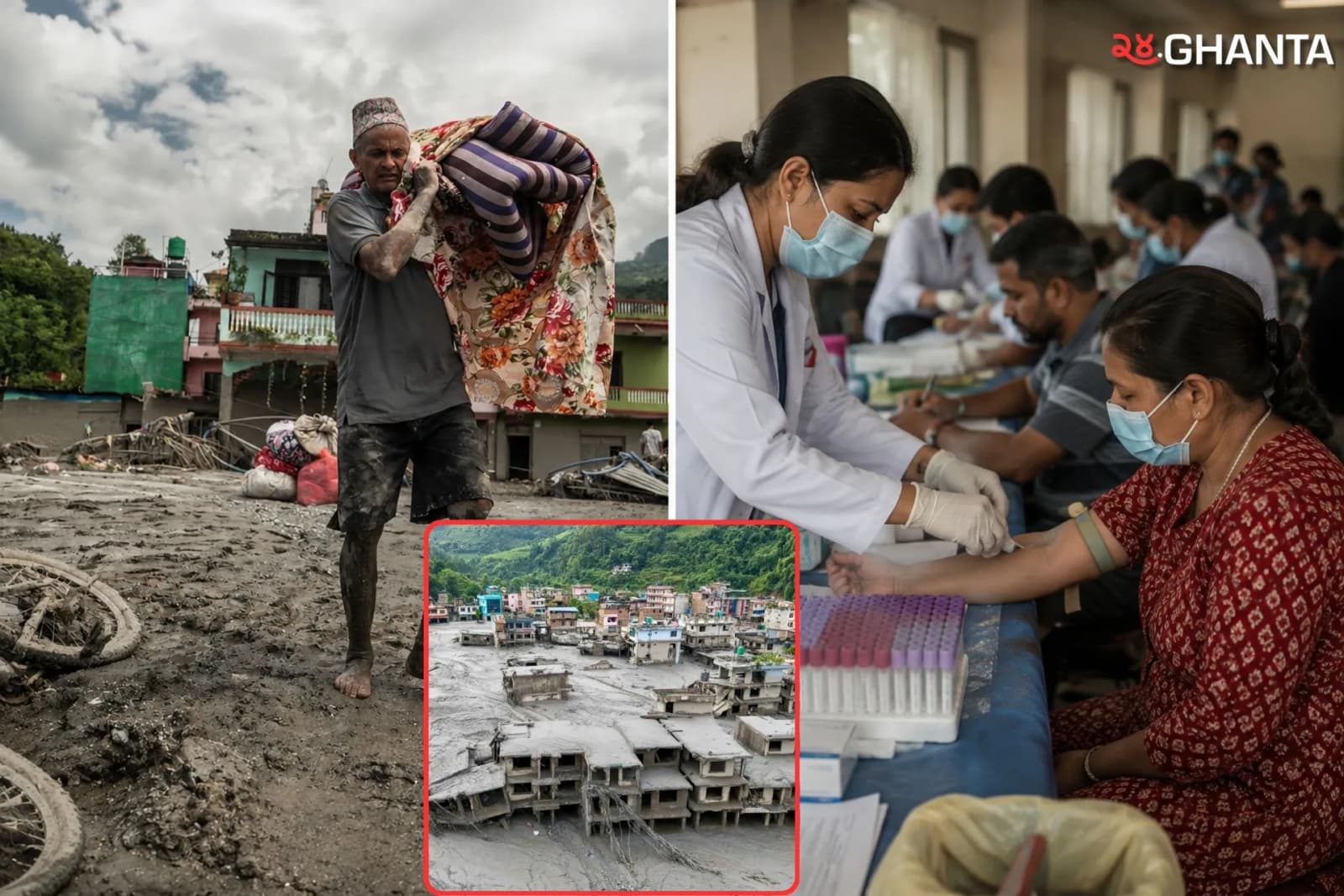
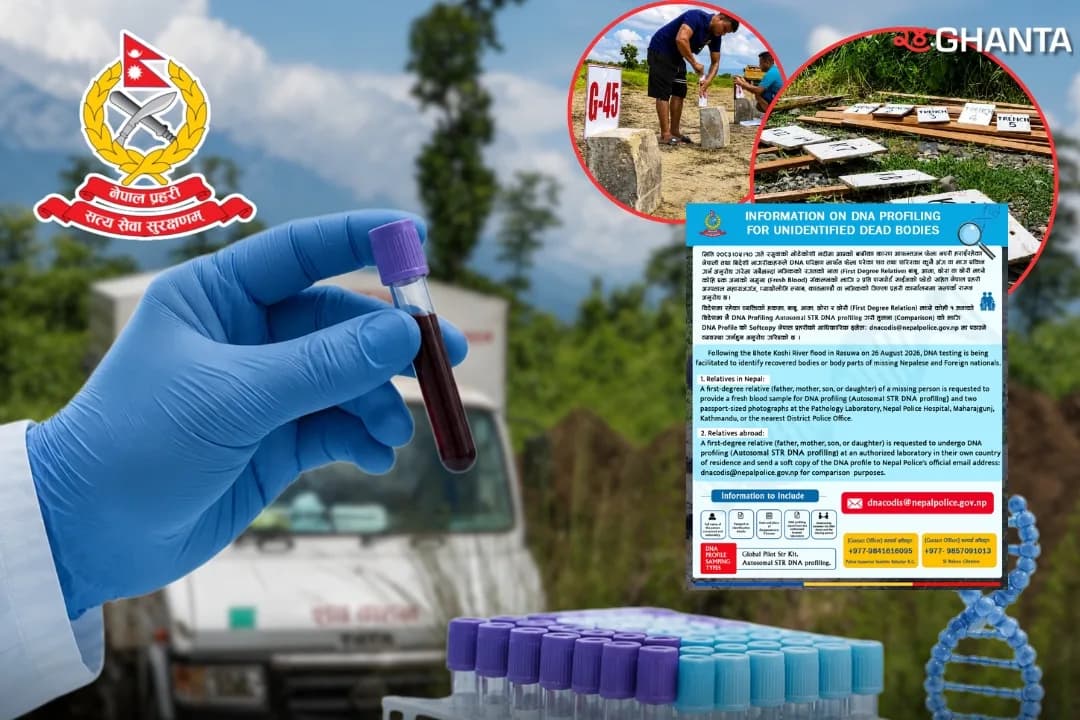
Nepali and foreign victims who cannot be recognized after the Bhote Koshi flood may still be identified through photographs, fingerprints, dental information, personal records and DNA. Even when unidentified remains are temporarily buried, documented reference numbers, forensic evidence and recorded burial locations can allow authorities to identify and return them to families later. For foreign victims, formal identification is followed by ID verification, embassy coordination and repatriation so their remains can be returned home.

Sep 3
A flood survivor walks through the devastation as families provide DNA samples to help identify missing loved ones

Seven Days After Rasuwa Flood: What Did the Government Actually Do?

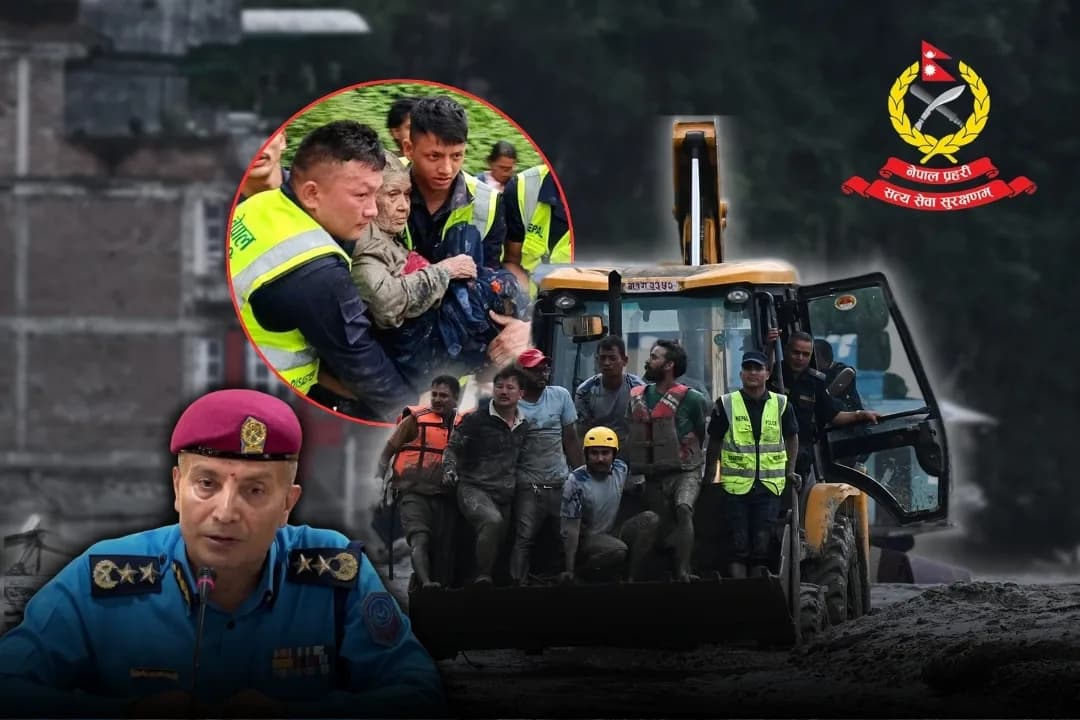
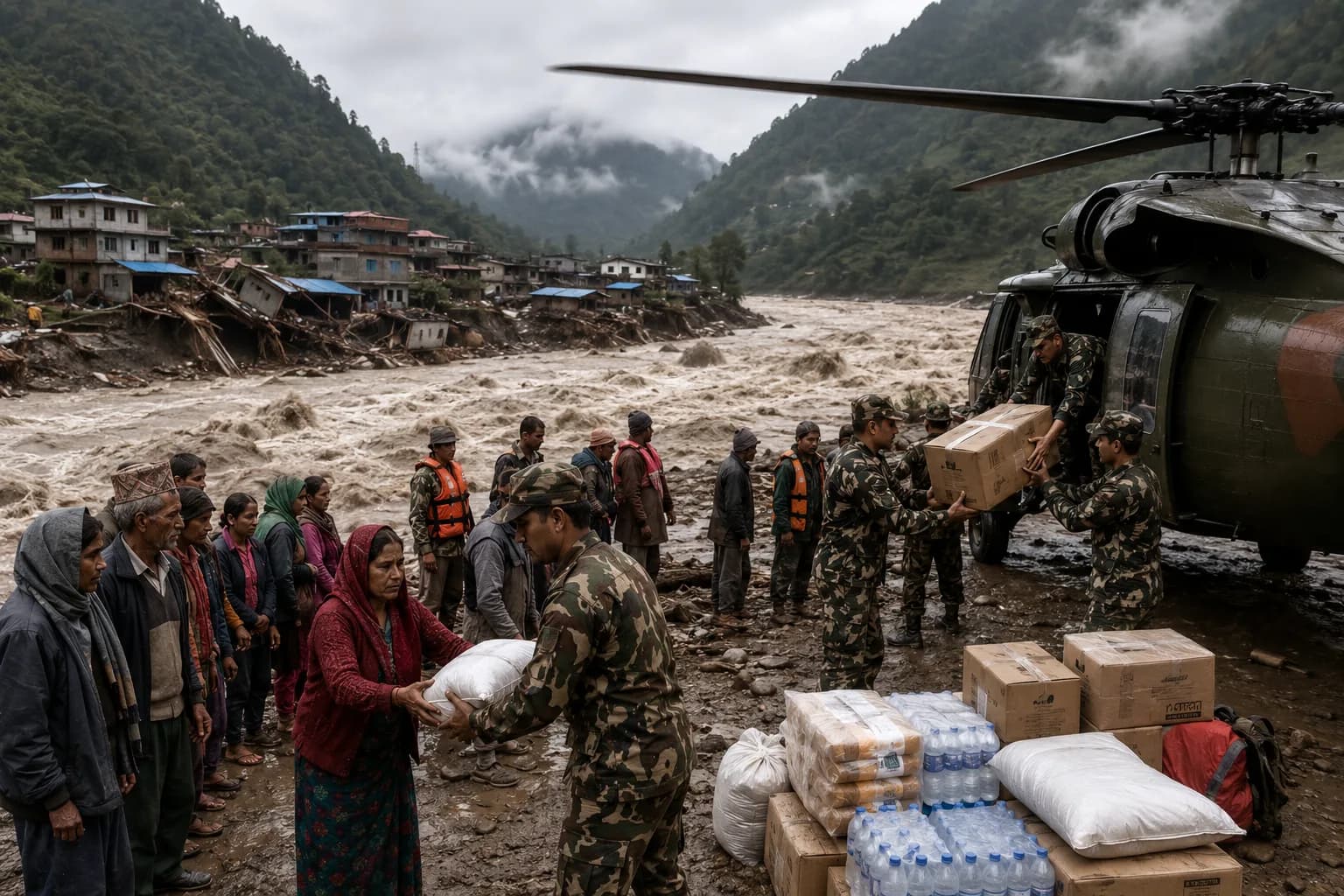
Prime Minister Balen Shah has presented Parliament with a detailed account of the government’s response following the August 26 Bhote Koshi flood, including helicopter rescues, free treatment, relief funding, evacuation, road restoration and emergency coordination. The government also allocated additional disaster funds, declared affected local levels crisis zones for three months and continued coordinating with provincial, local and international partners as rescue and recovery operations continued.

Sep 2
Rescue, Relief, Recovery After Rasuwa

Why Are Nepal’s Unidentified Flood Victims Being Buried, And Can Families Get Them Back?

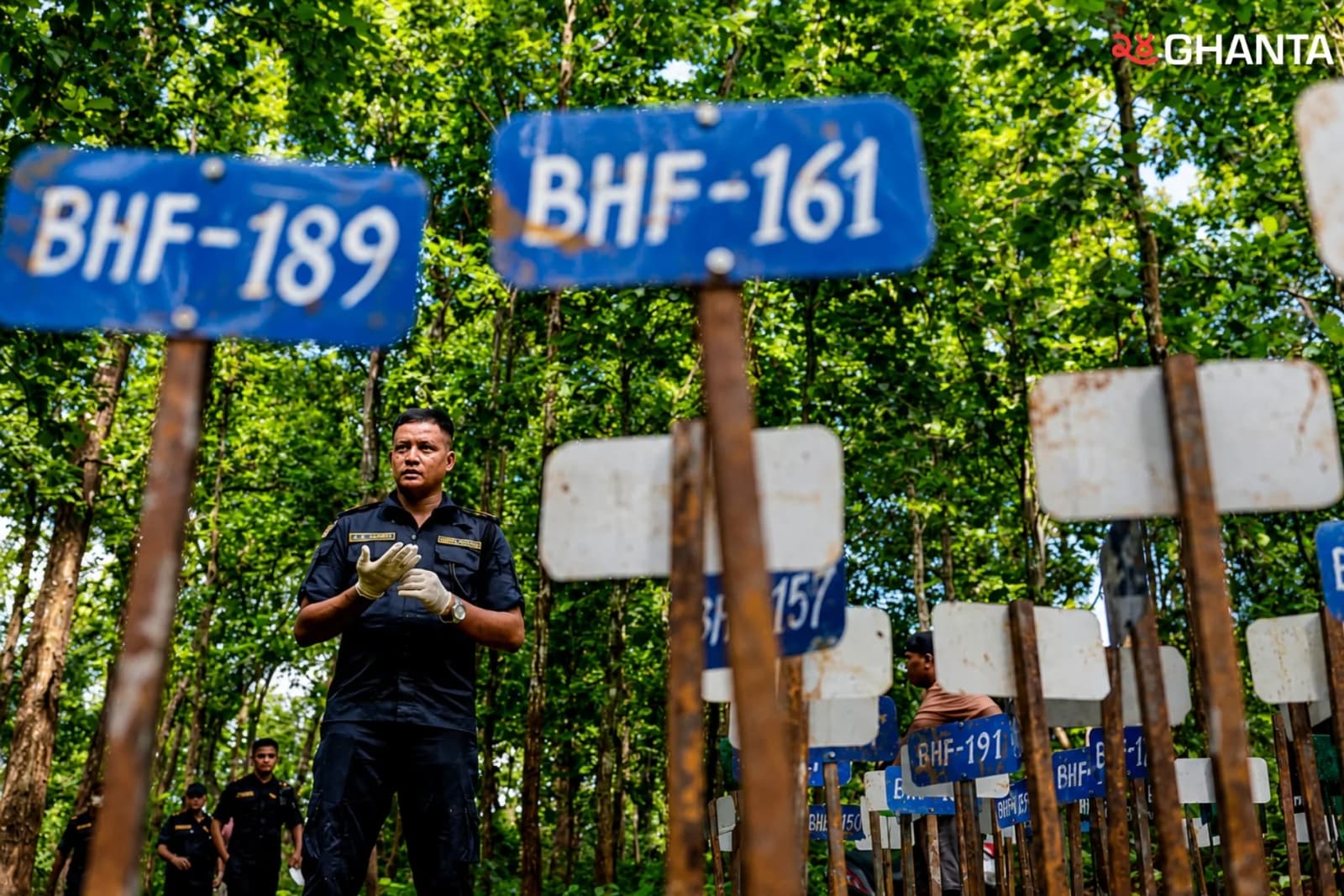
Unidentified victims recovered after the devastating Bhotekoshi flood are being temporarily buried after forensic evidence is collected because many bodies are rapidly decomposing and available mortuary space cannot accommodate the extraordinary number of remains. Each victim is documented through DNA and other identifying information, assigned a unique number, and placed at a recorded burial location so the remains can later be exhumed and returned to the family if their identity is established.

Sep 1
Buried Now, Identifiable Years Later

Rasuwa Flood: 165 Bodies Recovered, 826 Still Missing As Search Enters Second Day

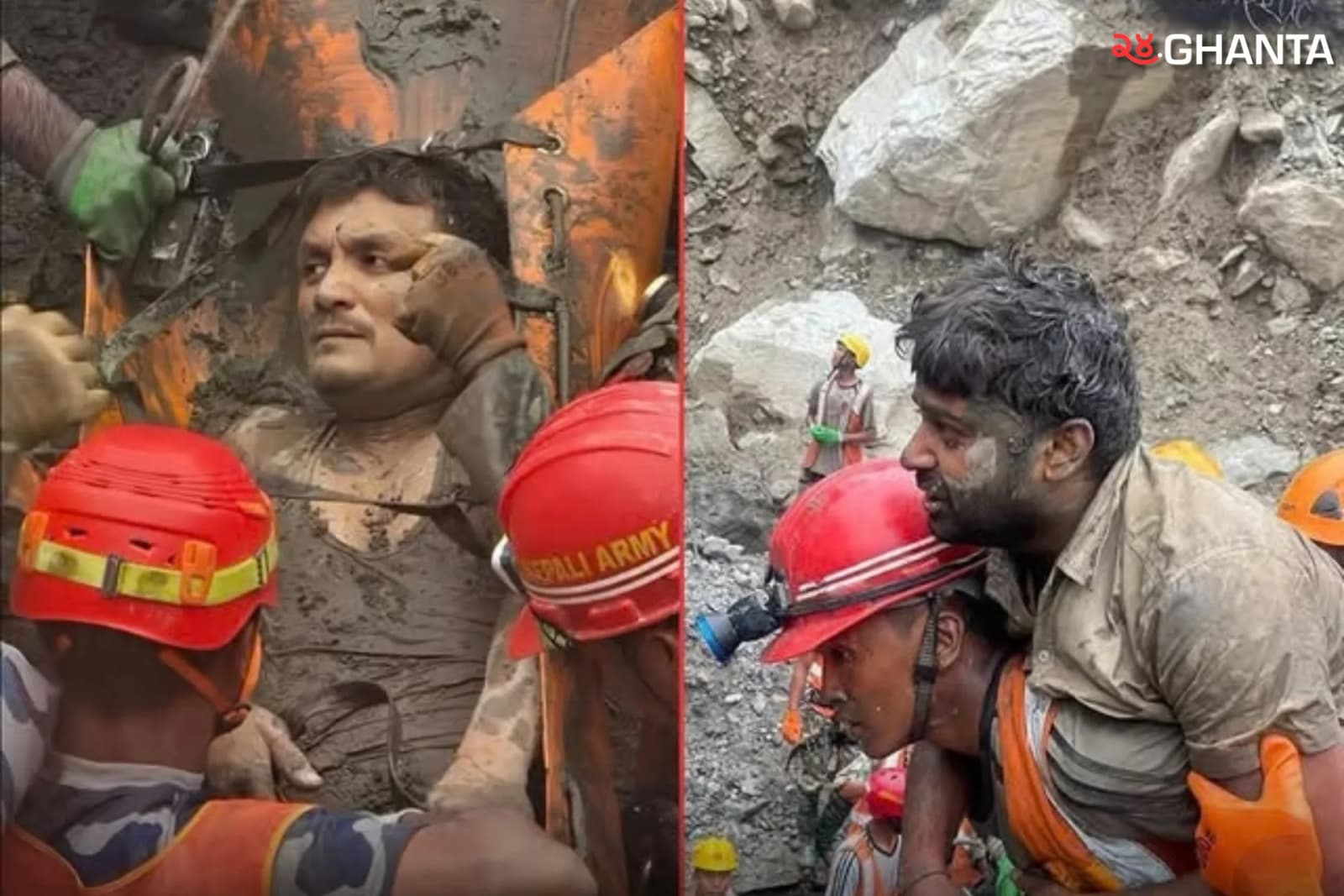
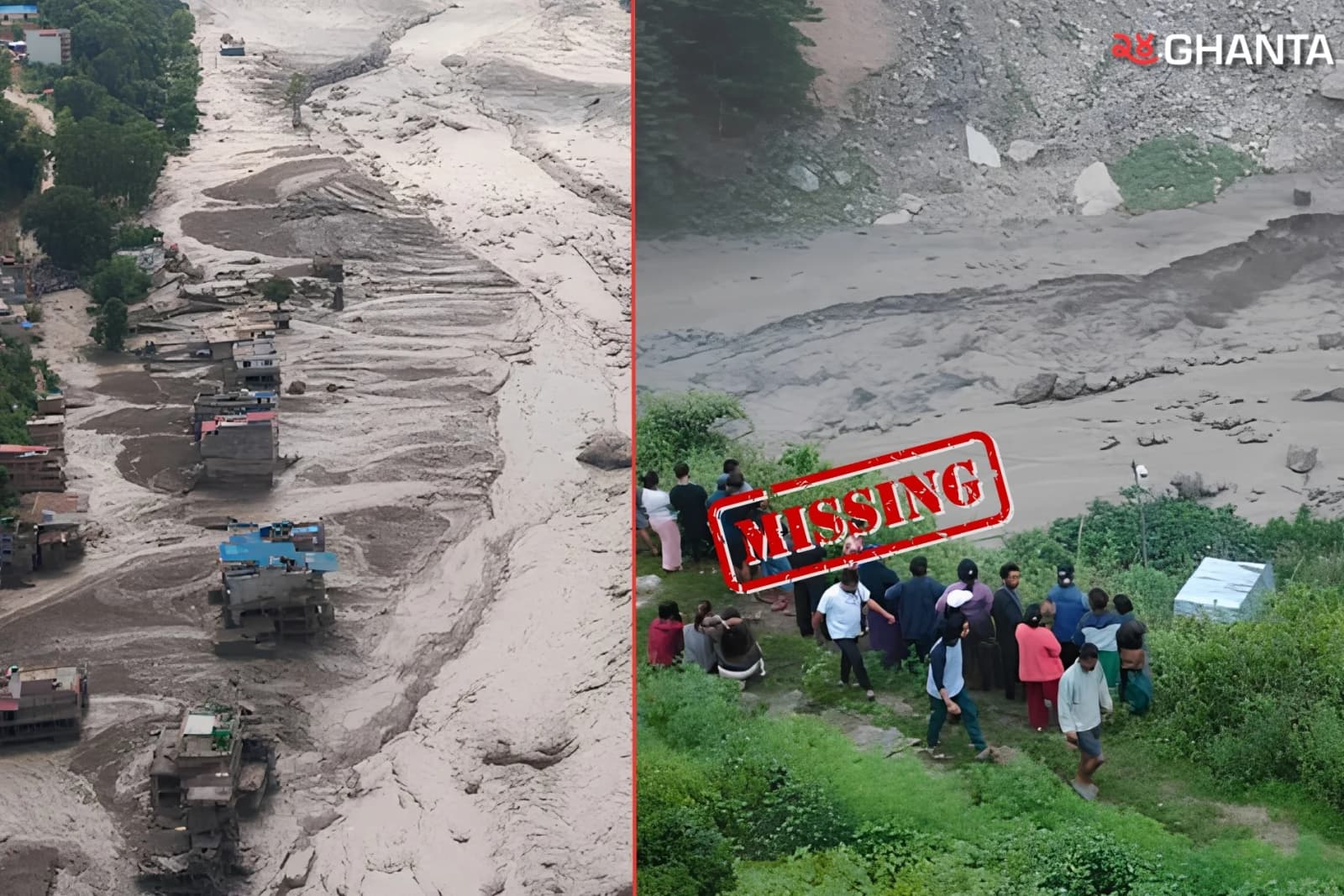
Nepal's Rasuwa flood disaster has left 165 bodies recovered and 826 people missing as of around 8:15 AM Thursday, including 85 security personnel and 579 tourists, while 104 people have been rescued. Search operations continue across the Bhotekoshi-Trishuli-Narayani corridor as authorities work to locate the missing and scientists investigate a major glacial collapse and debris flow believed to have triggered the disaster.

Aug 27

165 Dead, 826 Still Missing

Garima Case Widens as Ninth Person Taken Into Custody

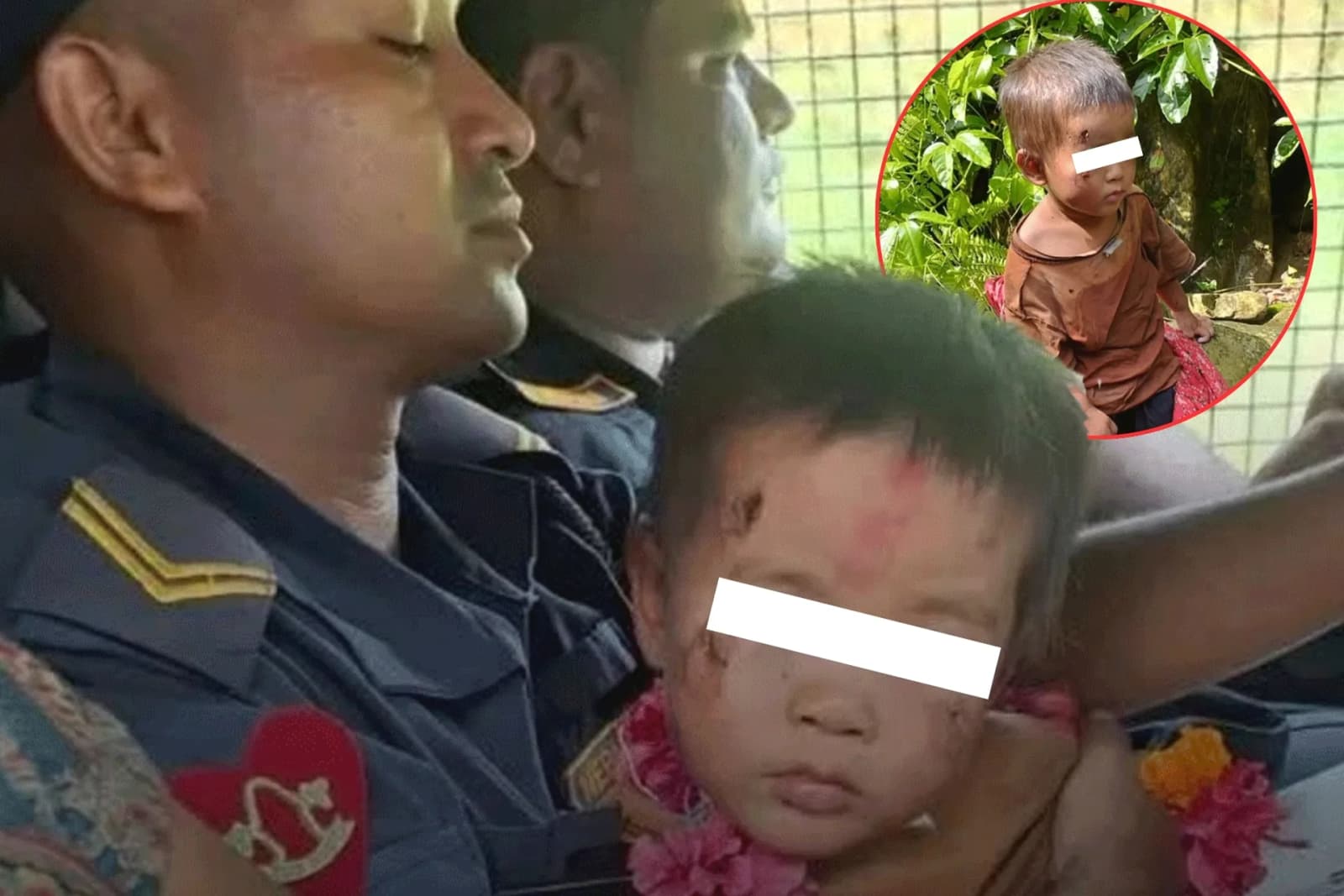
Police have taken student Pradip Khadka of Jitpur-Simara into custody as the investigation into the alleged rape and murder of three-year-old Garima Chaudhary continues in Bara. According to DSP Min Bahadur Ghale, nine people are now in custody, while investigators continue examining the possible involvement of each individual.

Aug 24
Nine Held As Investigation Widens

Why Nepal Has No Death Penalty

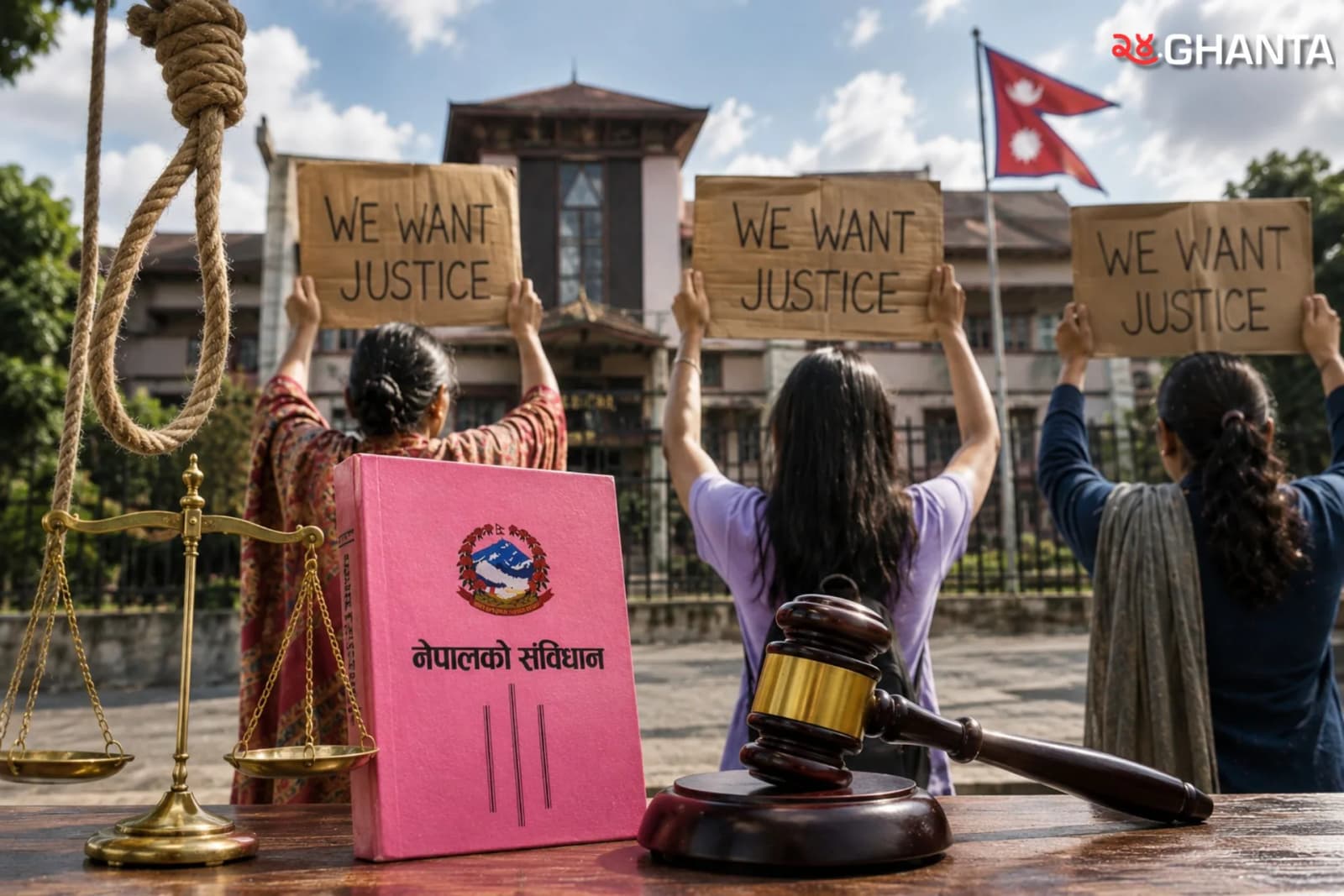
Nepal cannot simply introduce the death penalty because Article 16(2) of the Constitution prohibits capital punishment. Nepal is also bound by the Second Optional Protocol to the ICCPR, which commits the country to abolition. However, Nepal can still pursue stronger laws, better investigations, victim protection, prevention, and greater accountability within its legal framework.

Aug 24
Citizens demanding justice while the Constitution, legal system, and death penalty debate stand at the center of the national conversation.

Nepal Police Seeks Call Interception Power, Raising Fresh Privacy Concerns

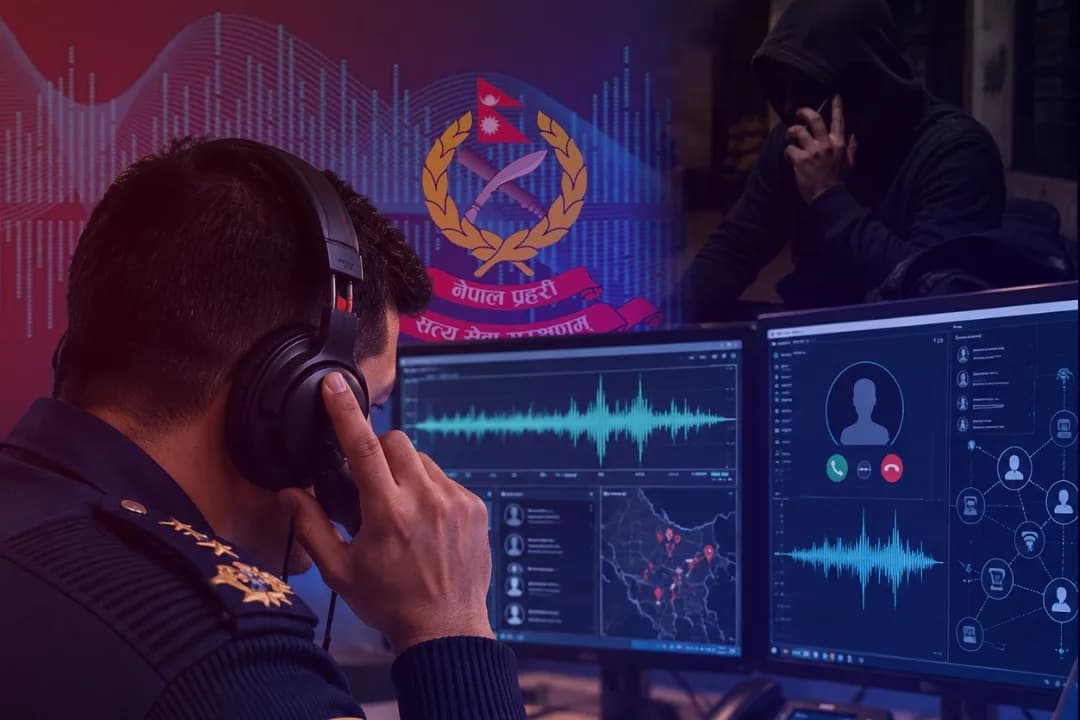
Nepal Police has requested legal powers to intercept telephone calls and digital communications in real time during serious criminal investigations. While police argue the move is necessary to fight technology-based crimes, lawyers and rights advocates warn that such powers could threaten citizens’ constitutional right to privacy without strong safeguards.

Aug 12
Nepal Police Wants Power To Tap Calls

Fake Love, Real Loss: Kaski Woman Loses Rs 3.1 Million (रु 31 Lakh) in Romance Scam

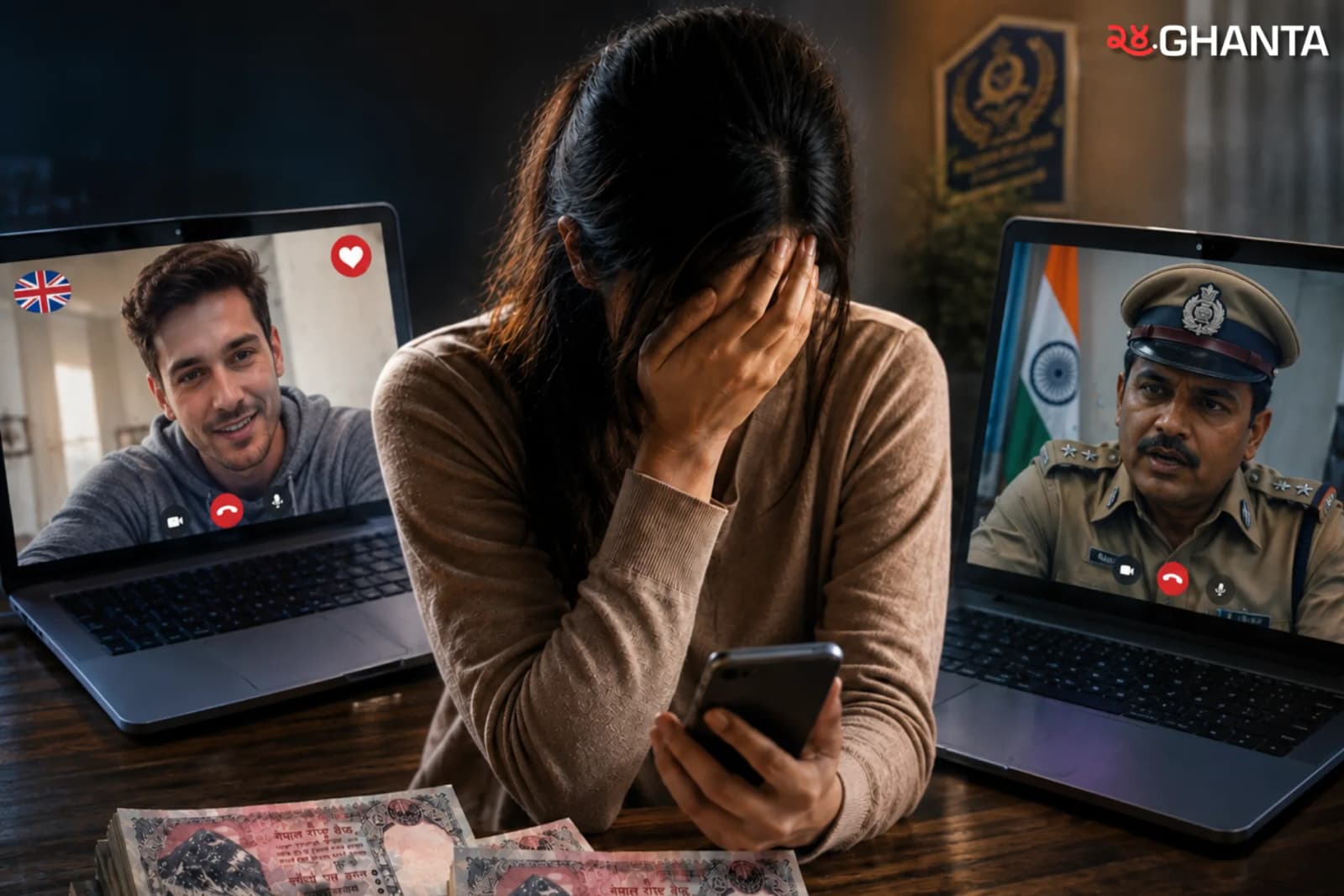
A woman in Kaski reportedly lost Rs 3.1 million (रु 31 lakh) after an online relationship that began on Facebook developed into an elaborate scam involving a supposed wealthy British man and callers posing as Indian police. Police say the case highlights how online fraudsters increasingly exploit emotions, trust and fear alongside techniques such as fake identities, OTP theft and fraudulent foreign opportunities.

Aug 10
Online Romance Scam Costs Millions

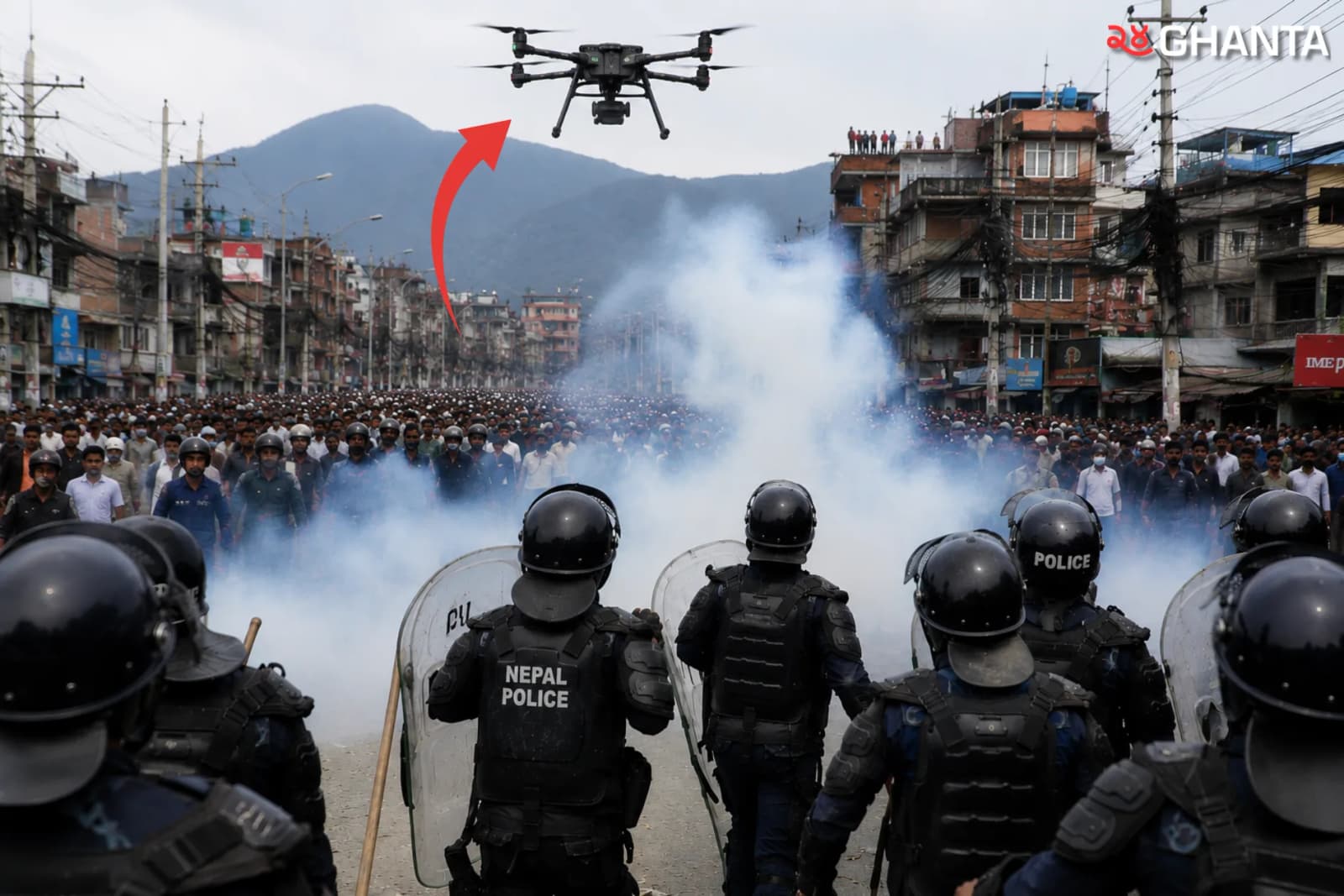
From Bullets to Drones: Nepal Plans a New Way to Control Crowds

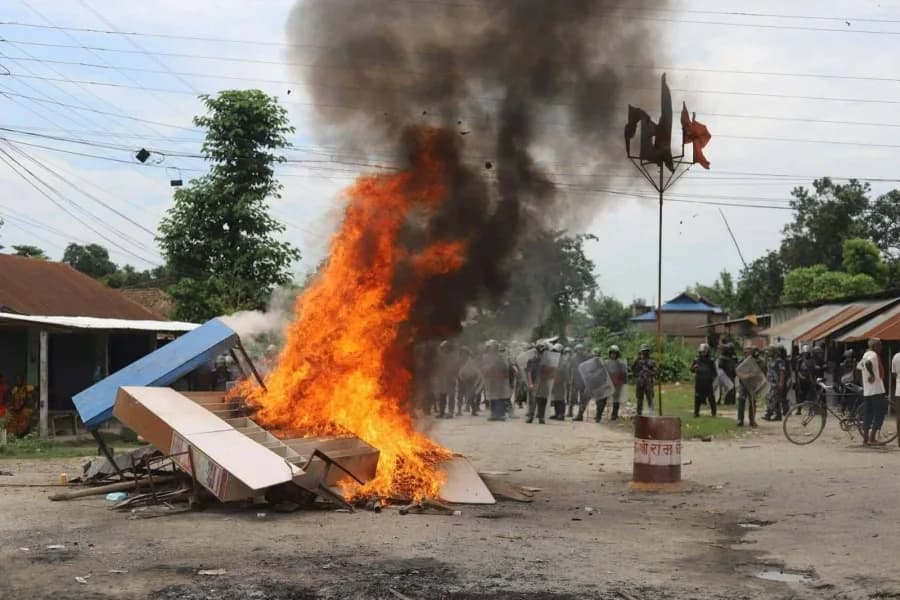
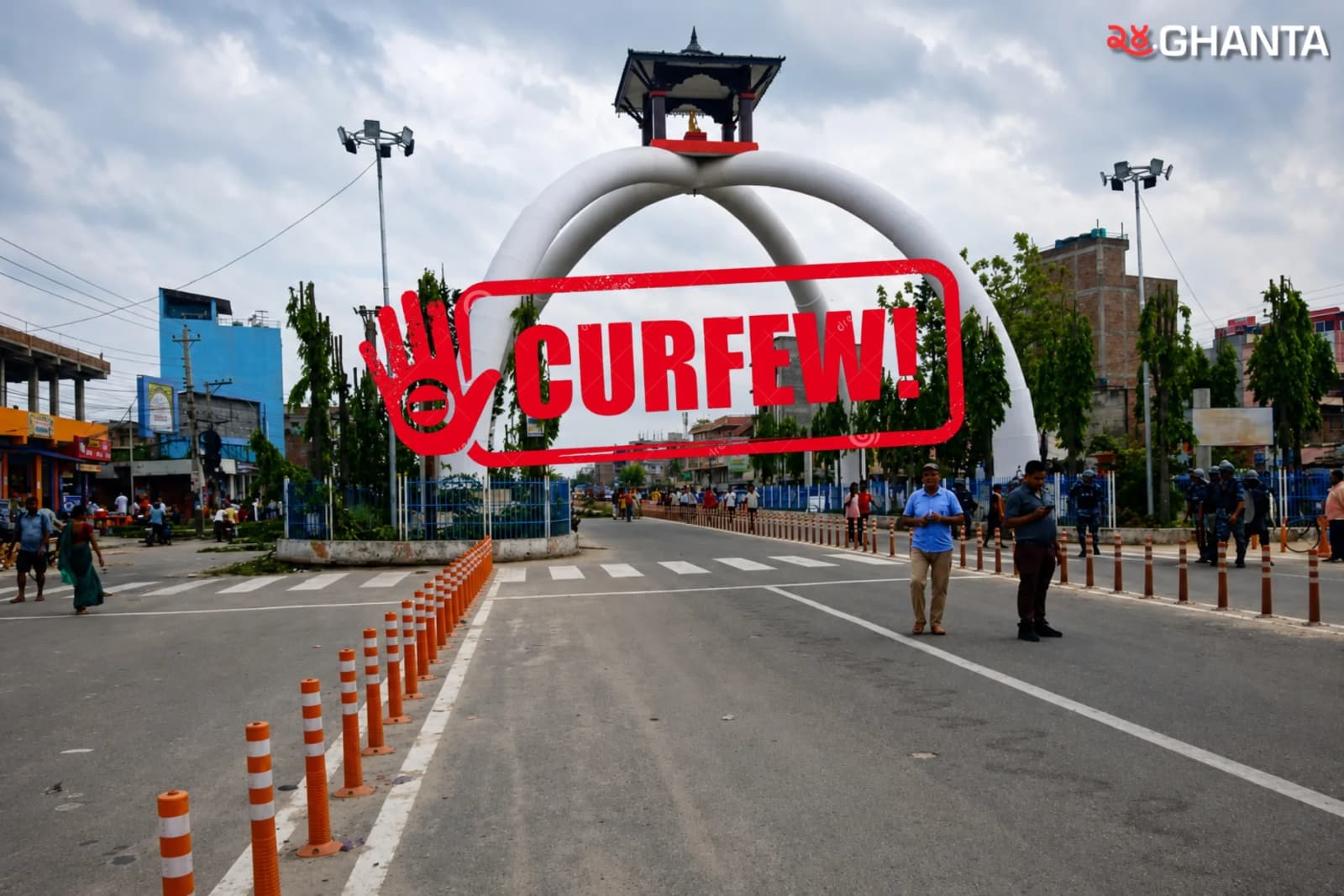
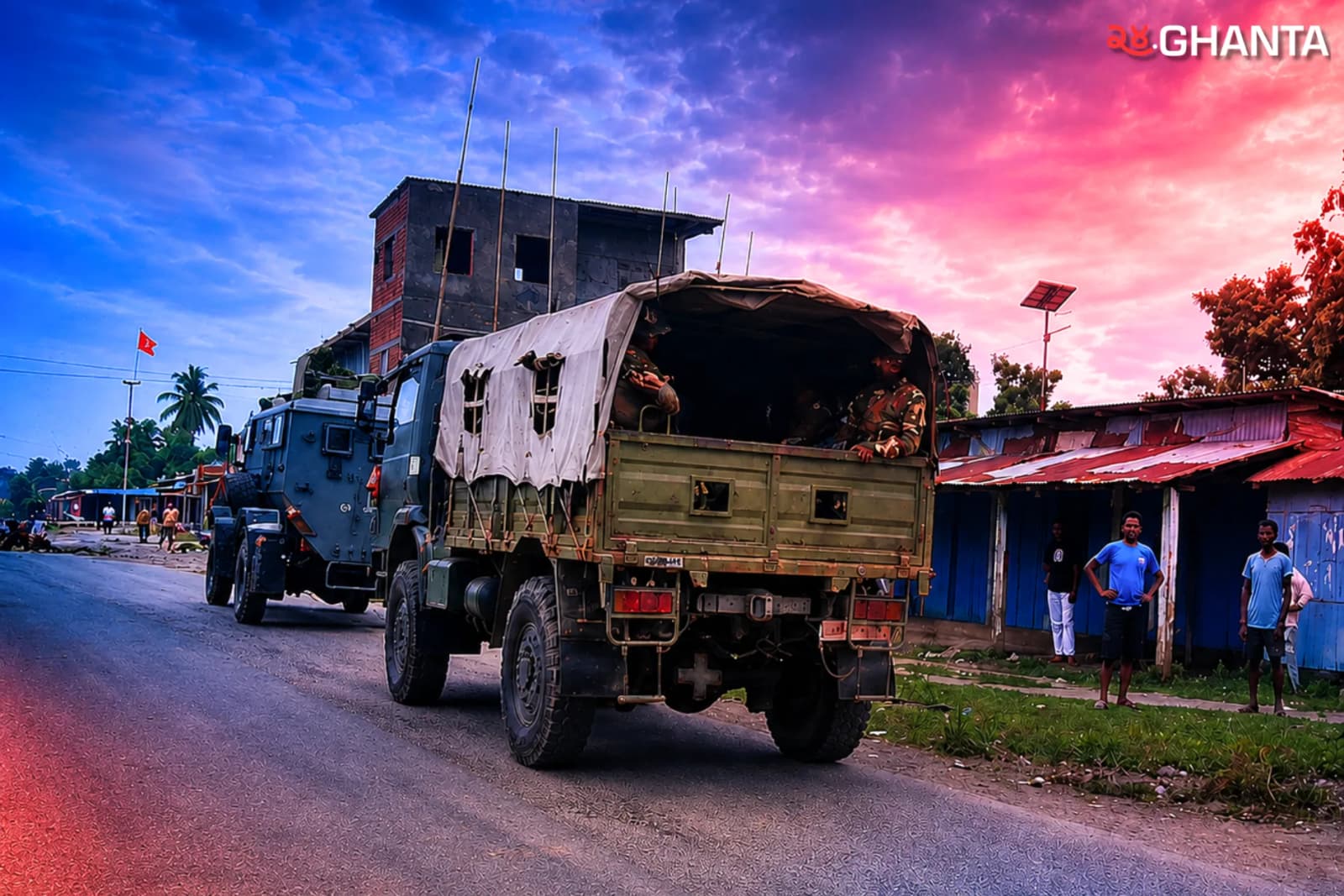
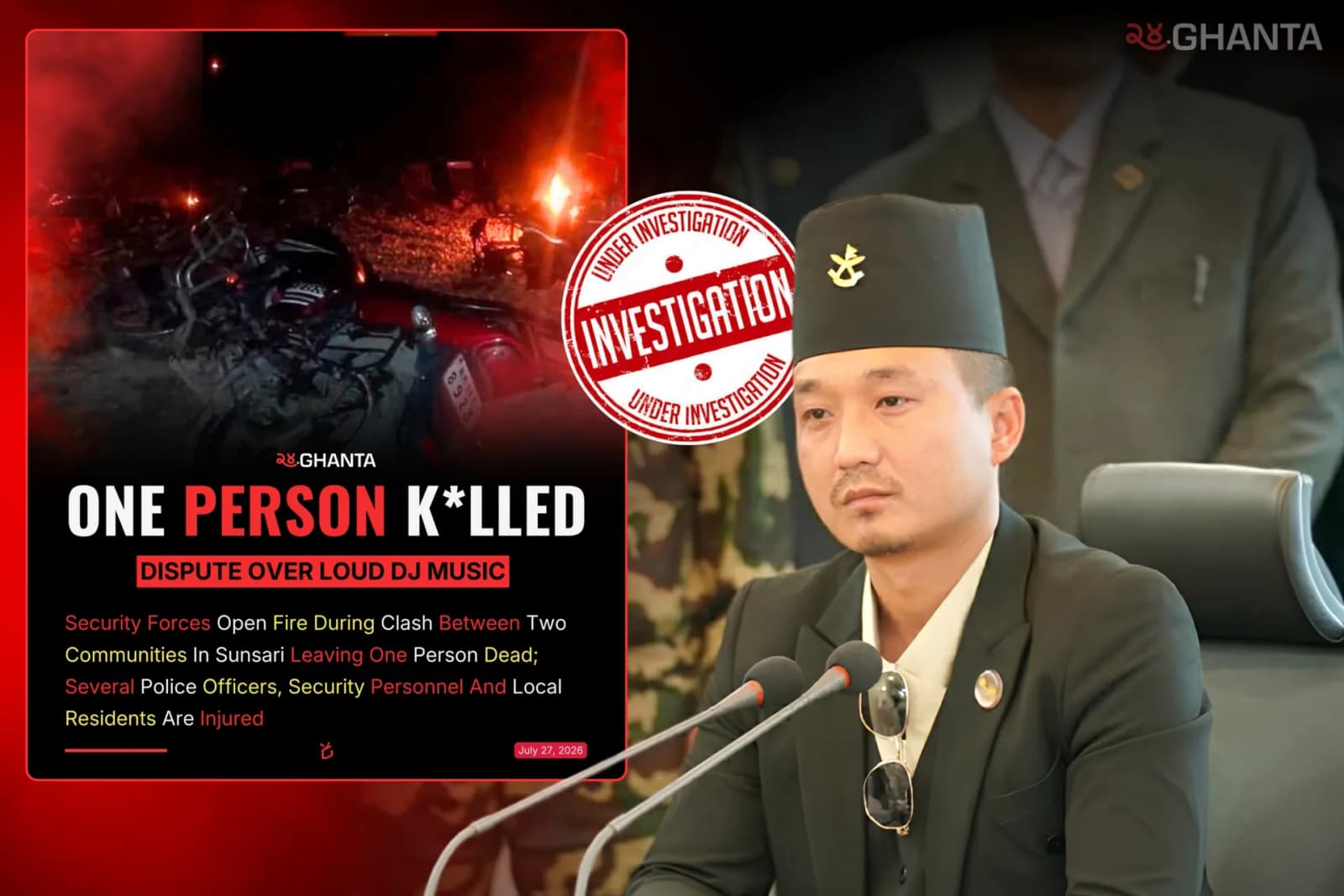
Nepal is preparing to purchase drone-supported and other non-lethal crowd-control equipment after four people were killed by police gunfire during recent tensions involving communities in Koshi and Madhesh provinces. Home Minister Sudhan Gurung says the planned system could use drones for tear-gas deployment, surveillance and public announcements, while command centres monitor developing situations and authorities strengthen barricades to reduce risks to people and critical infrastructure.

Aug 9
Nepal Plans Drone Crowd Control

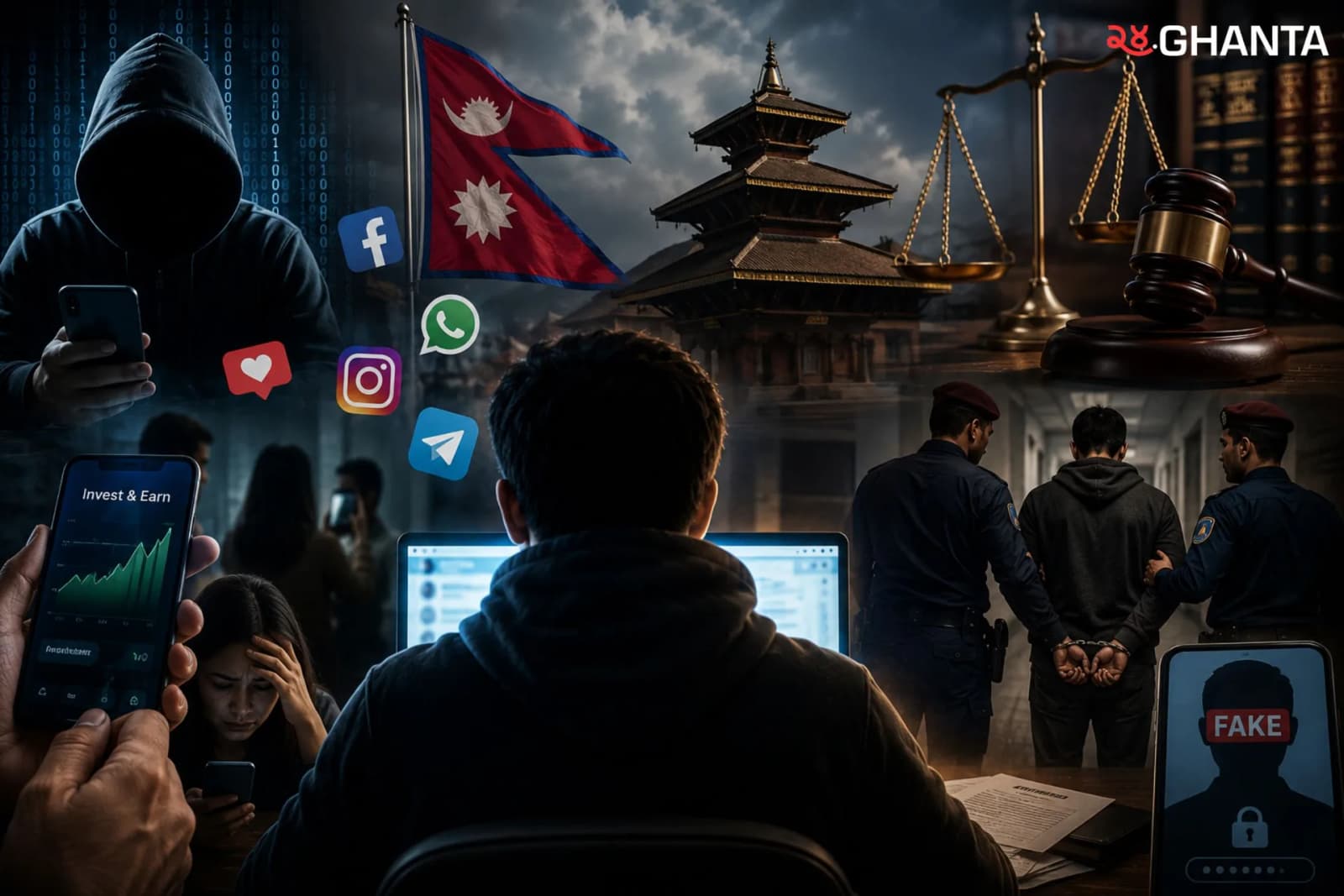
Nepal’s Cybercrime and Social Media Laws: Tested Against Real Cases

As social media becomes a bigger part of everyday life, Nepal faces the challenge of protecting free expression while addressing cybercrime. This article examines how laws on hacking, online fraud, defamation, and privacy are applied through real cases and what they mean for ordinary internet users.

Jul 31
The image shows how social media misuse, online scams, privacy violations, and hacking can lead to police investigations and legal consequences in Nepal